orangecounty@worldaffairscouncil.org

worldaffairs

The Great Pharaoh of China and the Struggle to Let the Uyghur People Go

Picture this: it’s 2:30 a.m.  You, your spouse, children, and newly adopted dog are sound asleep.  Out of nowhere, you’re awoken by the sound and the fury of banging at your door.  Doorbells don’t exist yet because it’s 1939.  You only speak Polish, and four men dressed in military fatigues brandishing SS insignia who only speak German scream at you, barge into your home and forcefully relocate you to what appears to be a prison.  You’re forced into a shower room with 100 other men, the tinge of a noxious smell hits your olfactory perception, and that is the last thing you ever feel.  What did you do wrong, you wonder in your last moments.  It turns out it was nothing more than the mezuzah on your door frame that gave you away.  Sound familiar?  This is what happened to over 6 million Jews during the Holocaust between 1939-45.

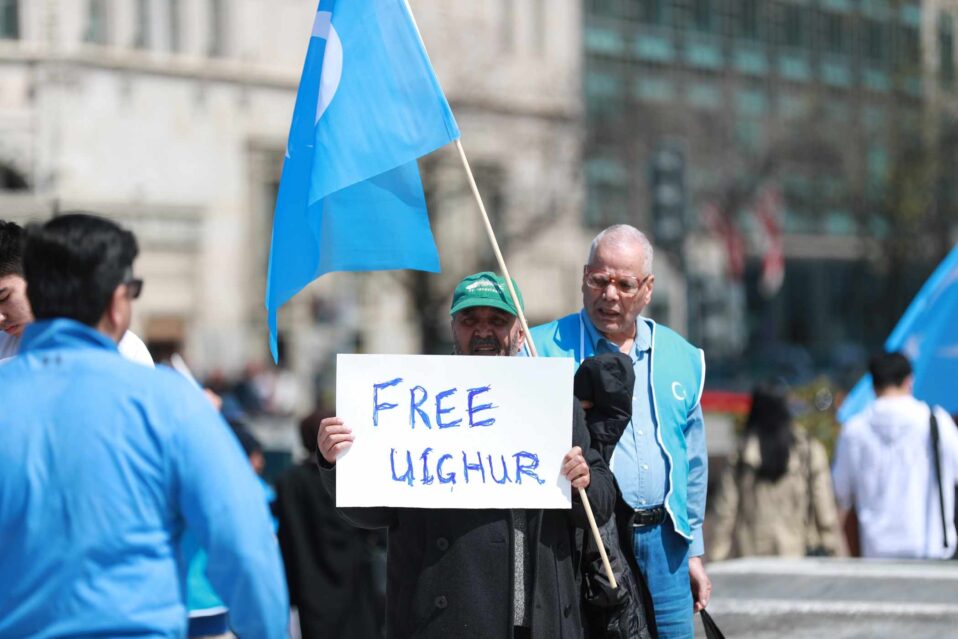
Close to a century later, a similar scenario is playing out in a largely unknown part of the world to a largely unknown group of people.  Who are the Uyghurs, you may wonder.  They are a minority Sunni Muslim group of Turkic origin totaling a global population of 11-12 million, primarily living in Xinjiang, China.  Xinjiang is the most Northwestern province of China known for its austere environment and, contemporarily, the location of modern-day debatable genocide.  But to understand what’s happening in Xinjiang, we must go back about 70 years.

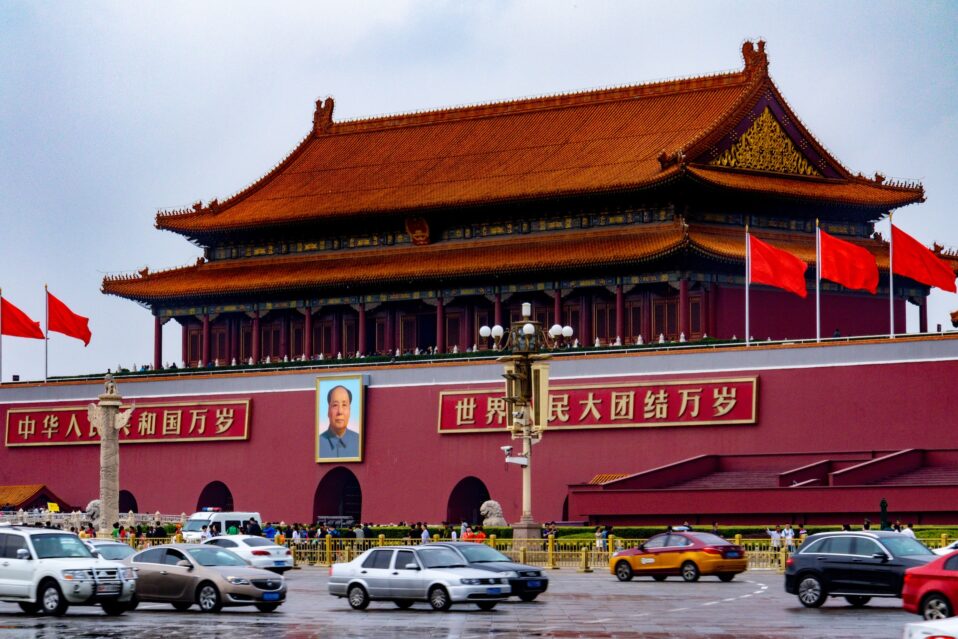
After the defeat of the Kuomintang by Mao Zedong and the establishment of the Chinese Communist Party in 1949, the People’s Republic of China was established.  However, the “People” in the title can be a little misleading.  According to recent data, Statista shows that 89.43% of China is Han Chinese, with the remaining number being minority groups.  Moreover, World Population Review estimates the current Chinese population is 1.425 billion people.  This amounts to the Uyghur people accounting for only .772% of the Chinese population.  

This means that the “People” in the People’s Republic of China belong to the Han Chinese people, with all outsiders being seen as a nuisance, burden, and unnecessary, much like the Jews in Nazi Germany.  In the early 90s, with more and more Han Chinese settling in Xinjiang, a historically inhabited land by the Uyghurs, this naturally led to civil strife.  Elizabeth Economy, a senior fellow at Stanford, details how the situation reached a boiling point in the 21st century.  Beginning in the late 2000s, numerous terrorist attacks, mass killings, riots, and protests erupted in Xinjiang, resulting in the deaths of large numbers of Han Chinese.  In 2014, China, under the leadership of Xi Jinping, the supreme despot of China, launched his “Strike Hard Campaign Against Violent Terrorism,” essentially turning Xinjiang into a police state ruled by a Gestapo-like group of what Mao would have labeled the Red Guards.  Under this anti-terrorism campaign, many traditional Muslim traditions, including praying, were outlawed.  Contemporaneously, the Xi regime began building large numbers of concentration camp-like facilities in Xinjiang and started imprisoning large numbers of minority Uyghurs.

China acknowledges the presence of these camps yet labels them “reeducation” camps aimed at reforming would-be terrorists into model Communists.  According to numerous sources ranging from scholars Lindsay Maizland, writer for the Council on Foreign Relations, IGOs and NGOs, to include major institutions such as the UN and Amnesty International, and prominent journalists, including Philip Wen and Olzhas Auyezov of Reuters, one thing is for sure: A genocide is brewing in Xinjiang, China.  According to all the previously mentioned sources, it is estimated that between 800,00 to 2,000,000 Uyghur people have been illegally imprisoned in the 385 detention facilities currently located in Xinjiang.  Within the confines of these detention facilities, it has been reported that brutalities such as torture, forced sterilization, forced labor, and forced indoctrination into Chinese Communist ideology are commonplace,.  The most challenging part, however, is proving it.  Like George Orwell’s 1984, Xinjiang is one of the most Big Brother-like, heavily policed regions in the world.  Xinjiang is also extremely austere, situated in a highly isolated and landlocked region of Asia largely inaccessible to the media.  Moreover, China has severe restrictions on freedom of the press and access to social media and the internet, making it nearly impossible for local people to report the truth.

What is occurring in Xinjiang today parallels almost perfectly with what occurred in 1932 in Germany, with the death of Von Hindenburg and the rise of The Third Reich and Adolf Hitler.  After the Great Depression, Adolf Hitler made great strides in recovering from the Depression through significant infrastructure projects (such as the Autobahn) and rebuilding the Wehrmacht (the German military).  This came at the cost of seeking a scapegoat onto which to project society’s woes, in the former case, the Jews.  Once Germany maintained its hegemonic status in continental Europe, it simply attempted to rid society of the scapegoat.  Today, with the rise of the People’s Republic of China like a Phoenix from the ashes and the supreme leadership of Xi Jinping as the ultimate leader of the Chinese Communist Party, China too has its scapegoat onto which to cast its Mein Kampf-like ideologies.  According to the Lowy Institute Asia Power Index, China ranks second in the world in comprehensive power and first globally in economic relationships and diplomatic influence.  In simpler terms, China, with its global political influence, economic strength, and military prowess, will sooner rather than later reach and even overtake the U.S.’s hegemony on the world stage.  Once this occurs, and China is given carte blanche to do anything that it feels.  Through simple historical precedent, the Uyghur people will become yet another statistic in the Guinness World Record Genocide Fact Book.

Resolving this conflict diplomatically is the equivalent of asking Adolf Hitler, Idi Amin, Pol Pot, or Jefferson Davis to stop being mean to your minority populations.  A hyper-extreme conservative state like China does not tolerate activists like Martin Luther King Jr or Gandhi.  Individuals like them have no voice or ability to petition a draconian communist government with a redress of grievances.  Additionally, nation-states with a dominant ethnic population and no significant obstacles preventing them from acting in an anti-social fashion toward minorities tend to engage in the universal art of ethnic cleansing.  Saddam did it with the Kurds, the Ottomans with the Armenians, and even the pioneers with Native Americans.

The most realistic option to stymie an impending genocide could be to use whatever IGO, NGO, and Western political influence are left to attempt to relocate the Uyghur people to an ethnically similar, sovereign territory to China’s Northwest.  Xinjiang lies on the border with Kazakhstan, Kyrgyzstan, and Tajikistan (all three being former parts of the Soviet Union, Sunni Muslim, and of Turkic and Persian ethnic origin).  According to the CIA World Fact Book, 69.6% of Kazakhstan is ethnically Kazakhy (a Turkic ethnic group) and 70.2% Sunni Muslim.  Kyrgyzstan is 73.8% Kyrg (a Turkic ethnic group) and 90% Sunni Muslim.  And Tajikistan is 84.3% Tajik (a Persian ethnic group) and 95% Sunni Muslim.  The assisted relocation of the Uyghurs would produce what, in science, is called a symbiotic effect.  Symbiotic because it would mutually benefit both sides of the conflict.  China would benefit by ridding a clearly unwanted ethnic group from its territory and preventing the continuation of ethnic Han and Uyghur clashes in Xinjiang.  Conversely, the Uyghur people are saved from impending doom by relocating and inhabiting more friendly lands.  

If this (pragmatically realistic) plan were to come to fruition, it would be one of the largest assisted mass migrations in history.  Let us only hope that a 21st-century Muslim Moses exists that can help foster such an arduous undertaking and entreat China’s Pharaoh Ramses Jinping to let his people go.

Andrey Volfson is a MS candidate at Northeastern University in the Global Studies & International Relations program. 

References:

Britannica, T. Editors of Encyclopaedia (2023, May 30). Uyghur. Encyclopedia Britannica. https://www.britannica.com/topic/Uyghur

 China: CCP members by ethnic group 2021. Statista. (2022, July 1). https://www.statista.com/statistics/249994/number-of-chinese-communist-party-ethnic-minority-group-members-in-china/ 

China Population 2023. China population 2023 (live). (2023). https://worldpopulationreview.com/countries/china-population 

Economy, E. (2022). The world according to China. Polity. 

 Maizland, L. (2022, September 22). China’s repression of

Uyghurs in Xinjiang. Council on Foreign Relations. https://www.cfr.org/backgrounder/china-xinjiang-uyghurs-muslims-repression-genocide-human-rights#:~:text=Most%20of%20the%20people%20who,sterilizations%2C%20among%20other%20rights%20abuses

Map – Australian strategic policy institute. The Xinjiang Data Project. (2021). https://xjdp.aspi.org.au/map/ 

BBC. (2022, May 24). Who are the Uyghurs and why is China being accused of genocide?. BBC News. https://www.bbc.com/news/world-asia-china-22278037 

Maizland, L. (2022, September 22). China’s repression of Uyghurs in Xinjiang. Council on Foreign Relations. https://www.cfr.org/backgrounder/china-xinjiang-uyghurs-muslims-repression-genocide-human-rights 

Wen, P., & Auyezov, O. (2018, November 27). Tracking China’s Muslim Gulag. Reuters. https://www.reuters.com/investigates/special-report/muslims-camps-china/ 

Central Intelligence Agency. (2023, June 15). Kazakhstan. Central Intelligence Agency. https://www.cia.gov/the-world-factbook/countries/kazakhstan/#people-and-society 

Central Intelligence Agency. (2023b, June 20). Kyrgyzstan. Central Intelligence Agency. https://www.cia.gov/the-world-factbook/countries/kyrgyzstan/#people-and-society 

Central Intelligence Agency. (2023c, June 20). Tajikistan. Central Intelligence Agency. https://www.cia.gov/the-world-factbook/countries/tajikistan/#people-and-society 
Read more

The Paradox of Poverty and Wealth in Africa

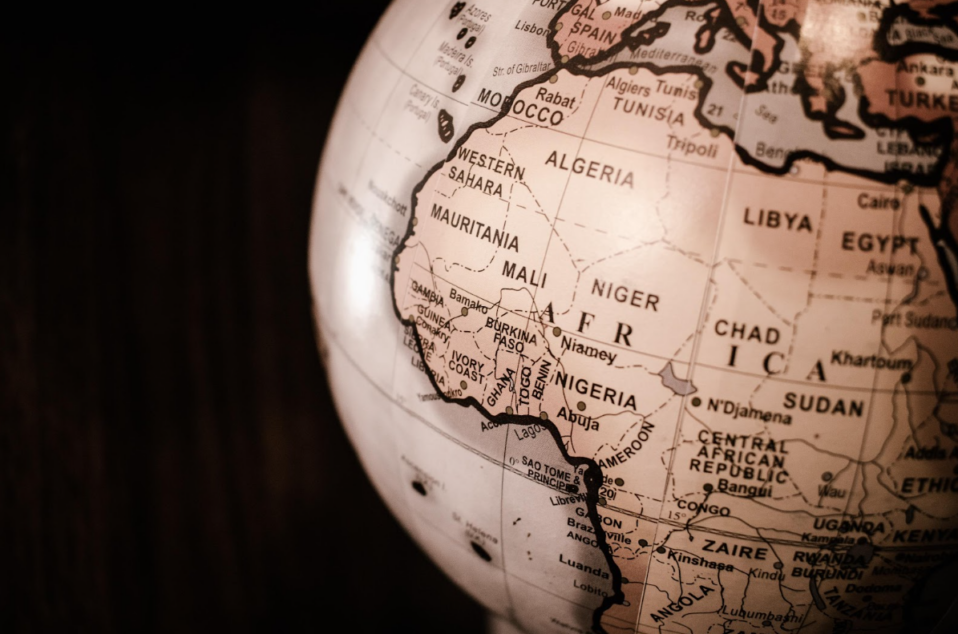
The exploitation of the continent of Africa’s wealth and resources is not unprecedented. The modern exploitation of its resources is a cycle of history reflecting the “Scramble for Africa” in the 1880s. The scramble represents the helpless African countries from the division and exploitation of lead-in global powers such as Russia, China, and the United States.  In the 21st century, the race to occupy, gain, and maintain allies in Africa is a fight for commercial, diplomatic, and geopolitical power in the continent. 

The question becomes then, if Africa is filled with wealth why does widespread poverty persist? African states are assets due to abundant rich natural resources, yet the continent remains abject to widespread poverty. The ownership of deposits of oil and precious minerals such as diamonds, gold, and tantalum (like in the Democratic Republic of the Congo and Nigeria) is under the control of private companies. International mining companies have licenses to cultivate their treasures, generating revenues for only private elitists. This continues to fuel a cycle of corruption and exclusion. 

The growing influence of Russia and China reflects the increasing value of Africa for its resources. The Belt and Road Initiative in 2019 is Beijing’s infrastructure and investment initiative that currently is increasing tension with the European Union, and its ally the United States. Italy is the only G7 country to join as a partner to revitalize its economy but now is preparing to withdraw. Italy’s position in the plan would prove itself as a trustworthy ally to the United States and European Union but on the other hand provoke and escalate problems with China. China’s plan to expand its global influence is causing more tensions in Africa and the potential for diplomatic fallouts. 

A proposed solution is the diversification of African economies rather than solely the exportation of raw materials. However, international trade networks rely heavily on the existing supply of raw materials. The strategic initiative aims at stimulating growth and interregional connectivity and is a mere reflection of African nations’ historical patterns of invasion and exploitation. The reality is Africa is only seen for its geopolitical gain and economic incentive rather than as a continent desperately in need of development. 

Written by Community Outreach Intern, Kiana Flak

Read more

Clashes between Sudanese Military Factions

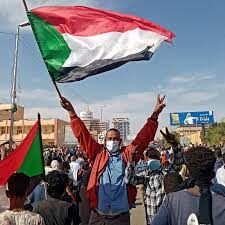
Beginning around Friday, April 14, fighting between two rival military factions erupted in Khartoum, the capital of Sudan. Humanitarian workers and diplomats have been caught in the crossfire as the Sudanese army battles against the paramilitary group, the Rapid Support Forces, in the streets of the city. Previously, the two factions had cooperation “based on undermining civilian aspirations for democratic rule and rejecting accountability for past crimes, including genocide in Darfur” (Johnson, NPR). They were also responsible for the military coup in 2019. This ended as there were attempts to integrate the RSF into the formal military, and the death toll has climbed up to 180 people so far as airstrikes plague the region.

U.S. involvement may increase after a diplomatic envoy was fired on on Monday, April 17. Antony Blinken, the U.S. Secretary of State, issued an official warning to both sides that threats to American citizens in the conflict would not be tolerated. The conflict continues to develop quickly and attempts at mediation by the international community and surrounding countries have been unfruitful thus far. 

Written by: Program Management Intern, Cindy Tse

Read more

 Post Earthquake Aid Crisis in Turkey and Syria

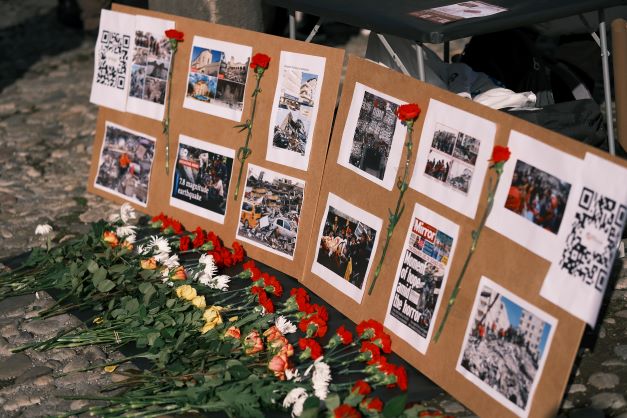
Following the 7.8 magnitude earthquake that struck Turkey and Syria on February 6, 2023, both countries have suffered over 43,000 deaths and shortages of basic human needs. The inability to access food, water, warm clothing, medical help, and shelter results in the demand of international humanitarian aid assistance. The influx of aid is not sufficient enough to provide relief to the thousands of families and communities that have been destroyed. On top of the natural disaster, the geographic area continues to endure political crises – such as Ukraine and the Syrian Civil War. Syria is already fighting a twelve year civil war that has slowly lost the attention of the global community. Families do not even have proper tents or blankets to keep their kids warm while battling the 4 degree celsius nights risking further deaths. 

Without international assistance, death tolls will continue to rise dramatically. The struggle to receive and distribute aid across communities puts immense pressure on the national governments and international agencies to help. The main emergency aid agencies active in Turkey and Syria are the World Food Programme, United Nations Office for the Coordination of Humanitarian Affairs, The United Nations Children’s Fund, International Red Cross and Red Crescent Movement, and Doctors Without Borders. From humanitarian aid to rescue assistance, the countries pledging support and providing relief are mainly the US, India, Qatar, Israel, Germany, and Italy.  The US Secretary of State has announced 100 million dollars in disaster relief, European countries are coordinating rescue teams and firemen, and other Middle Eastern countries are helping with aid packages.  Additionally, private organizations have contributed another 66 million dollars. 

Political and logistical challenges on top of ongoing war exacerbates the implications of the earthquake. In order to mitigate the humanitarian crisis these two countries are suffering, help from the international community is integral.

Written by Community Outreach Intern, Kiana Flak

Read more

Labor Strikes: At Home & Abroad

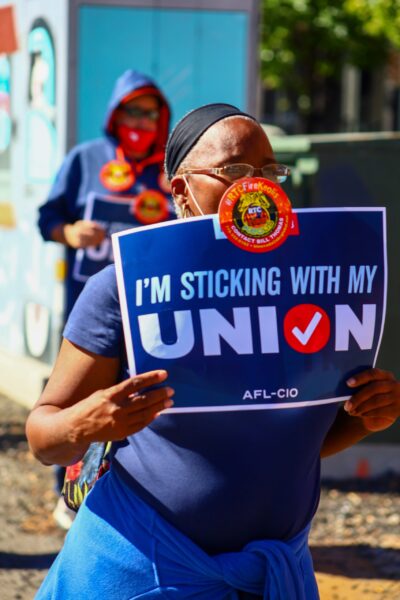
Just before Christmas 2022, U.S. President Joe Biden signed an executive order, effectively blocking what would have been a nationwide railroad strike right at one of the busiest economic periods of the year. The union was fighting for paid sick days in addition to better compensation in return for the increased amount of labor on workers caused by employee cuts. 

While the United States has so far managed to avoid these protests, a similar strike has been occurring in the recent months in the United Kingdom, where almost a month of international striking took place as a call for increased railroad worker pay. On top of that, “40,000 junior doctors, who form the backbone of hospital care, are due to walk out across England for three days starting [March 13]”(Al Jazeera), adding further strain to the already disrupted UK. 

In Paris, piles of trash line the streets as refuse collectors have been striking for over a week for better pension and retirement plans for a demographic where “life expectancy for the garbage workers is 12-17 years below the average for the country as a whole”. (France 24) The strike has been quite effective in showing the necessity for workers we often overlook, particularly the ones who perform the difficult tasks we take for granted.

In Orange County, we had our own student worker strike not too long ago that ground the University of California system to a halt. The growing trend of worker unionization is one to pay attention to as it has begun picking up in major cities all across the globe.

Written by Program Management Intern, Cindy Tse

Read more

La Crisis Política en Perú

On December 7th, 2022, Pedro Castillo, the disputed President of Peru, attempted to dissolve the nation’s Congress, placing a national curfew in effect. In light of a weak presidency, marred by the looming threat of the right-wing legislature in his opposition, threats of a censure for “moral incapacity” were met with one of the largest political disruptions in Peru’s recent history. Quick to respond, the Peruvian Congress quickly voted to remove the President from office, basing their decision on “moral incapacity”, and very soon, panic took hold in Lima, the nation’s capital. 

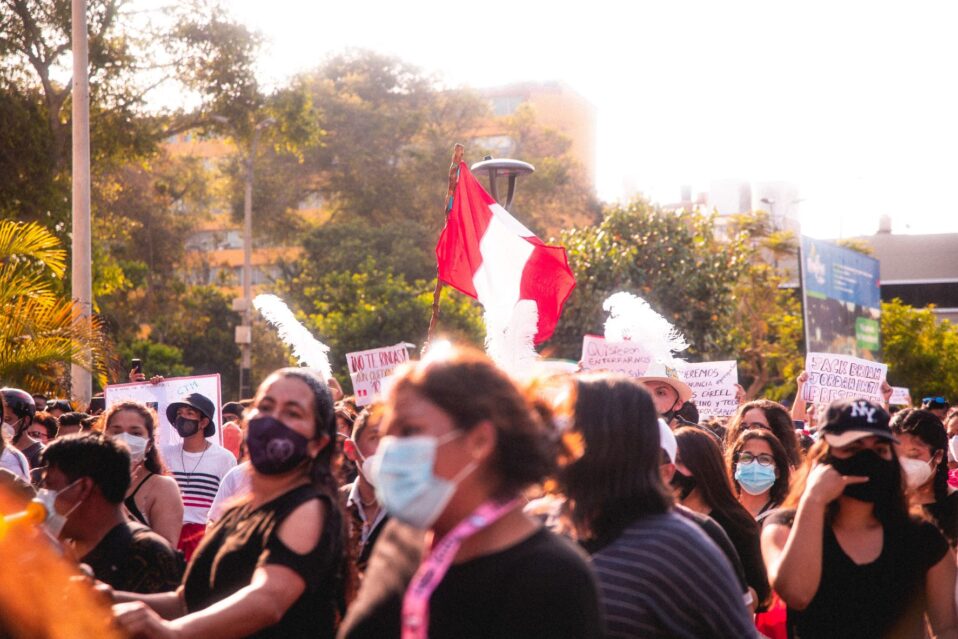
Protests quickly erupted in Lima, where panicked citizens rushed to hoard food and basic supplies, fearing an escalation of events. Castillo’s supporters took to the streets, spurring on violent clashes between protesters and the police, particularly in the capital, Lima, and in the south of the country. The state has responded to the protests with a major crackdown on civil and political rights. To date, at least 58 civilians are confirmed to have been killed, including 10 in a single massacre in the central city of Ayacucho and another 18 in a massacre in the southern city of Juliaca. The National Association of Journalists in Peru has indicated that 21 national journalists have been “victims of aggression or censorship”, signaling the biggest crackdown on media censorship in the country in the last 20 years. The social breakdown in Peru in the last month has been characteristic of the relative political instability the country has suffered since the fall of the military dictatorship in 1980, even as the country has made significant economic gains.

These political crackdowns, taking place heavily in areas with majority indigenous or Quechua speaking populations, call into question the use of extensive force by Peruvian authorities. Reports of officers in civilian clothes, arresting those participating in peaceful demonstrations have sparked dialogue regarding the brutalization and stigmatization of indigenous peoples in a country where about one in four are indigenous or Quechua speaking. The heavy stigmatization of indigenous in Peru has contributed to the overall brutalization of this sector of society. Indigenous Peruvians have been shown to have been disproportionately arrested, monitored, and killed by police violence in the last months. At this time, the protests seem to have no end in sight with the current political establishment still vying for the support of the masses, still, the larger questions brought on by this uprising will persist far beyond their conclusion. 

Written by Andrew Martin, Research & Development Intern

Read more

China’s A4 Protests: The Blank Paper Revolution

China has been in a tumultuous state since the coronavirus pandemic. Strict quarantine enforcement over the course of the last two years have left citizens feeling uneasy and have drawn more attention to human rights issues surrounding the Uyghurs, a Muslim minority within the country. Following an apartment fire at a Uyghur neighborhood in Urumqi, Xinjiang, China, where 10 Uyghur residents died, students gathered to hold vigils honoring the victims and protest the government. The fire’s high death count was suspected to have been in part to the strict Covid-19 restrictions that barred the victims in with the fire and slowed rescue attempts. 

A popular way students have been protesting while attempting to circumvent Chinese media censorship is through the “blank paper revolution”. Videos of protestors standing in solidarity holding pieces of white A4 paper have gone viral. Criticism of the Communist party government and President Xi Jinping have been mounting alongside the sporadic bursts of activism, and experts are viewing this as a possible turning point in Chinese politics. 

Written by Program Management Intern, Cindy Tse

Read more