
orangecounty@worldaffairscouncil.org

internationalrelations

Bosnia Reflection: A Story of War & Hope

9/25/2026

Author’s Note: My name is Nathan Palomares, and I am the current news intern at the World Affairs Council of Orange County. Over the summer, after graduating from Chapman University with a Bachelor’s degree in Political Science, I participated in a travel-learning program in collaboration with the Peace Studies Department and the Center for International Experimental Learning (CIEL). I’m writing this reflection for the Council because my experiences align with the organization’s stated mission, and I wanted to share what it is like to travel outside one’s home for the first time and how my time at the Council helped me take a risk I will remember for the rest of my life.

During the Summer of 2026, I had the opportunity to travel outside the United States for the first time as part of a learning experience organized by the Center for International Experimental Learning (CIEL). The country we were going to visit was Bosnia & Herzegovina, in an effort to study the lasting impacts of the war in the 1990s and the various human rights violations that were inflicted upon the people.

This reflection on my time abroad will be broken down into three themes: human rights/international law, the importance of travel in gaining new perspectives, and the world we want to create. 

Here is some background information about Bosnia and the war from the 1990s to better understand my own experience going into this travel program.
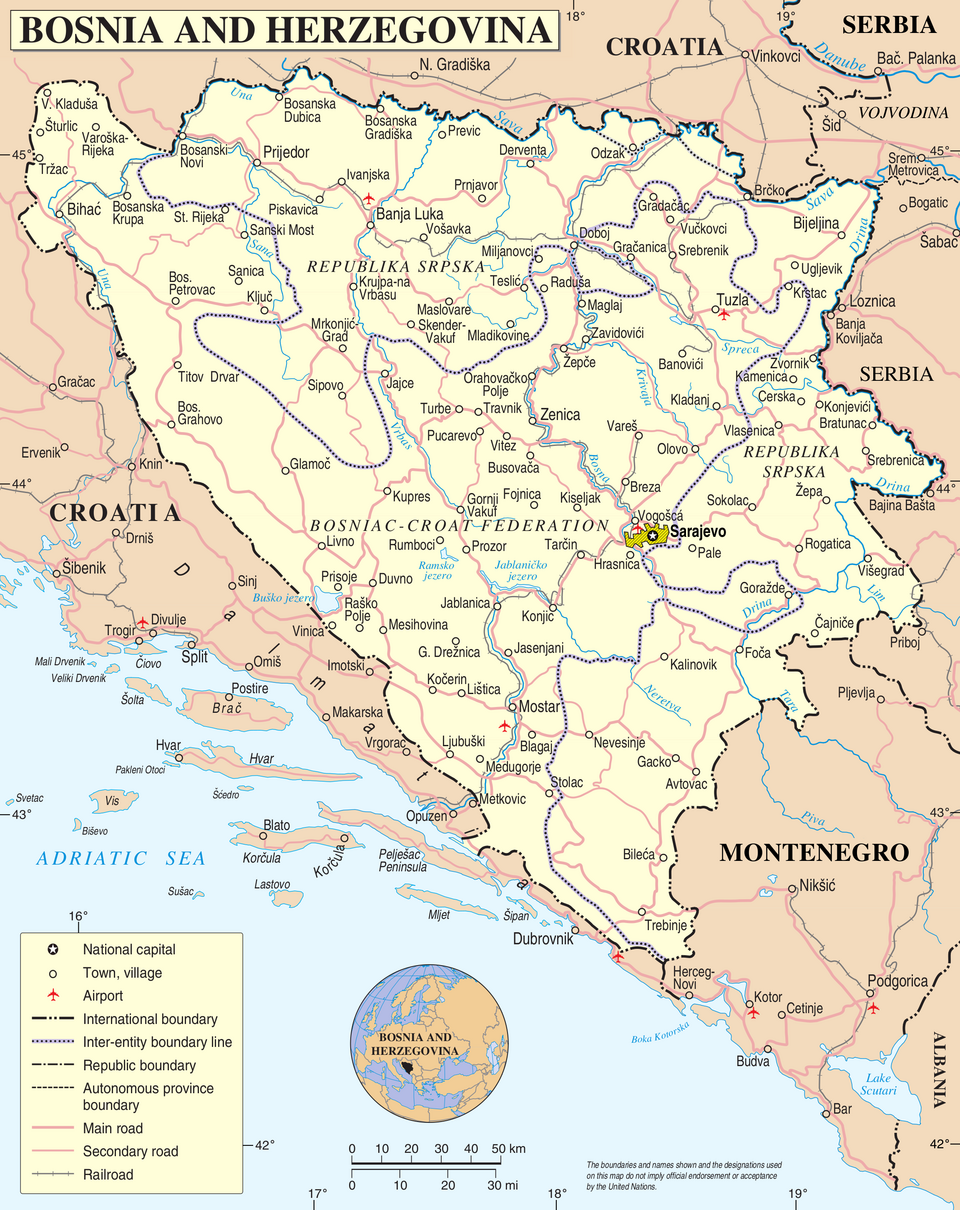
Map of Bosnia & Herzegovina. Image from UN Geospatial.

The country of Bosnia & Herzegovina is located in the Balkans region of Europe, with a long history of various empires and cultures settling the land. The two most prominent actors were the Austro-Hungarian Empire and the Ottoman Empire, leaving both a mark on Bosnia’s history and identity. As a result, when walking through the cities, one can see a split in the architecture of the buildings on each side of the streets, with one side being more Turkish and the other more Austrian. 

Leading into the most important aspect of this history, the demographic/religious diversity that Bosnia inhabits was a crucial factor in the war. There are essentially three major ethno-religious communities that call Bosnia home. They’re the Muslim-Bosniaks, Orthodox-Serbs, and Catholic-Croats. After World War II, the socialist country of Yugoslavia was formed in the Balkans, with Bosnia being a part of it. During this era, many of the differences between communities were largely suppressed.
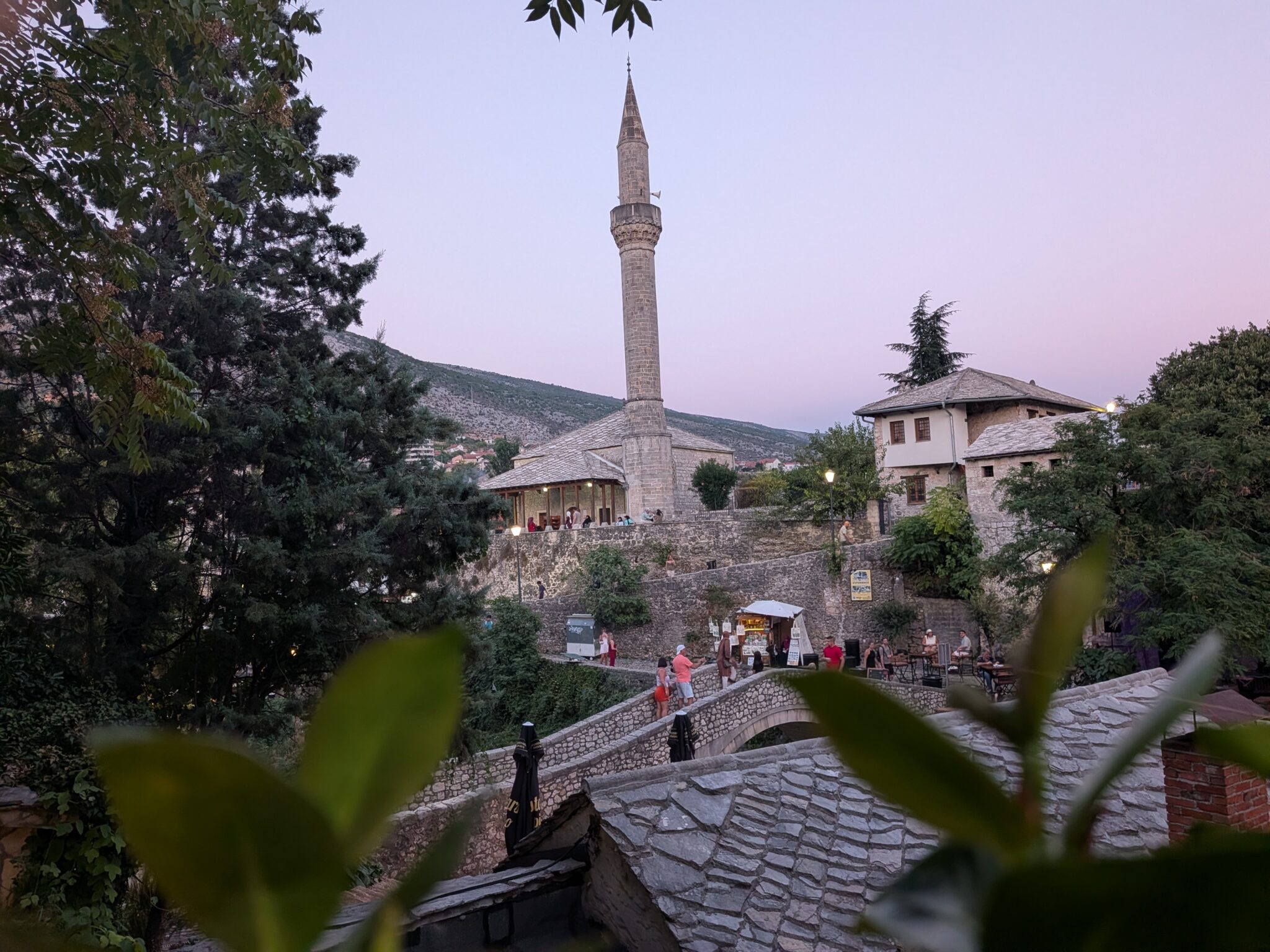
Photo of a Mosque minaret in Mostar, Bosnia & Herzegovina. Photo taken by Nathan Palomares

This was the case for decades until the collapse of Yugoslavia following the death of its leader, Josip Broz Tito, whereby by the mid-1990s, various new states were being formed, including Bosnia & Herzegovina. At the time of Yugoslavia’s collapse, nationalism began to rise, and as a response to Bosnia’s declaration of independence, Serbia and the former Yugoslav People’s Army decided to support the Serbs living in Bosnia in an effort to carve up the new country.
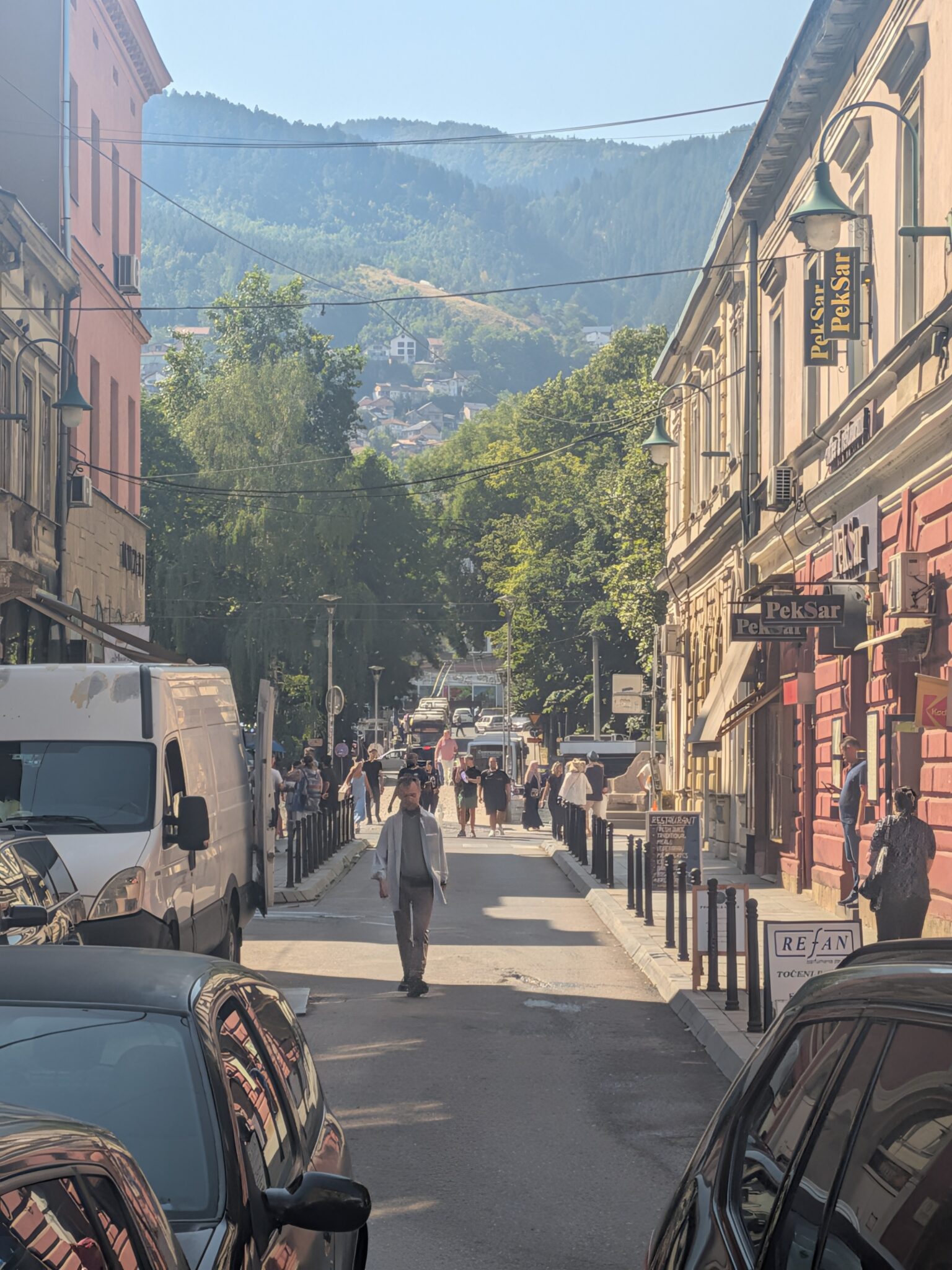
Photo of a street in Sarajevo, Bosnia & Herzegovina. Photo taken by Nathan Palomares.

Which leads me to my program. During the Bosnian War, many mass atrocities and war crimes were committed in many instances, such as the Siege of Sarajevo and the Srebrenica Massacre. This history and the many individuals’ stories I heard led me to understand better concepts of memory, justice, and what it means to live in a post-conflict society.

The central issue that surrounded the program was the Bosnian Genocide, a horrific act of organized systematic violence that claimed the lives of mostly Bosniak civilians, coupled with a systematic policy of mass sexual assaults upon women and children. 

One of the most infamous events that took place during the entire war was the 1995 Srebrenica Genocide, as designated by the International Tribunal for the Former Yugoslavia (ICTY) and the International Court of Justice (ICJ). My group went to visit the Srebrenica Museum, where we witnessed firsthand accounts of atrocities and primary source videos where innocents were being killed.

One incident was the Srebrenica Death March, where out of the 12-15 thousand men and boys who fled Srebrenica after it was captured by the Serb forces, only about 3,000 survived. During this time of the trip, a shock factor was present with disturbing images, videos, and stories of real people who experienced real, horrible things. One theme that kept coming up was the United Nations’ failure. Failure to prevent a war, failure to mediate a conflict, and failure to stop a genocide 50 years after the Holocaust.

How did the greatest creation of the Liberal International Order fail to uphold human rights and international law?

Is a question that is forefront and center in my mind. As someone born and raised in the United States, I am often taught the importance of the rule of law and international cooperation, where we are also led to believe that within the halls of international institutions lie a professional system of efficient bureaucrats that will uphold international law and do what’s right for the world.

However, it is evident from recent world events in Gaza, Ukraine, and Venezuela that international law may be sidelined in the interests of different, often powerful actors who view this international institution as a roadblock to power.

Which leads me to my experience from traveling outside the U.S. for the first time. The opportunity to travel is something I believe everyone should take. It can challenge your biases, foster cultural awareness, and most importantly, open your mind to a non-U.S. perspective, which may lead to a more informed and nuanced view of the world.

As someone who wants to work in an industry centered around international affairs, I couldn’t have been more excited to travel on this program to gain that experience. For example, when our news media back home discusses internal conflicts within other countries, they usually frame it as the ethnic groups within the state have always been at each other’s throats. Famously, a few years ago, the U.S. President Donald Trump made a claim that the Kurdish ethnic group and Turks have been “fighting for centuries”. 

This mentality that we are often fed by the outside world is arrogant, for sure, but it reflects an American exceptionalist perspective where only bad things, such as the Bosnian Genocide, could happen “over there”. So it was a pleasant surprise that once I actually went “over there” and talked with the locals, I learned of Bosnia’s diverse history of communities living in relatively peaceful coexistence before the war.

One story I remember is from when my group visited one of the oldest synagogues in Sarajevo, and our tour guide told us about the Muslim and Jewish women of Sarajevo during World War II, who offered Jewish families their Niqab (a type of Muslim covering for women), in an effort to trick Nazi occupiers. This was the first time I had ever heard of this story, and it really offered an alternative to the narrative I grew up hearing about a perpetually conflict-affected region with “backward peoples” who can’t live with each other.

It was a story of hope, love, and community, which was important to hear when surrounded by people who have gone through hell.

When I reflect on my time in Bosnia and hearing personal accounts and survivor stories, I often feel frustrated and confused about how the conflict and international response played out. As I have mentioned, the U.N. and European states failed to prevent a genocide and uphold human rights for Bosnians. International law was disregarded, individual and institutional interests were put above human dignity, and, most of all, this analysis of the conflict raises a question in my mind: what kind of world do we want to create?

As of the writing of this blog, America is at war with Iran, Russia is still attempting to seize territory in Ukraine, Yemen is still facing one of the world’s worst humanitarian crises, the rising climate is driving climate change that will affect the earth for years to come, and countless crimes against humanity are taking place, ranging from Gaza to Myanmar.
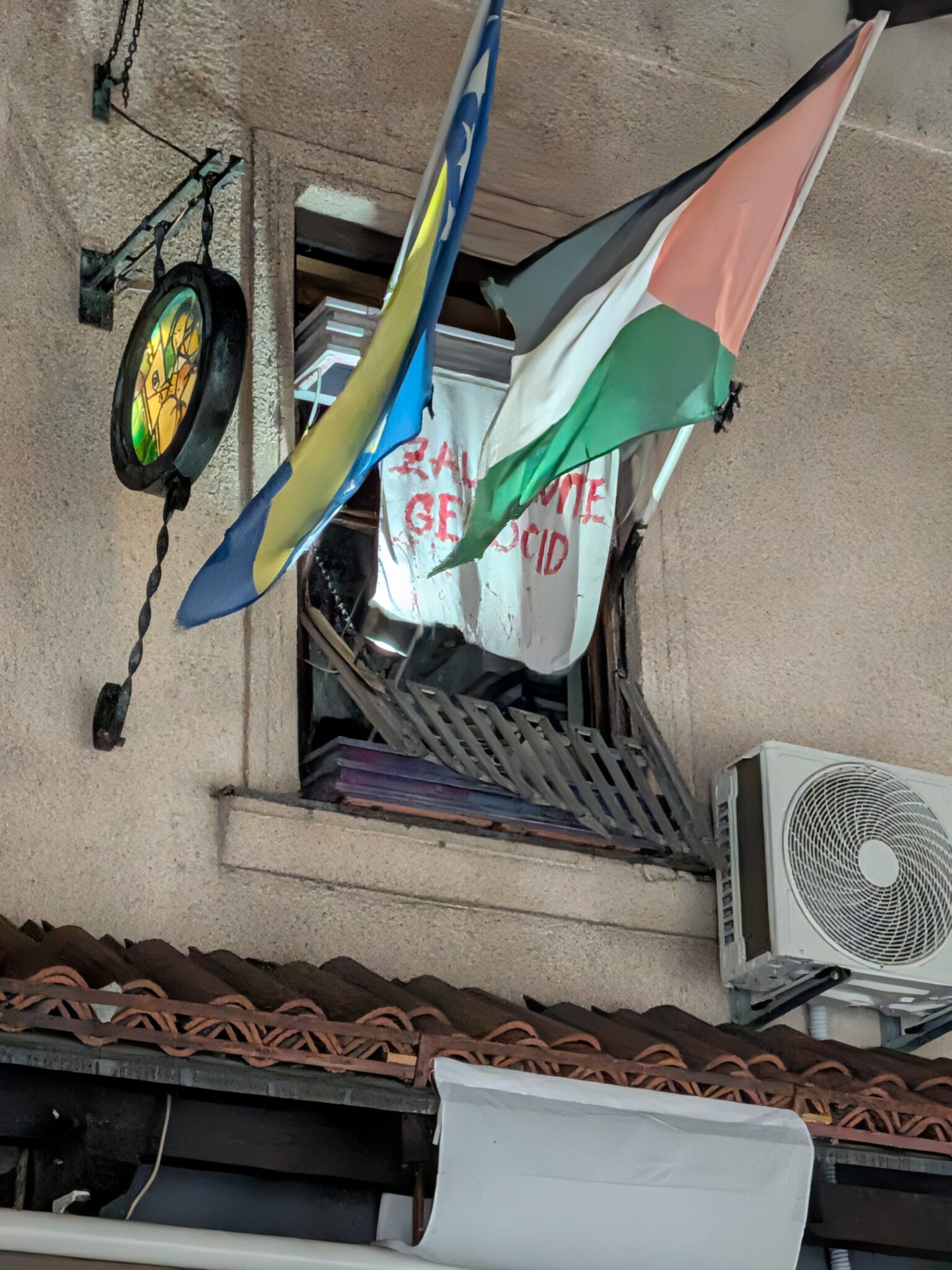
Photo of a window with a political statement of Palestine in Sarajevo. Photo taken by Nathan Palomares.

While all these crises may seem daunting and beyond our control as individuals, one thing I was taught in Bosnia was that we, as people, have the power to change. We can live in a world where international law and human dignity are respected, where we can settle our differences without so much bloodshed, and where we can create a world in which every human, every culture, and even the earth are respected. 

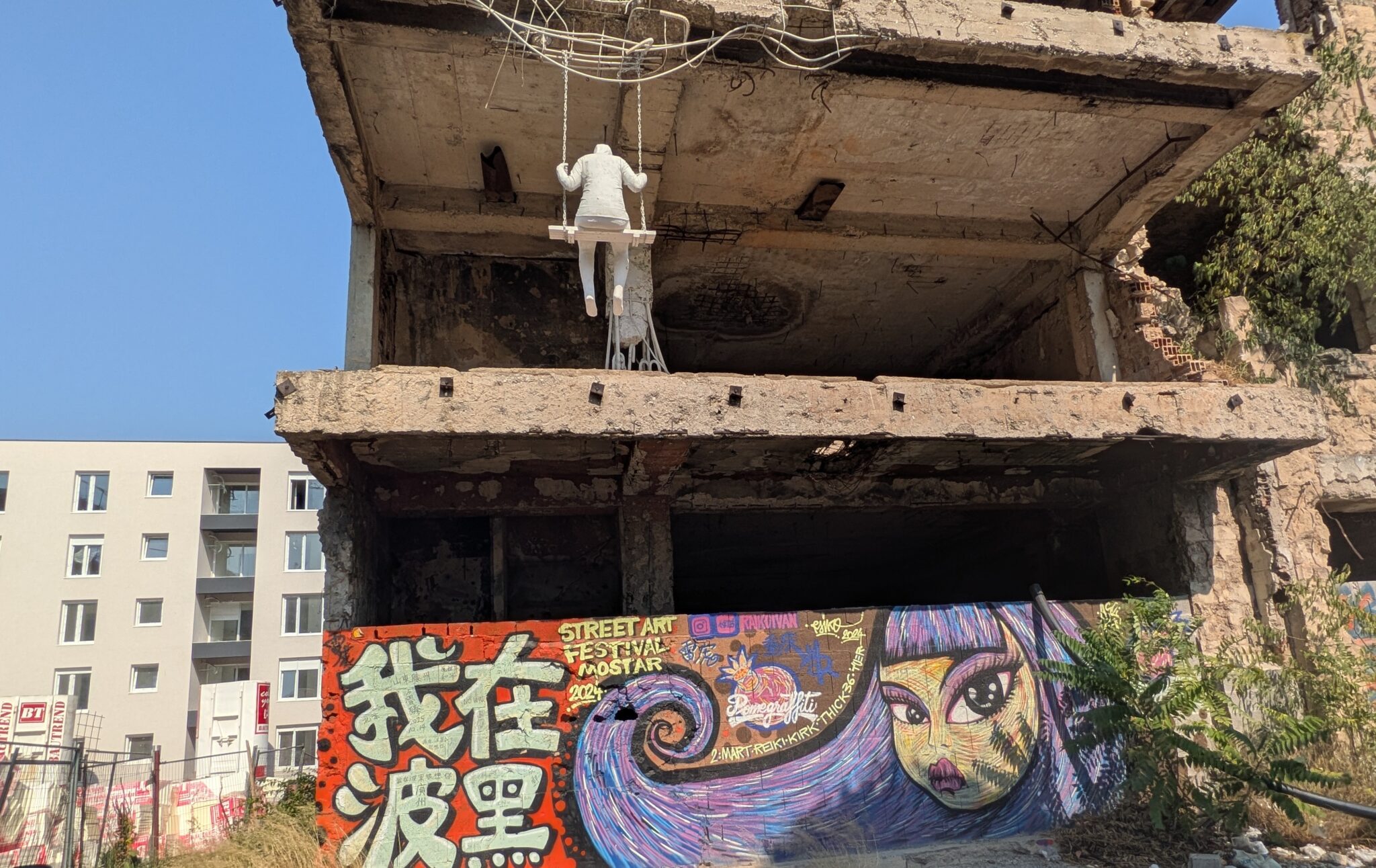
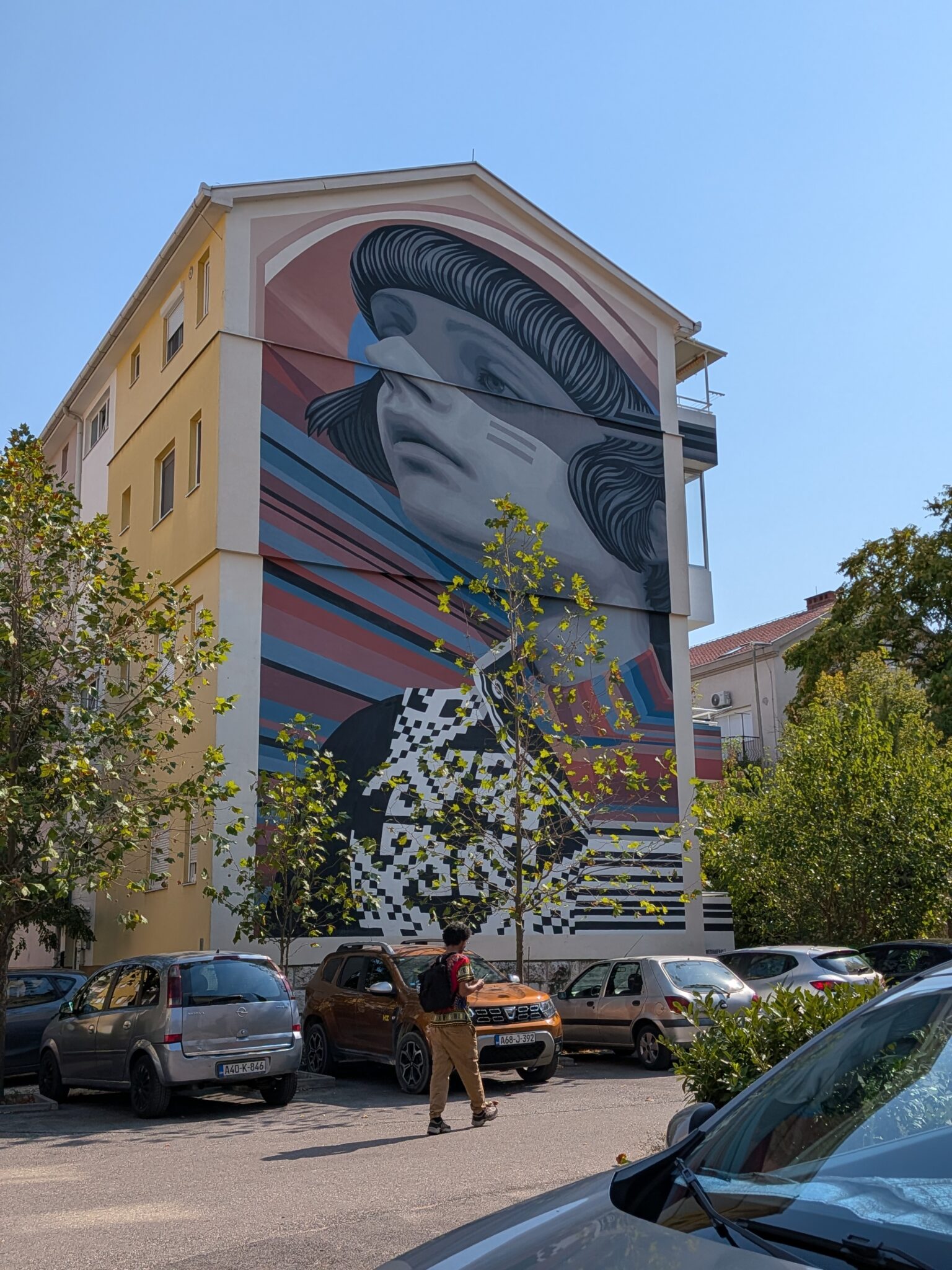
Despite facing many terrors, the people of Bosnia & Herzegovina are resilient and have even found a way to demonstrate their resolve through art. 
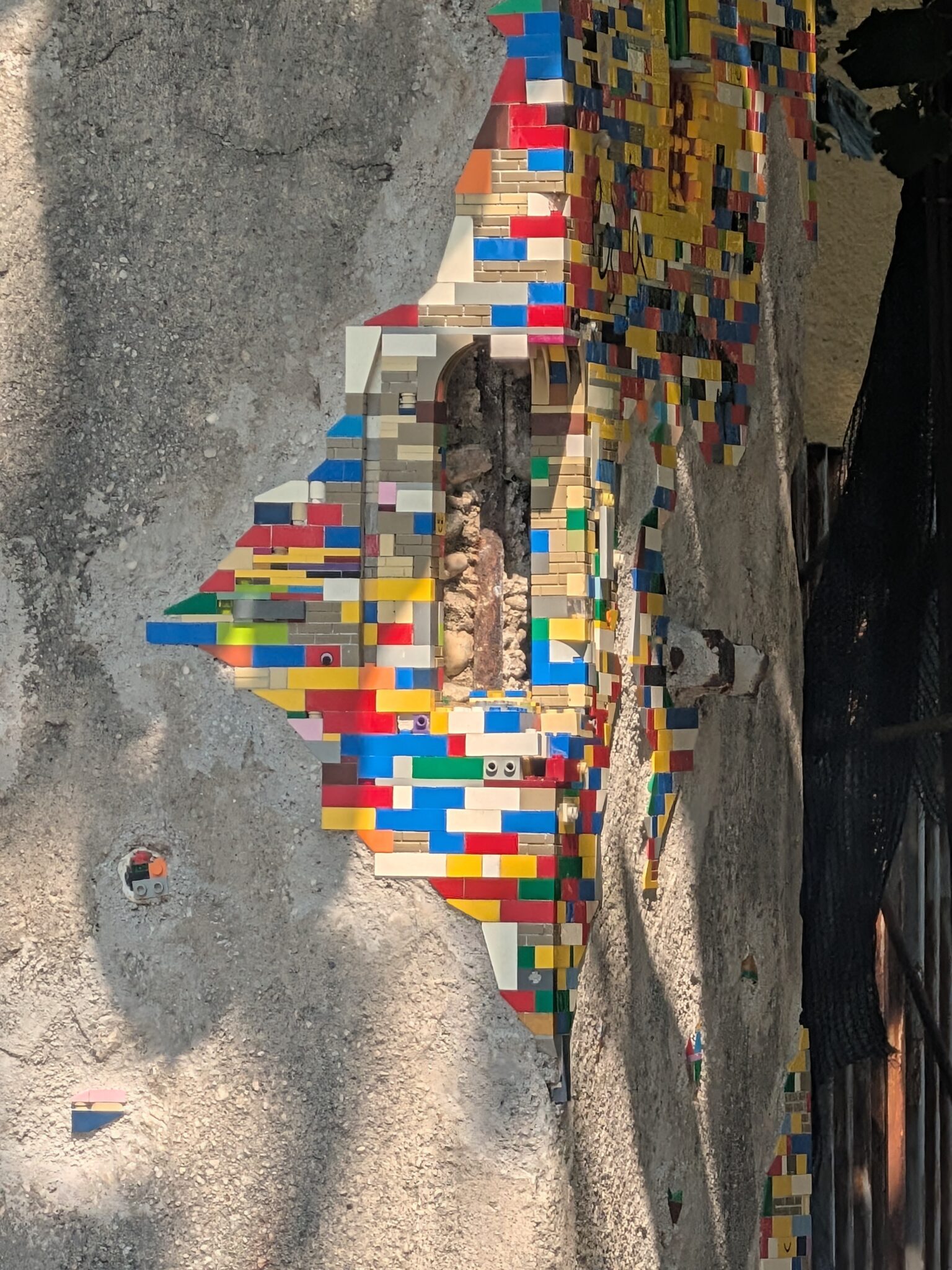
In the remnants of war, I found that through street art, beauty can sprout again, reclaiming dignity and faith in humanity.

While most of international politics has viewed the state as the only actor on the world stage, in our contemporary world, non-state actors and civic groups have begun to gain more relevance. This means that we don’t have to rely solely on states and politicians to create a better world. We must organize to leave the world better than how we were born into it.
Read more

What Is The Significance of Navalny’s Death?

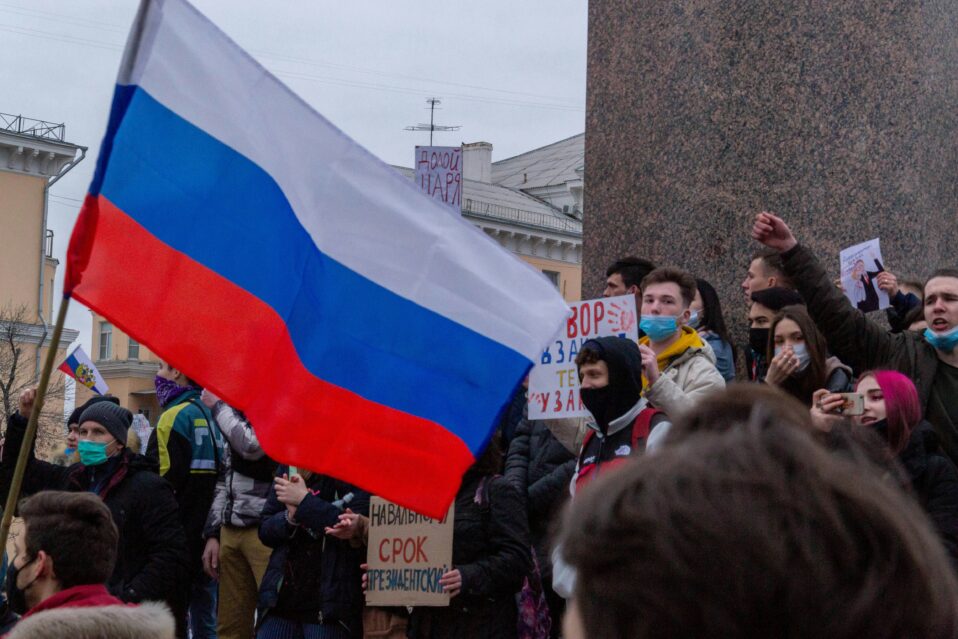
February 16th, 2024 signified the loss of another hope for the reconstruction of law and order in modern Russian society. Alexei Navalny was an active opposition to Putin. Navalny started his career back in 2007 and forcefully ended his anti-Putin movement in 2024 due to his unexpected death at the Arctic Circle prison. This event carries greater significance to world affairs and identifies Russian power.

Alexei Navalny was known for his actions, specifically anti-corruption campaigns in Russia, appeals to the nation to rise for revolution, presidential election boycott, and other anti-current government movements that are not welcomed in the non-democratic state. Predictably, his actions were strictly controlled by elites in Russia and were not warmly met by the government.

Specifically, in August 2020, Alexei Navalny was poisoned by the famously known nerve agent, Novichok. This chemical is the deadliest chemical currently known to humanity. Novichok was invented by Russian scientists during the Cold War. Luckily, after the poisoning, Alexei Navalny was able to get to Germany in time to receive medical support and have a successful recovery. The most observable Putin’s opponent stayed in the German hospital and acquired all needed help until January 2021. Navalny then decided it was time for him to fly back to his homeland and facilitate anti-Putin views to the nation. He initiated his campaign by urging people to stand up against current elites and topple Russian governance. While landing Navalny’s airplane at the wrong airport within Moscow, the demonstrations was not deterred; however, not exactly in the way that Alexei was anticipating. Soon enough, he was arrested for the violation of parole and sentenced to prison for 19 years. While the protests continued in Russia, soon after Navalny’s disappearance from the public eye, the Russian government successfully stopped the rebellions. Thereafter, in 2023, Navalny was moved to the Arctic Circle, where he spent his last days and ultimately encountered his death.

The statements relevant to the recent death of the opposition are continuously altering their interpretation by pro-Putin executives. The original justification for death being “blood clot” was later changed to “sudden death syndrome,” as well as the date of his death shifting from February 15th to February 16th.

Navalny was the hope of the Western World to change the authoritarian regime within Russia. Now that Putin is not facing Navalny’s opposition, is there anything else providing hope for a potential freedom of Russia from Putin’s authority? However, with the rise of anti-Putin desires of the Russian nations, new opposition will be found in the country. As of right now, it is possible to predict that the widow of Alexei will be the one shouldering this role. Altogether, it will be ultimately up to the Russian nation to identify the future of their country. If the population is willing and ready for the regime change, the leader will be able to start the process. If the nation has still not gained enough basis to promote an anti-Putin perspective, then there are almost no outside factors that can shake and decrown Russian elites.

At the same time, Putin’s time might end without Navalny’s counterplay. The current president is 71 years old, and his era might be ending in the short future. It is important to note that in Russia, the system is mainly based on Putin’s authority; it is yet stable enough to survive the shift of power without significant institutional changes within the country.

Overall, the death of Navalny again highlighted to the rest of the world the absence of law and order in the Russian Federation, as well as the emphasis on the presence of a stable authoritarian regime within the state.

Written by Events Intern, Sofiia Lobas.

References:

https://www.reuters.com/world/europe/alexei-navalnys-death-what-do-we-know-2024-02-18/

https://carnegieendowment.org/politika/91665

Photo credit: Rom T

Read more

LTG H.R. McMaster (Ret.): Qualified for Duty

Who is LTG H.R. McMaster (Ret.)?

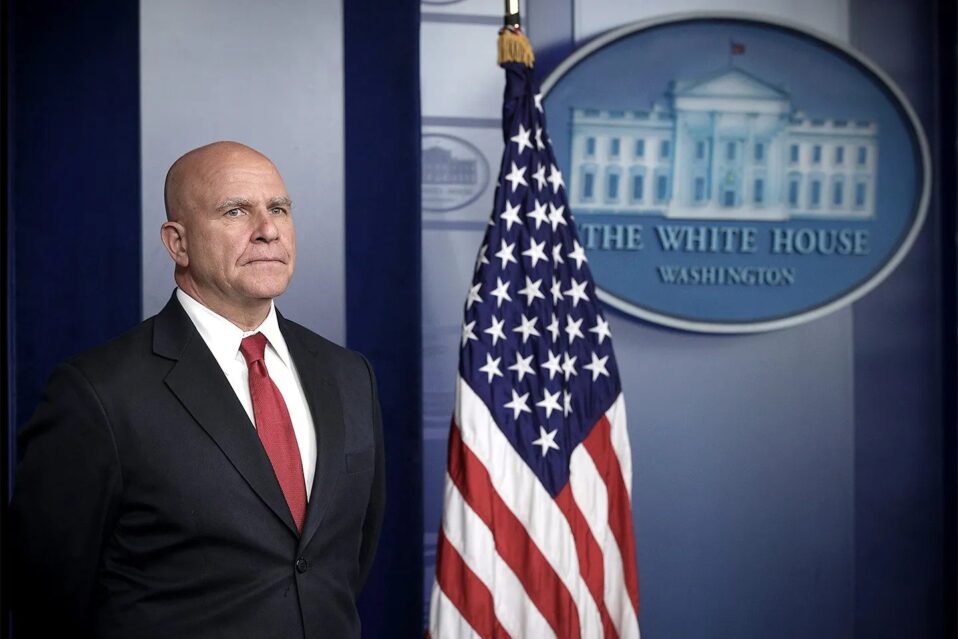
Lieutenant General H.R. McMaster (R.) (Herbert Raymond) was born in Philadelphia on July 24, 1962. Upon graduation from the US Military Academy at West Point in 1984, McMaster served as a commissioned officer in the US Army for thirty-four years. McMaster obtained a Ph.D. in military history from the University of North Carolina at Chapel Hill and later became an assistant professor of history at the US Military Academy. He is known for his roles in the Gulf War, Operation Enduring Freedom, and Operation Iraqi Freedom. 

What is LTG H.R. McMaster (Ret.) qualified for and why? 

On February 20, 2017, U.S. President Donald Trump nominated McMaster for National Security Advisor following the resignation of Michael T. Flynn on February 13. When he was nominated, McMaster was to remain in active duty while serving as the National Security Advisor. Some people might have had their doubts about H.R. McMaster becoming National Security Advisor but his experience has shown that he is more than qualified. McMaster has served overseas as an advisor to the most senior commanders in the Middle East, Iraq, and Afghanistan. In Time’s list of the 100 most influential people in the world released in April 2014, McMasters was described to be “the architect of the future of the U.S. Army.” 

Throughout his years in the army, General McMaster maintained that despite his forward-thinking approach, his understanding of military history remained a huge influence on how he made future decisions. During the Gulf War in 1991, McMaster was a captain commanding Eagle Troop of the 2nd Armored Cavalry Regiment at the Battle of 73 Easting. Although his troop was significantly outnumbered, they encountered the enemy by surprise as McMaster’s lead tank crested a dip in the terrain, the nine tanks of his troop destroyed 28 Iraqi Republican Guard tanks without loss in 23 minutes. He has brought his knowledge to battle and has emerged victorious in countless situations. H.R. McMaster has also had a series of staff positions at U.S. Central Command (USCENTCOM), including planning and operations roles in Iraq. 

In July 2014, McMaster became Lieutenant General and pinned on his third star when he began his duties as Deputy Commanding General of the U.S. Army Training and Doctrine Command and Director of TRADOC’s Army Capabilities Integration Center. A few years later, H.R. McMaster retired as Lieutenant General in June 2018 following his resignation as National Security Advisor. Today, McMaster is the host of Battlegrounds: International Perspectives on

Crucial Challenges and Opportunities and is a regular on a video series called Goodfellows. He is also a Distinguished University Fellow at Arizona State University.

Written by: Events Intern, Anahi Aguirre

Read more

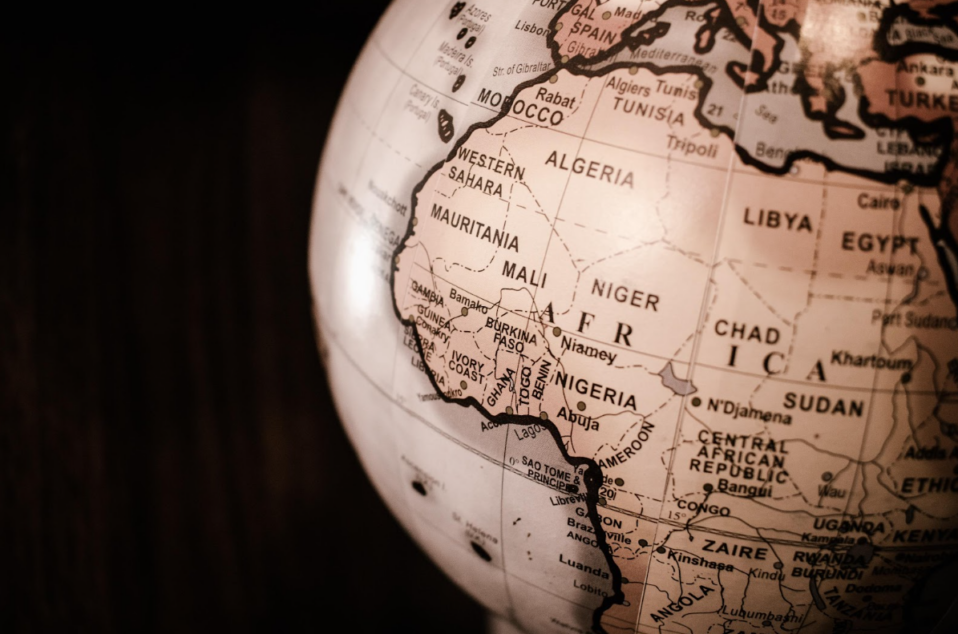
The Paradox of Poverty and Wealth in Africa

The exploitation of the continent of Africa’s wealth and resources is not unprecedented. The modern exploitation of its resources is a cycle of history reflecting the “Scramble for Africa” in the 1880s. The scramble represents the helpless African countries from the division and exploitation of lead-in global powers such as Russia, China, and the United States.  In the 21st century, the race to occupy, gain, and maintain allies in Africa is a fight for commercial, diplomatic, and geopolitical power in the continent. 

The question becomes then, if Africa is filled with wealth why does widespread poverty persist? African states are assets due to abundant rich natural resources, yet the continent remains abject to widespread poverty. The ownership of deposits of oil and precious minerals such as diamonds, gold, and tantalum (like in the Democratic Republic of the Congo and Nigeria) is under the control of private companies. International mining companies have licenses to cultivate their treasures, generating revenues for only private elitists. This continues to fuel a cycle of corruption and exclusion. 

The growing influence of Russia and China reflects the increasing value of Africa for its resources. The Belt and Road Initiative in 2019 is Beijing’s infrastructure and investment initiative that currently is increasing tension with the European Union, and its ally the United States. Italy is the only G7 country to join as a partner to revitalize its economy but now is preparing to withdraw. Italy’s position in the plan would prove itself as a trustworthy ally to the United States and European Union but on the other hand provoke and escalate problems with China. China’s plan to expand its global influence is causing more tensions in Africa and the potential for diplomatic fallouts. 

A proposed solution is the diversification of African economies rather than solely the exportation of raw materials. However, international trade networks rely heavily on the existing supply of raw materials. The strategic initiative aims at stimulating growth and interregional connectivity and is a mere reflection of African nations’ historical patterns of invasion and exploitation. The reality is Africa is only seen for its geopolitical gain and economic incentive rather than as a continent desperately in need of development. 

Written by Community Outreach Intern, Kiana Flak

Read more

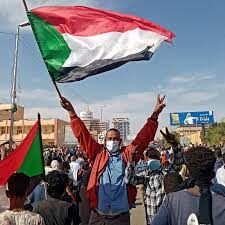
Clashes between Sudanese Military Factions

Beginning around Friday, April 14, fighting between two rival military factions erupted in Khartoum, the capital of Sudan. Humanitarian workers and diplomats have been caught in the crossfire as the Sudanese army battles against the paramilitary group, the Rapid Support Forces, in the streets of the city. Previously, the two factions had cooperation “based on undermining civilian aspirations for democratic rule and rejecting accountability for past crimes, including genocide in Darfur” (Johnson, NPR). They were also responsible for the military coup in 2019. This ended as there were attempts to integrate the RSF into the formal military, and the death toll has climbed up to 180 people so far as airstrikes plague the region.

U.S. involvement may increase after a diplomatic envoy was fired on on Monday, April 17. Antony Blinken, the U.S. Secretary of State, issued an official warning to both sides that threats to American citizens in the conflict would not be tolerated. The conflict continues to develop quickly and attempts at mediation by the international community and surrounding countries have been unfruitful thus far. 

Written by: Program Management Intern, Cindy Tse

Read more

 Post Earthquake Aid Crisis in Turkey and Syria

Following the 7.8 magnitude earthquake that struck Turkey and Syria on February 6, 2023, both countries have suffered over 43,000 deaths and shortages of basic human needs. The inability to access food, water, warm clothing, medical help, and shelter results in the demand of international humanitarian aid assistance. The influx of aid is not sufficient enough to provide relief to the thousands of families and communities that have been destroyed. On top of the natural disaster, the geographic area continues to endure political crises – such as Ukraine and the Syrian Civil War. Syria is already fighting a twelve year civil war that has slowly lost the attention of the global community. Families do not even have proper tents or blankets to keep their kids warm while battling the 4 degree celsius nights risking further deaths. 

Without international assistance, death tolls will continue to rise dramatically. The struggle to receive and distribute aid across communities puts immense pressure on the national governments and international agencies to help. The main emergency aid agencies active in Turkey and Syria are the World Food Programme, United Nations Office for the Coordination of Humanitarian Affairs, The United Nations Children’s Fund, International Red Cross and Red Crescent Movement, and Doctors Without Borders. From humanitarian aid to rescue assistance, the countries pledging support and providing relief are mainly the US, India, Qatar, Israel, Germany, and Italy.  The US Secretary of State has announced 100 million dollars in disaster relief, European countries are coordinating rescue teams and firemen, and other Middle Eastern countries are helping with aid packages.  Additionally, private organizations have contributed another 66 million dollars. 

Political and logistical challenges on top of ongoing war exacerbates the implications of the earthquake. In order to mitigate the humanitarian crisis these two countries are suffering, help from the international community is integral.

Written by Community Outreach Intern, Kiana Flak

Read more

China’s A4 Protests: The Blank Paper Revolution

China has been in a tumultuous state since the coronavirus pandemic. Strict quarantine enforcement over the course of the last two years have left citizens feeling uneasy and have drawn more attention to human rights issues surrounding the Uyghurs, a Muslim minority within the country. Following an apartment fire at a Uyghur neighborhood in Urumqi, Xinjiang, China, where 10 Uyghur residents died, students gathered to hold vigils honoring the victims and protest the government. The fire’s high death count was suspected to have been in part to the strict Covid-19 restrictions that barred the victims in with the fire and slowed rescue attempts. 

A popular way students have been protesting while attempting to circumvent Chinese media censorship is through the “blank paper revolution”. Videos of protestors standing in solidarity holding pieces of white A4 paper have gone viral. Criticism of the Communist party government and President Xi Jinping have been mounting alongside the sporadic bursts of activism, and experts are viewing this as a possible turning point in Chinese politics. 

Written by Program Management Intern, Cindy Tse

Read more