orangecounty@worldaffairscouncil.org

Blog

La Crisis Política en Perú

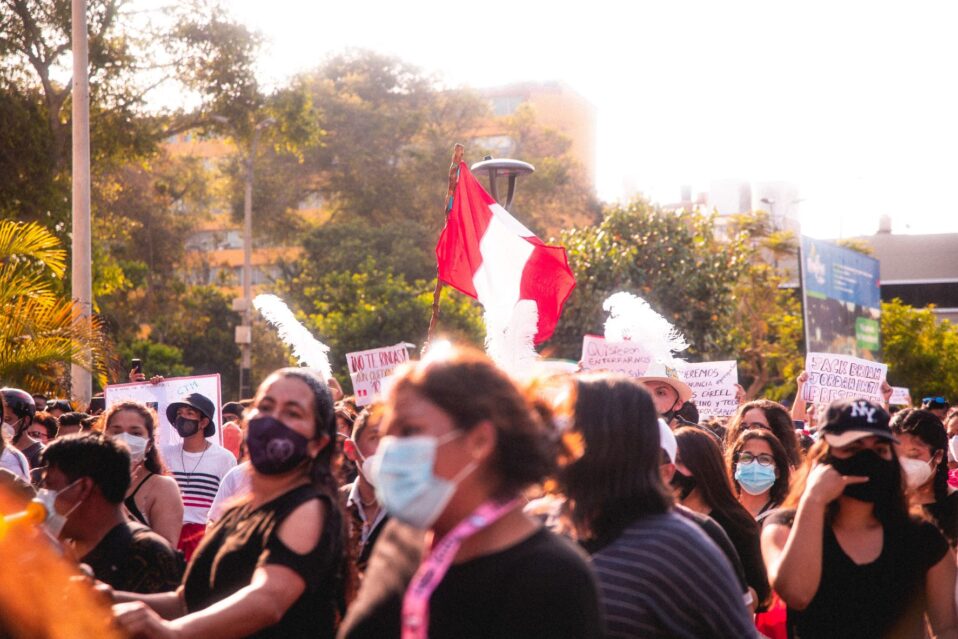
On December 7th, 2022, Pedro Castillo, the disputed President of Peru, attempted to dissolve the nation’s Congress, placing a national curfew in effect. In light of a weak presidency, marred by the looming threat of the right-wing legislature in his opposition, threats of a censure for “moral incapacity” were met with one of the largest political disruptions in Peru’s recent history. Quick to respond, the Peruvian Congress quickly voted to remove the President from office, basing their decision on “moral incapacity”, and very soon, panic took hold in Lima, the nation’s capital. 

Protests quickly erupted in Lima, where panicked citizens rushed to hoard food and basic supplies, fearing an escalation of events. Castillo’s supporters took to the streets, spurring on violent clashes between protesters and the police, particularly in the capital, Lima, and in the south of the country. The state has responded to the protests with a major crackdown on civil and political rights. To date, at least 58 civilians are confirmed to have been killed, including 10 in a single massacre in the central city of Ayacucho and another 18 in a massacre in the southern city of Juliaca. The National Association of Journalists in Peru has indicated that 21 national journalists have been “victims of aggression or censorship”, signaling the biggest crackdown on media censorship in the country in the last 20 years. The social breakdown in Peru in the last month has been characteristic of the relative political instability the country has suffered since the fall of the military dictatorship in 1980, even as the country has made significant economic gains.

These political crackdowns, taking place heavily in areas with majority indigenous or Quechua speaking populations, call into question the use of extensive force by Peruvian authorities. Reports of officers in civilian clothes, arresting those participating in peaceful demonstrations have sparked dialogue regarding the brutalization and stigmatization of indigenous peoples in a country where about one in four are indigenous or Quechua speaking. The heavy stigmatization of indigenous in Peru has contributed to the overall brutalization of this sector of society. Indigenous Peruvians have been shown to have been disproportionately arrested, monitored, and killed by police violence in the last months. At this time, the protests seem to have no end in sight with the current political establishment still vying for the support of the masses, still, the larger questions brought on by this uprising will persist far beyond their conclusion. 

Written by Andrew Martin, Research & Development Intern

Read more

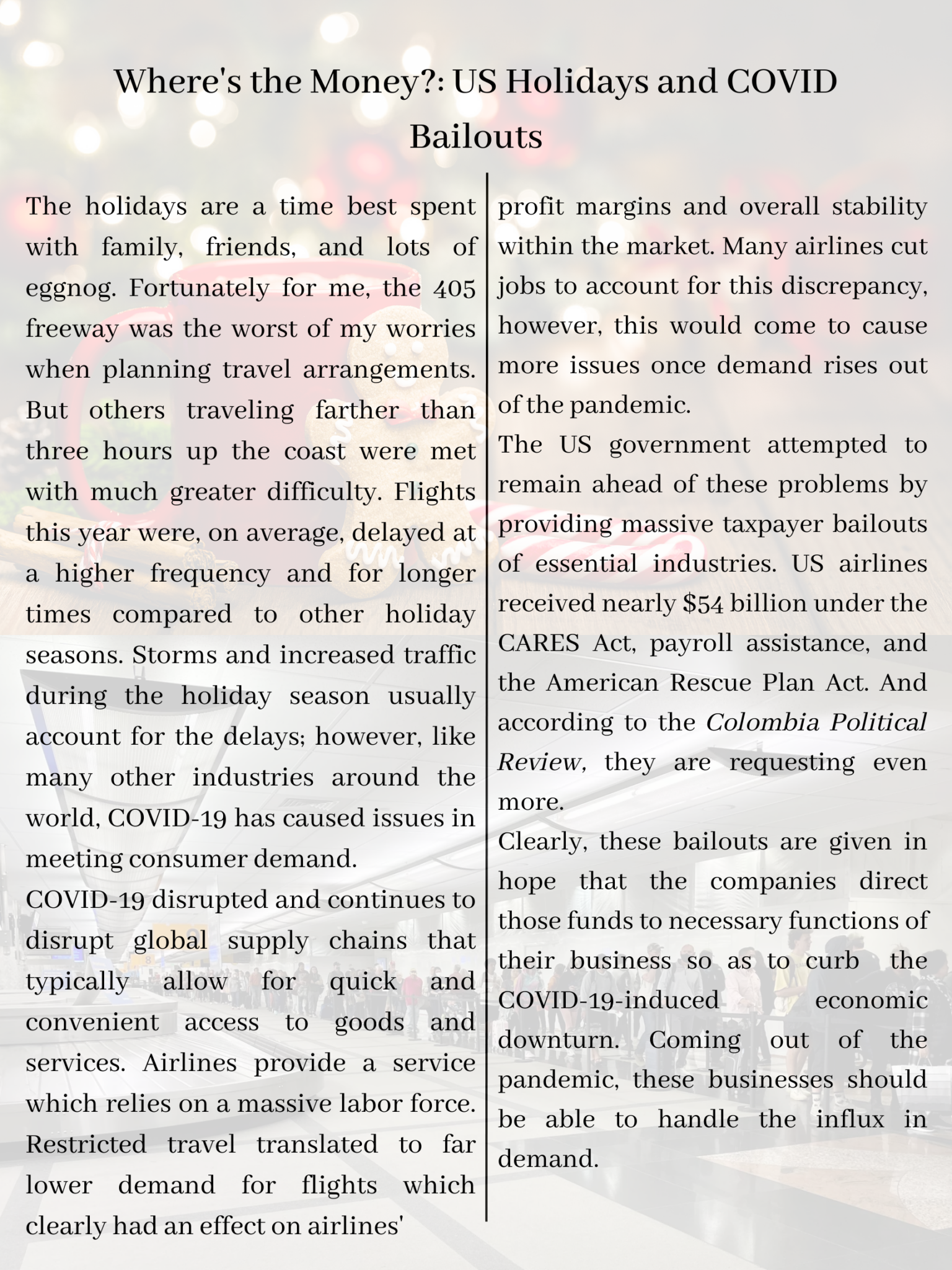
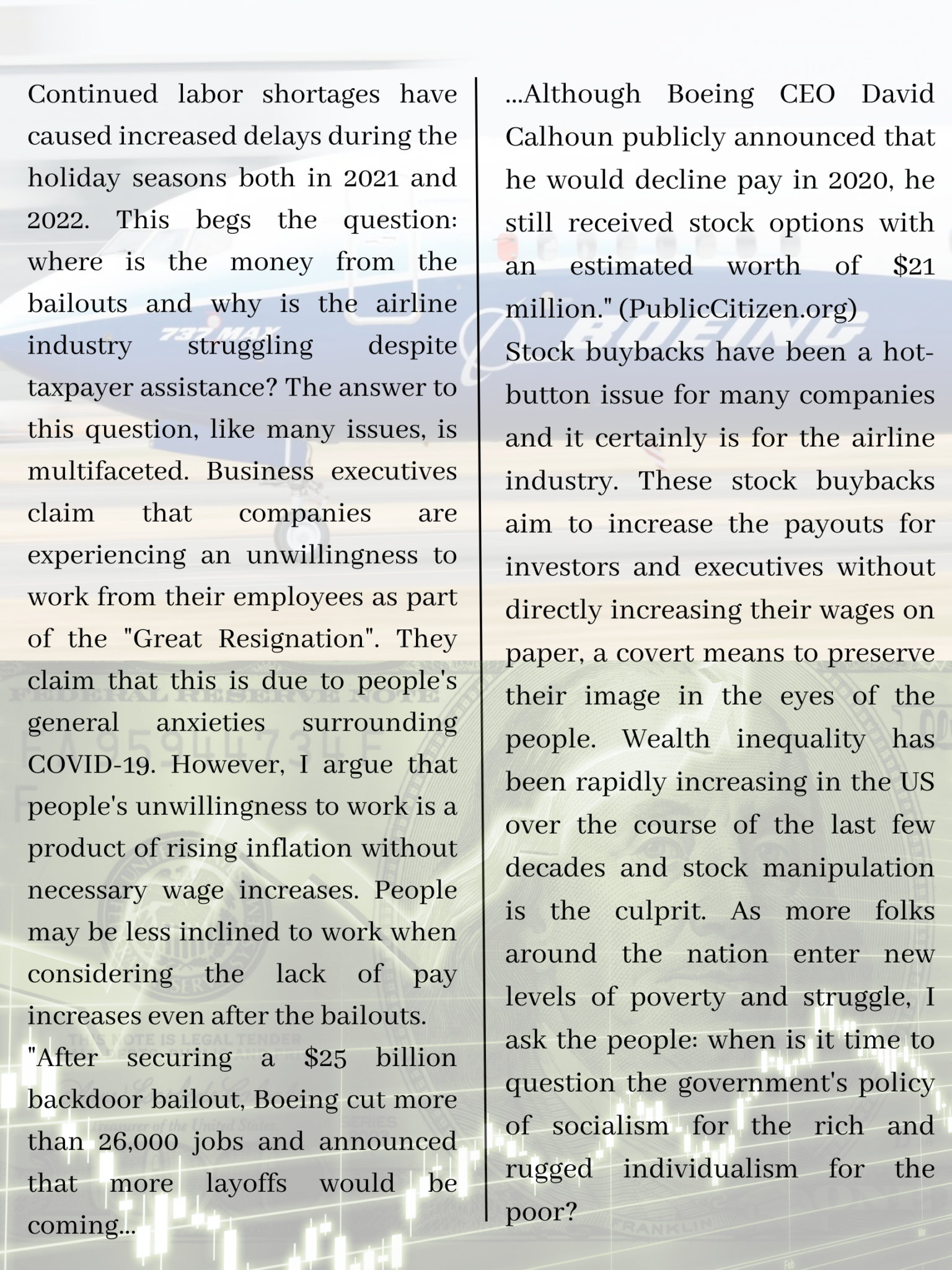
Where’s the Money?: Holidays and COVID Bailouts

Written by Fundraising and Technology Intern, Norbu Kangchen

Read more

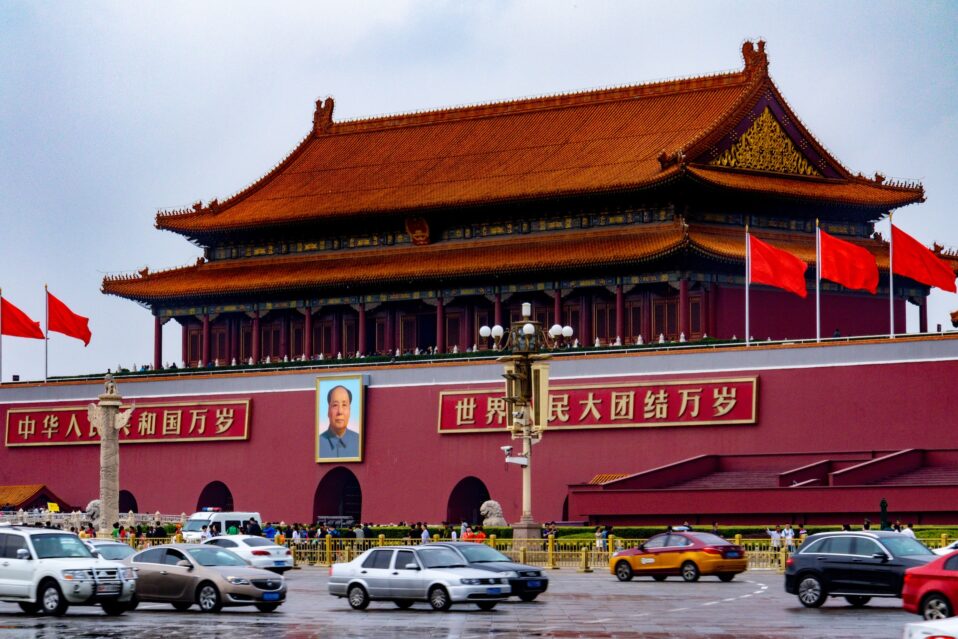
China’s A4 Protests: The Blank Paper Revolution

China has been in a tumultuous state since the coronavirus pandemic. Strict quarantine enforcement over the course of the last two years have left citizens feeling uneasy and have drawn more attention to human rights issues surrounding the Uyghurs, a Muslim minority within the country. Following an apartment fire at a Uyghur neighborhood in Urumqi, Xinjiang, China, where 10 Uyghur residents died, students gathered to hold vigils honoring the victims and protest the government. The fire’s high death count was suspected to have been in part to the strict Covid-19 restrictions that barred the victims in with the fire and slowed rescue attempts. 

A popular way students have been protesting while attempting to circumvent Chinese media censorship is through the “blank paper revolution”. Videos of protestors standing in solidarity holding pieces of white A4 paper have gone viral. Criticism of the Communist party government and President Xi Jinping have been mounting alongside the sporadic bursts of activism, and experts are viewing this as a possible turning point in Chinese politics. 

Written by Program Management Intern, Cindy Tse

Read more

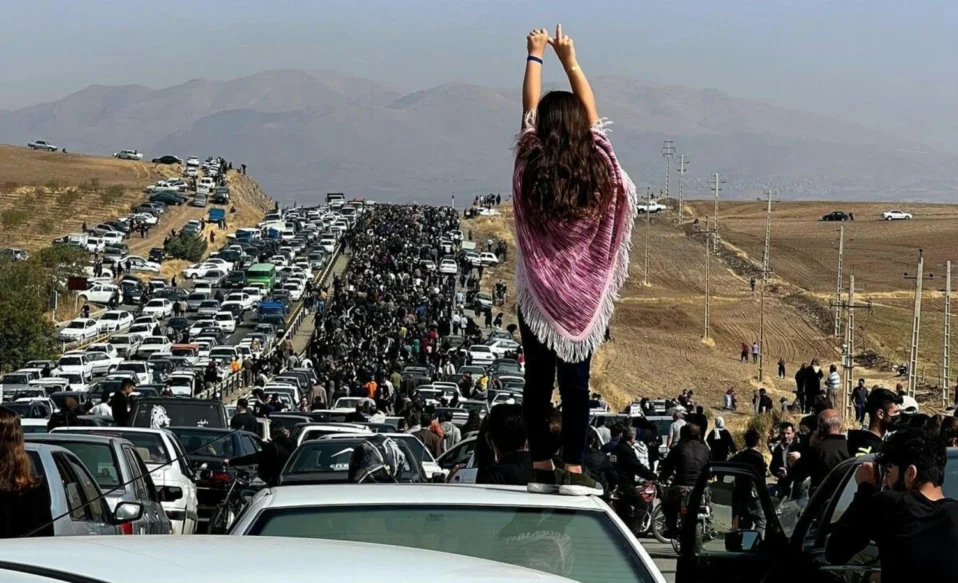
Civil Unrest and Violent Suppression in Iran

Written by Fundraising and Technology Intern, Norbu Kangchen

Read more

Russian-Ukrainian War: Zelensky Calls for ‘Open Diplomacy’

As the Russian-Ukrainian War continues to stretch on into its ninth month, negotiations between each sides’ respective leaders have continued to struggle. Ukrainian president Volodymyr Zelensky has been issuing daily updates to his citizens as the war continues on, and in his November 7th address, recently stated his terms for open diplomacy which included respect for the UN Charter, territorial integrity of Ukraine, and prosecution of war criminals. This has been a change from his previous stance that peace talks with Russia were an “impossibility” if done under Russian president Vladimir Putin. Ukraine’s current situation is complicated by its reliance on assistance from the United States, which recently underwent its midterm elections.The potential shift in political climate may alter the level of aid provided.

November marks an important time globally, with meetings such as the G20 summit and the ASEAN summit both taking place this month. Russian forces have retreated from the Kherson region, Though it appears the conflict will continue at this time, the recent turn of events have raised hopes that Russia is losing steam in its campaign. The Biden administration has not established a strong position on how Ukraine should proceed, but expresses hope that more fruitful peace talks can occur now that the winter months are closing in, posing a danger for troops and civilians still caught in the conflict.

Program Management Intern, Cindy Tse

Read more

Top Geopolitical Risks in 2020: Coronavirus Update | Time

Top Geopolitical Risks in 2020: Coronavirus Update Wei Liang—China News Service/Getty Images Coronavirus hasn’t just overturned daily life as we know it; it’s also upended global politics. I’ve been working on figuring out what coronavirus means for geopolitics beyond the immediate crisis that we’re in. As such, I’ve revisited our Top Risks 2020 that we published back in January and have updated them (the first time in our history we’ve ever done that) with the potential impact that the …

READ MORE: https://time.com/5807597/top-geopolitical-risks-in-2020-coronavirus-update/

Read more