How the events of September 11, 2001 shaped my understanding of the world, and ultimately the work I chose to do.
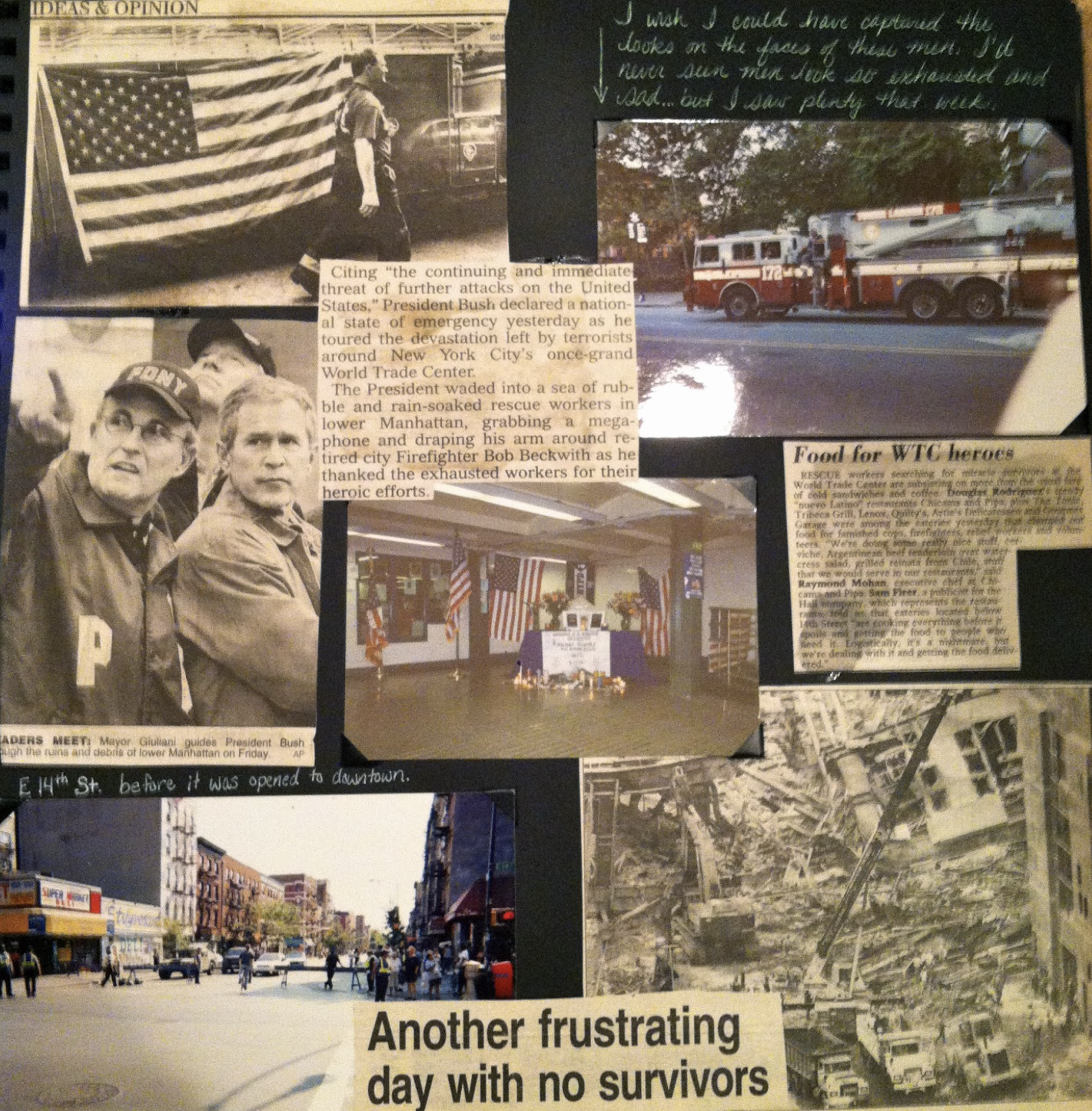
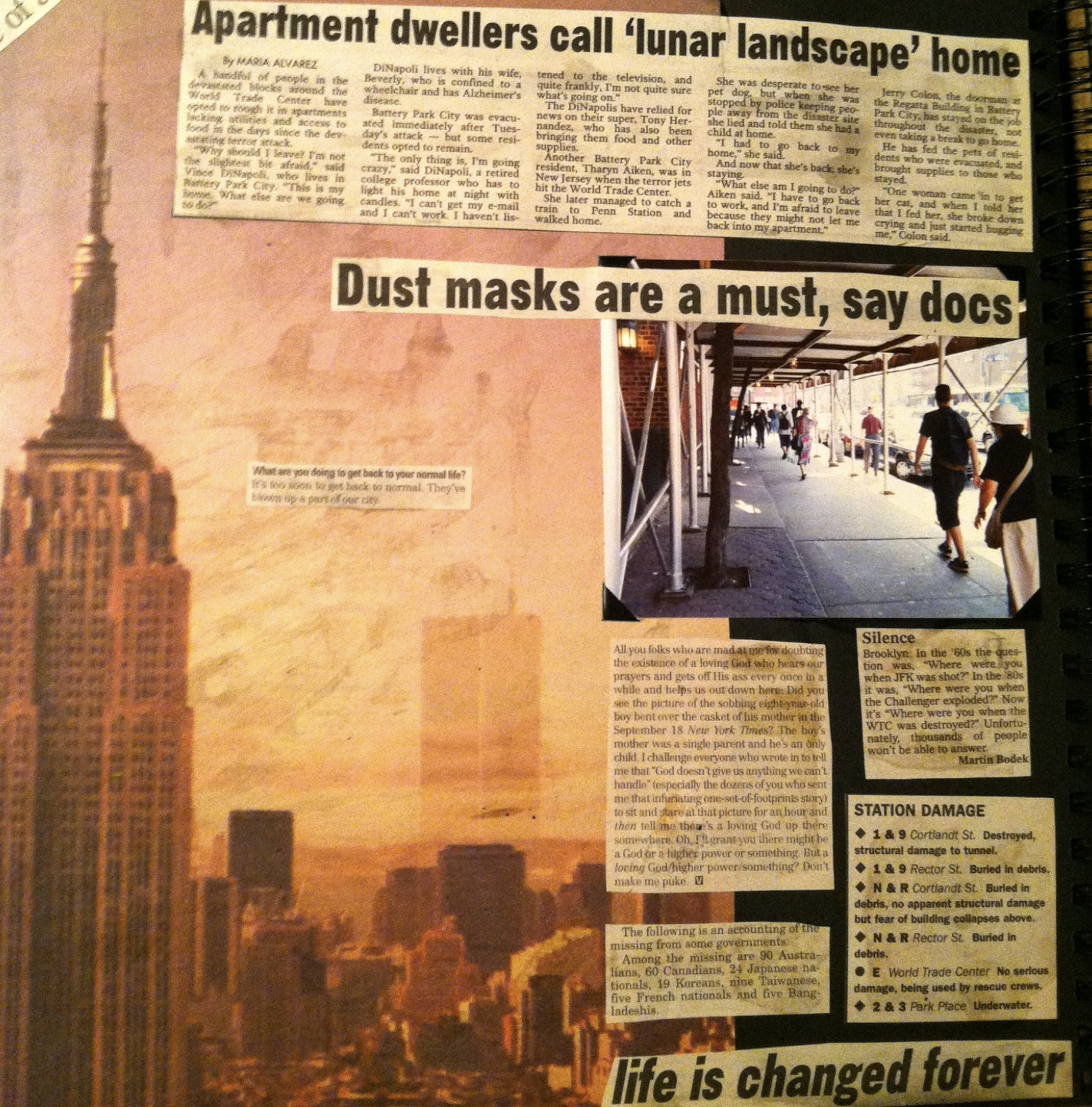
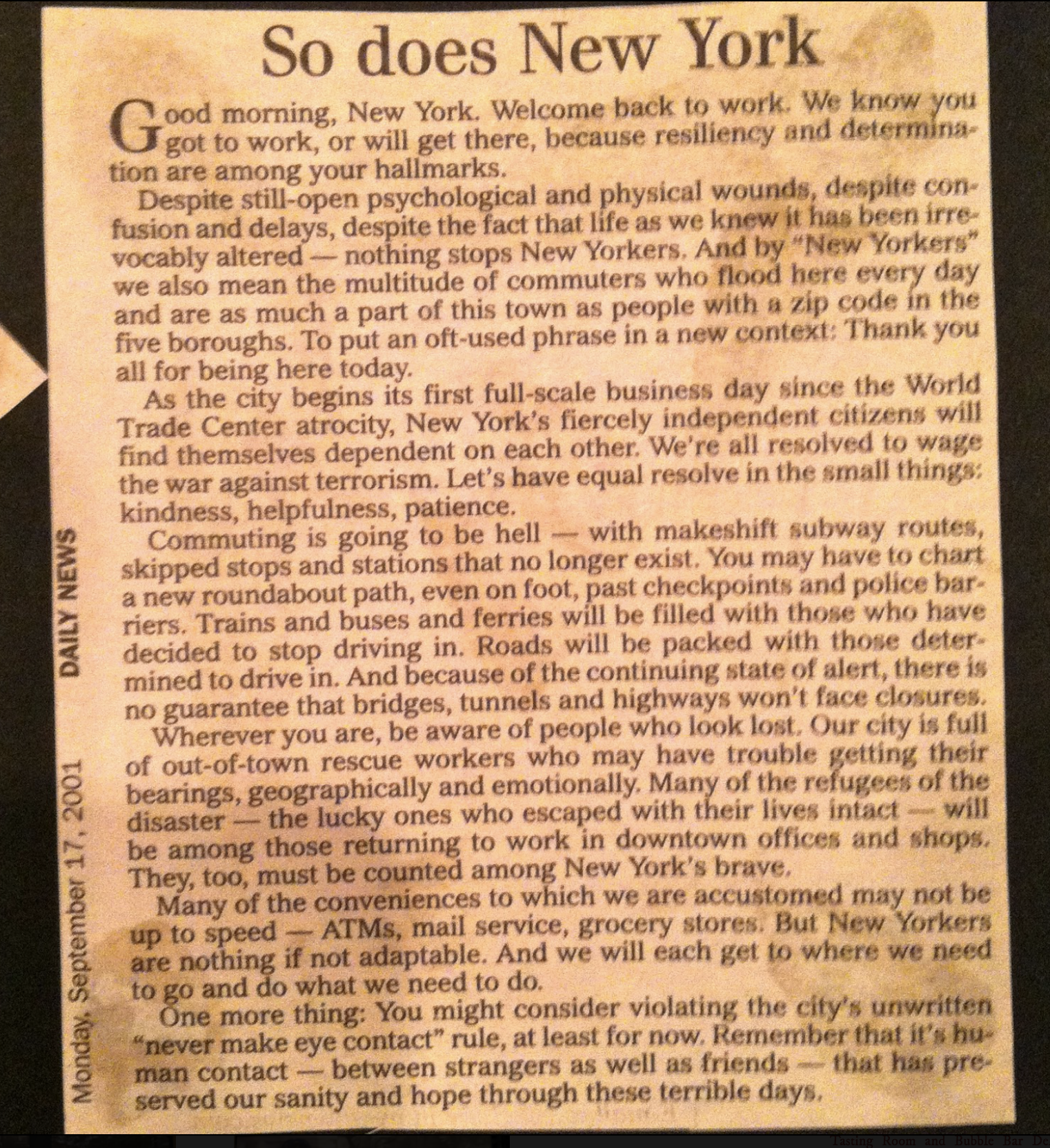
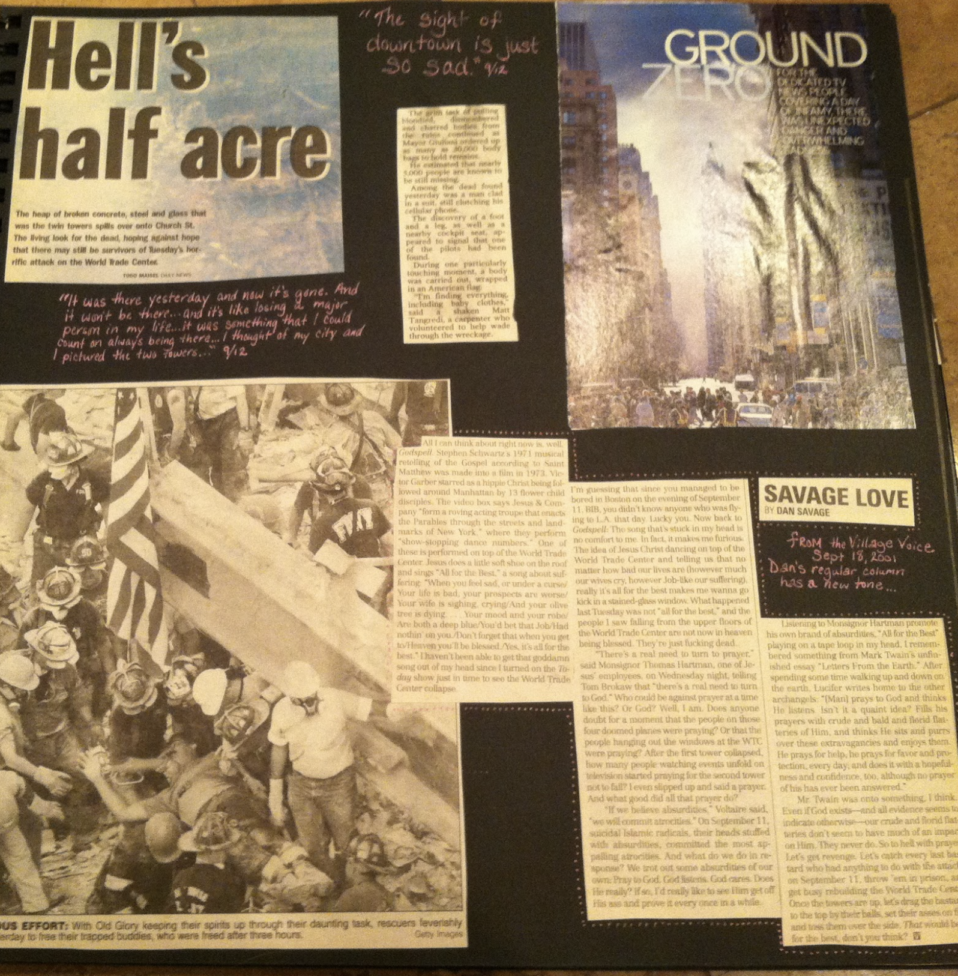
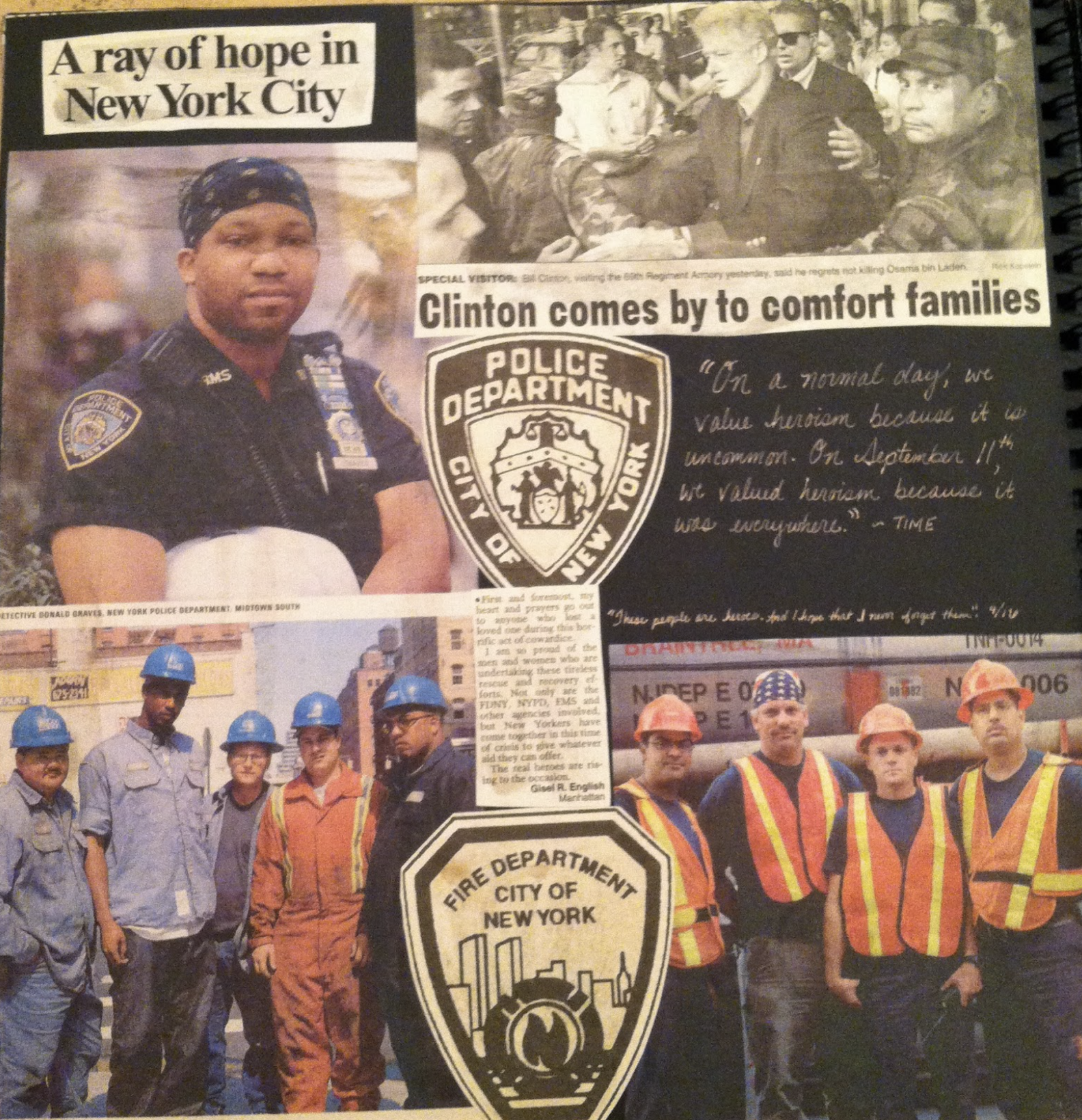
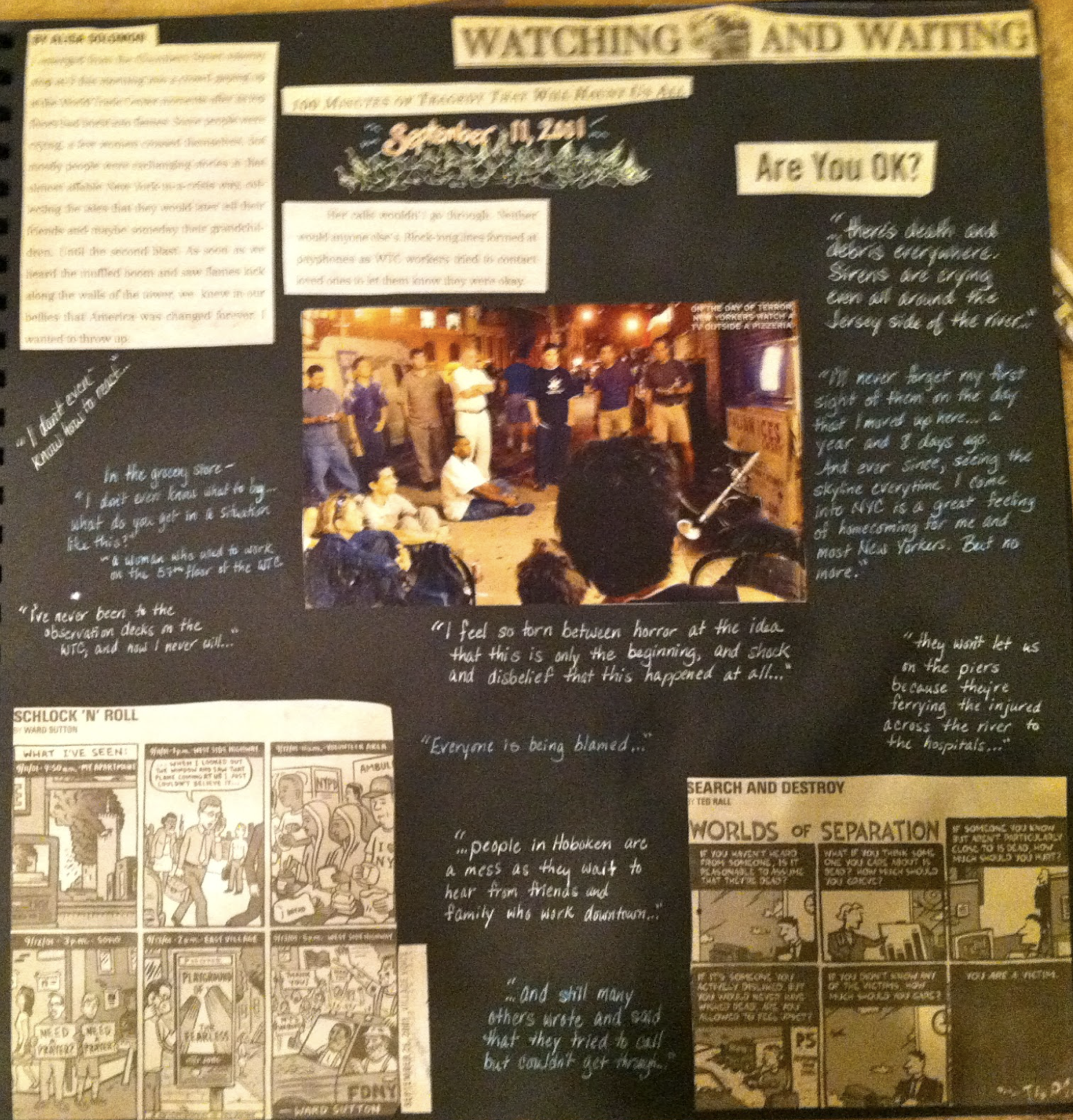
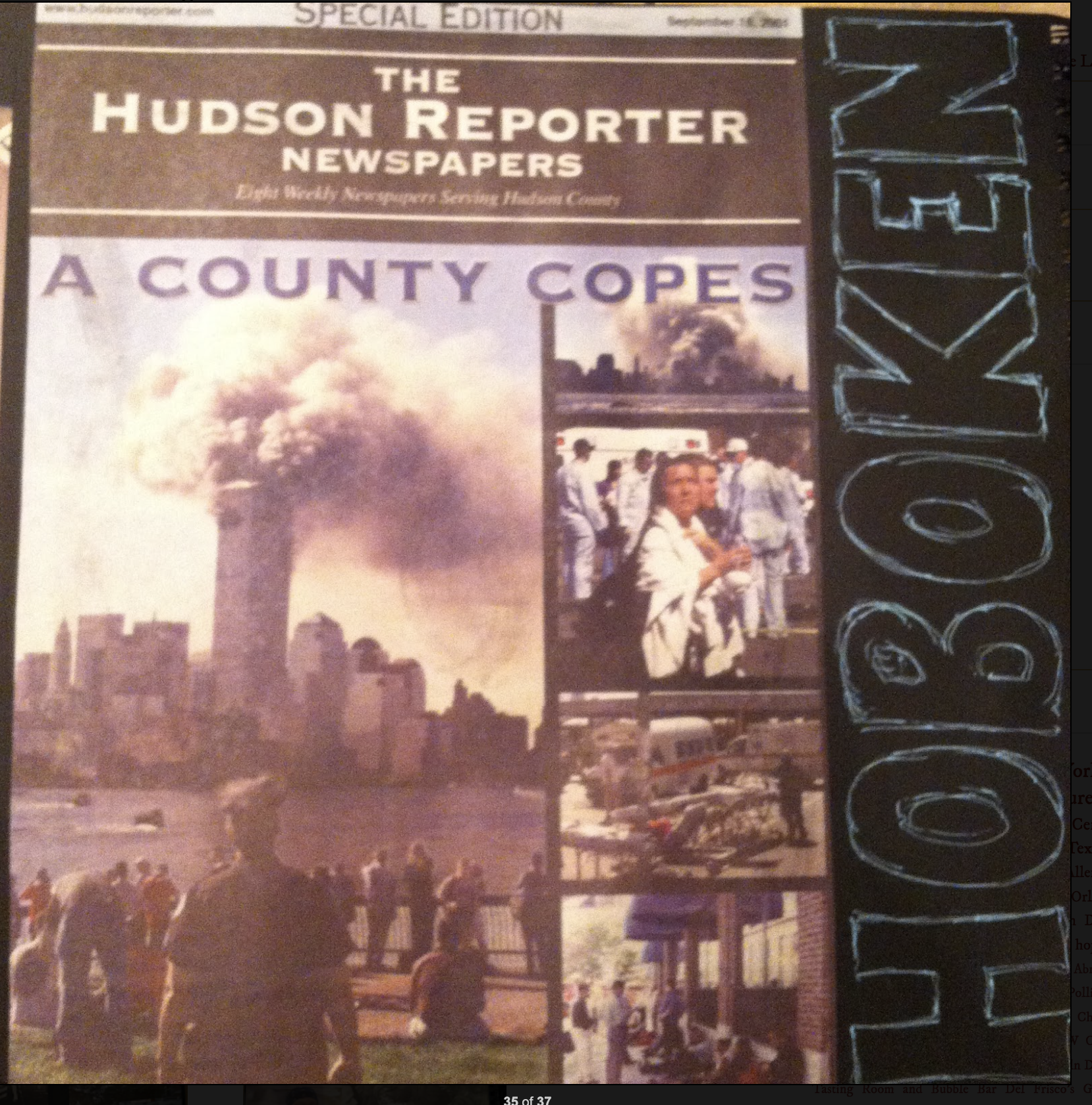
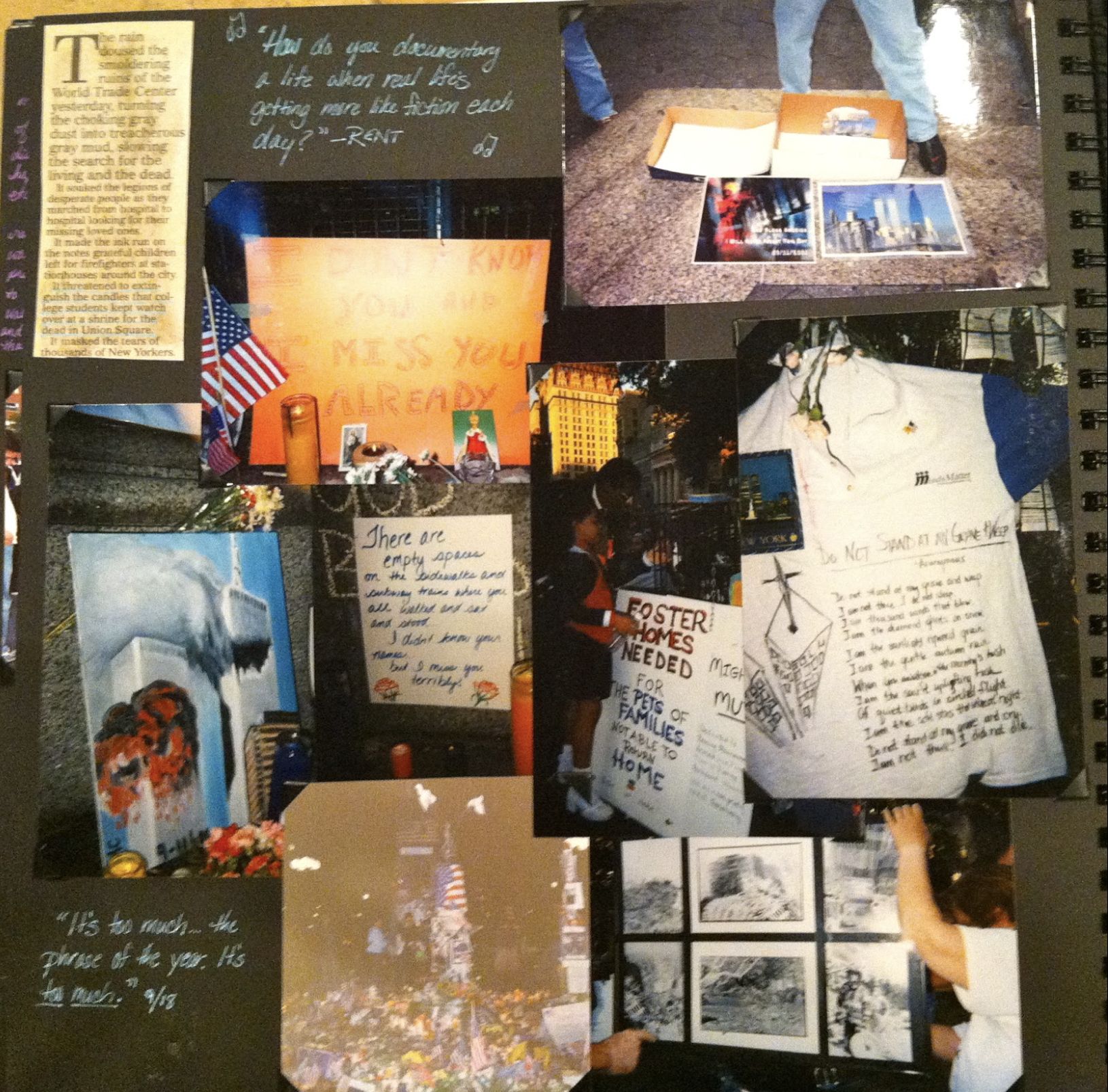
All photos in this post are from the scrapbook I kept in the days following the tragedy. The quotes, unless attributed differently, were from my journal.
Twenty-five years ago, I was 22 years old, living in a tiny railroad apartment in Hoboken, New Jersey, with spectacular views of Manhattan just across the river. I worked full time at a Barnes & Noble bookstore in Chelsea, and part time as a hostess at a restaurant near my apartment. Surrounded by interesting friends at the beginning of many different (mostly artistic) careers and from all over the world, I was figuring out who I wanted to be and what I wanted to contribute to the world.
We were all broke, but we were happy.
I had the day off on September 11th and was sleeping in when one of my three roommates (far more than the apartment should have fit!) woke me up because my mom had called on our landline to see if I was home, or if I was in the city.
“Look out your window,” she told me.
We went to the far bedroom facing east and saw flames coming out of the towers. Like most of us, we couldn’t imagine at that point that it was as big of a deal as it turned out to be, but we quickly dressed, ran down the stairs of our four-story brownstone building, and across the street to the pier, which quickly filled with a packed crowd.
Hoboken had direct commuter links to downtown Manhattan, with the PATH train and a ferry connecting directly to the World Trade Center. The pier was buzzing with curiosity and awe as we all tried to make sense of what was happening.
When the first tower fell, I remember the screaming.
I was screaming, as was everyone around me. Our knees buckled as we dropped to the ground, grasping for some sense of stability. That feeling still lives in my body, which I now understand is a common trauma response. Like every year since, I will be avoiding screens, social media, and radio tomorrow, as will many others with similar experiences.
The hours, days, and weeks that followed are still very real to me, and every year I assess how that tragedy shaped who I am and the work that I do.
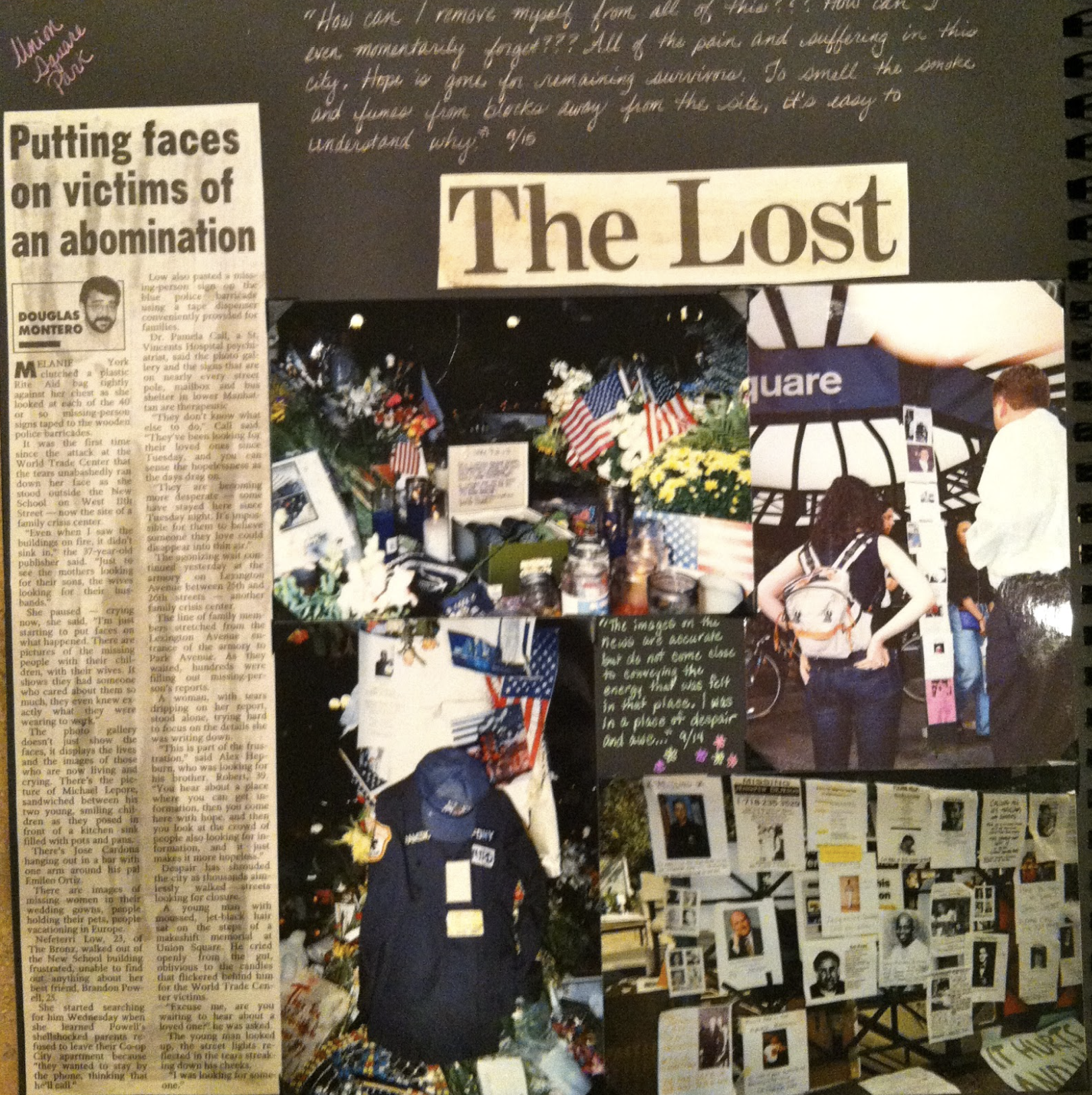
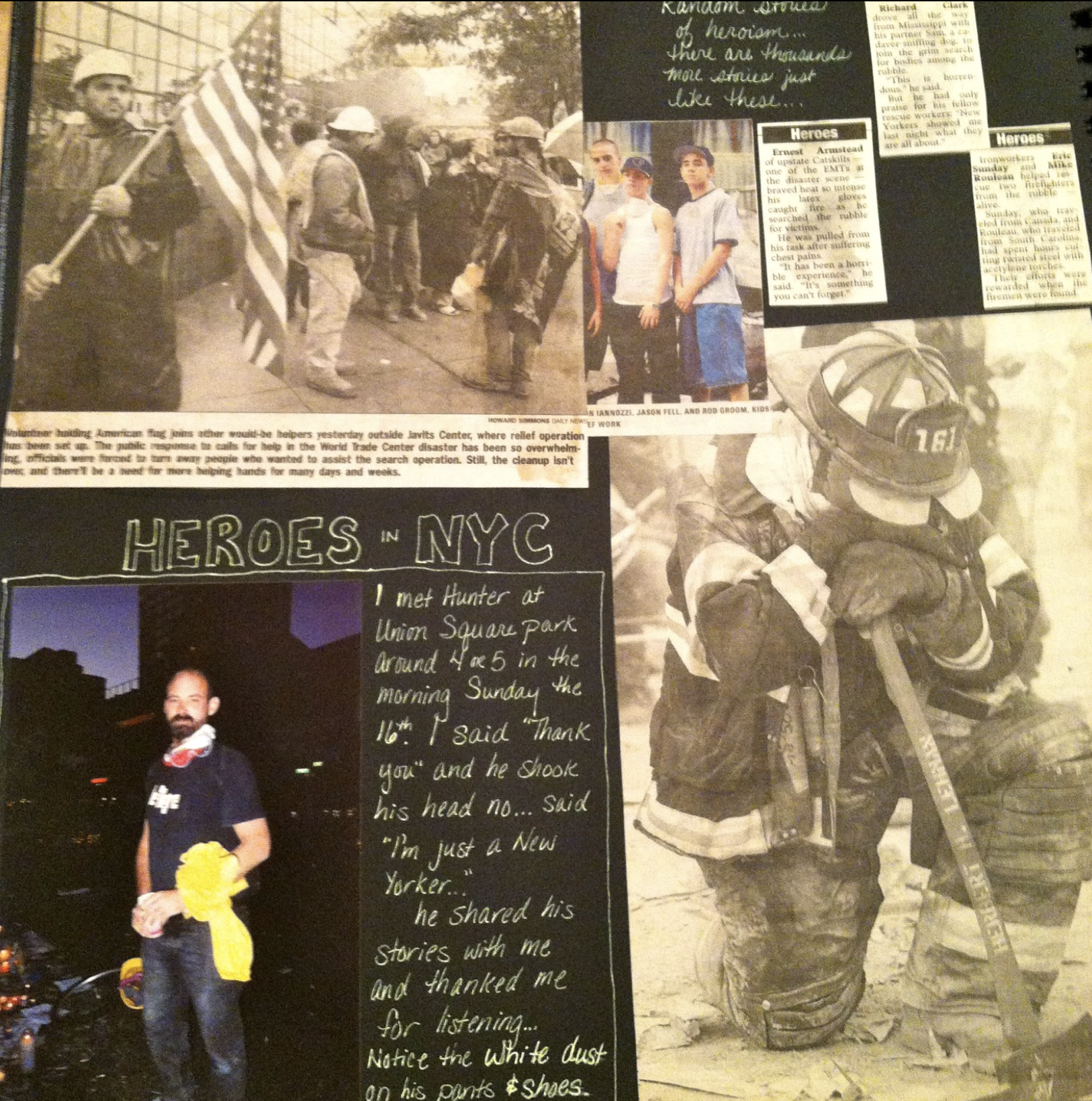
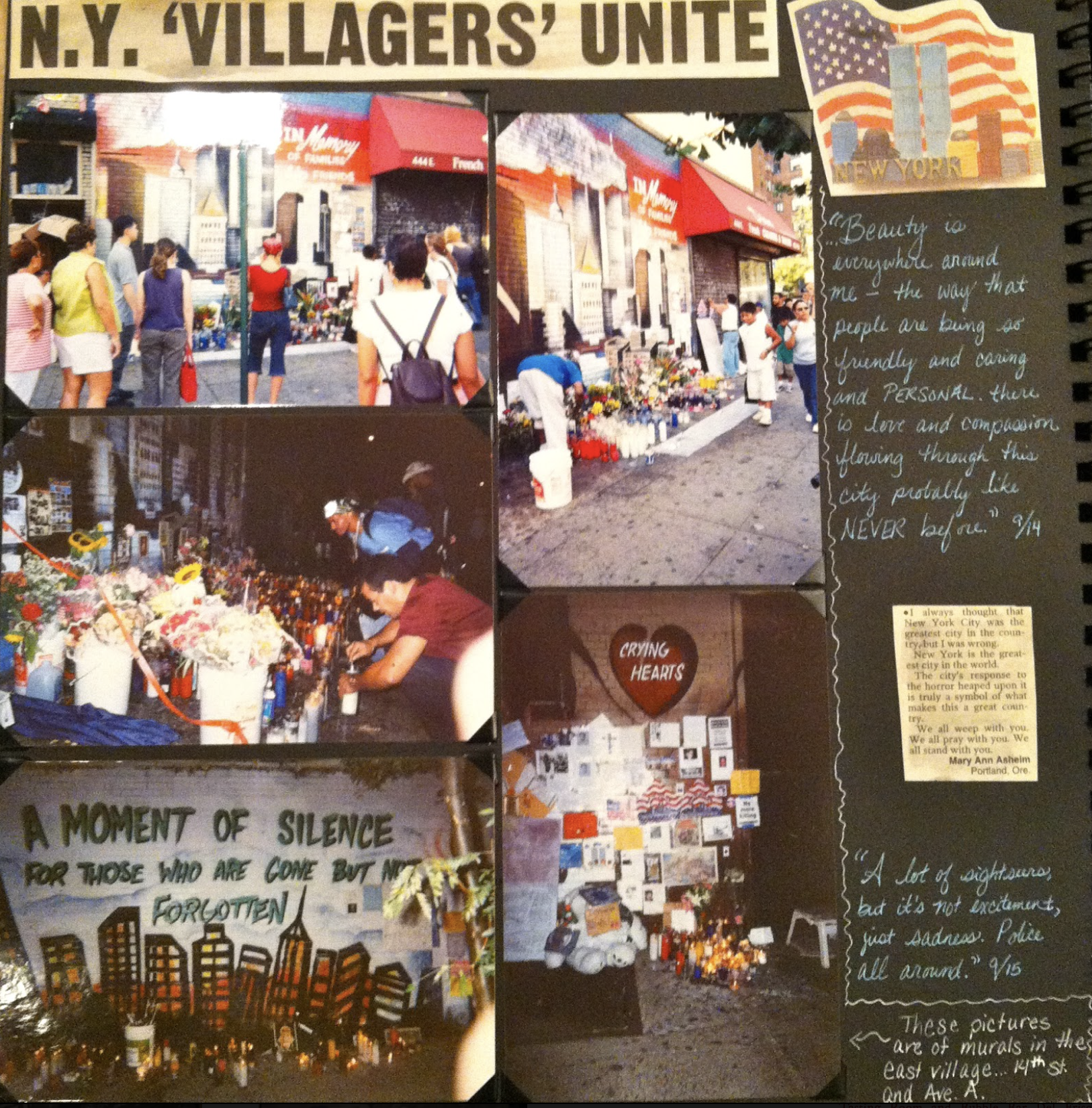
My instinct in high-stress situations has always been to gather information and figure out a plan, and that day was no different. Where were my neighbors and friends who worked downtown? Who else had been attacked? Would we be able to get out of town? What if the stores closed and we didn’t have enough to eat?
At the grocery store a block away, I carried a little basket and tried to think of what we might need if this was only the beginning. A woman I had never met cornered me, carrying her own empty basket and clearly in shock (as we all were), and asked, “What do I buy? What am I supposed to do? What are we doing?! Please tell me what to do!”
I slowly shook my head, and we both cried and embraced as I said, “I don’t know! But we have to do something, right?”
Many hours later, in the evening, neighbors started coming home after waiting hours for ferries to bring them across. They were covered in white dust, with tears streaming down their faces and clothes.
They looked like ghosts.
We all looked and felt like zombies, trying to figure out how to keep moving with no idea how.
Within our apartment, you could not have had a more representative cross section of different ways to manage grief. There was the roommate who was in complete denial that anything was wrong. There was the one angry at everything and everyone because this wasn’t what her life was supposed to be. There was the one making inappropriate jokes (the comedian, of course – SHUT UP, JOSH!, we would respond). And then there was me, who couldn’t stop crying as I reached out to anyone I could get ahold of to find out who was safe, while gathering whatever information I could from the news.
Once we were able to cross the river again, the way everyone in the subway car would hold our breath as we passed underneath is solidified in my memory. So is the way we looked strangers directly in the eyes, assessing danger and shared fear, but also compassion.
I’ve never had a very good sense of direction, so coming up out of a subway station and looking for the towers to determine which way was downtown was no longer an option. For some time, the smoke and debris rising from downtown took their place.
That cloud, which looked like a shroud hovering over the island, along with the smell of death and destruction, is still vivid in my memory. I don’t know that I will ever forget any part of it.
When commerce resumed and we were back at the bookstore (three of the four roommates worked there together), a new colleague arrived after the Borders store where he had worked at the World Trade Center was destroyed. He was supposed to work the morning of the attack, but had called in sick – hungover – changing the trajectory of his life. He is still one of my closest friends and would later officiate my first wedding.
It was hard for us to find meaning in work that suddenly felt so trivial, but finding routine again was important.
At the same time, our Muslim friends would arrive at work shaken from verbal and physical attacks they had experienced on their commutes. I watched people I cared about become targets because of fear and hatred directed toward people perceived to share a religion or background with those responsible for the attacks. That experience stayed with me and would eventually become part of my dedication to cross-cultural understanding and awareness.
My nervous system was too heightened to go home after my shifts, so I would walk to the memorial at Union Square, the furthest downtown non-residents could get, and spend long evenings there.
There were candles and music, photos of the missing, and makeshift memorials everywhere – an ongoing remembrance that felt very much needed by all of us who were still trying to process the profound loss.
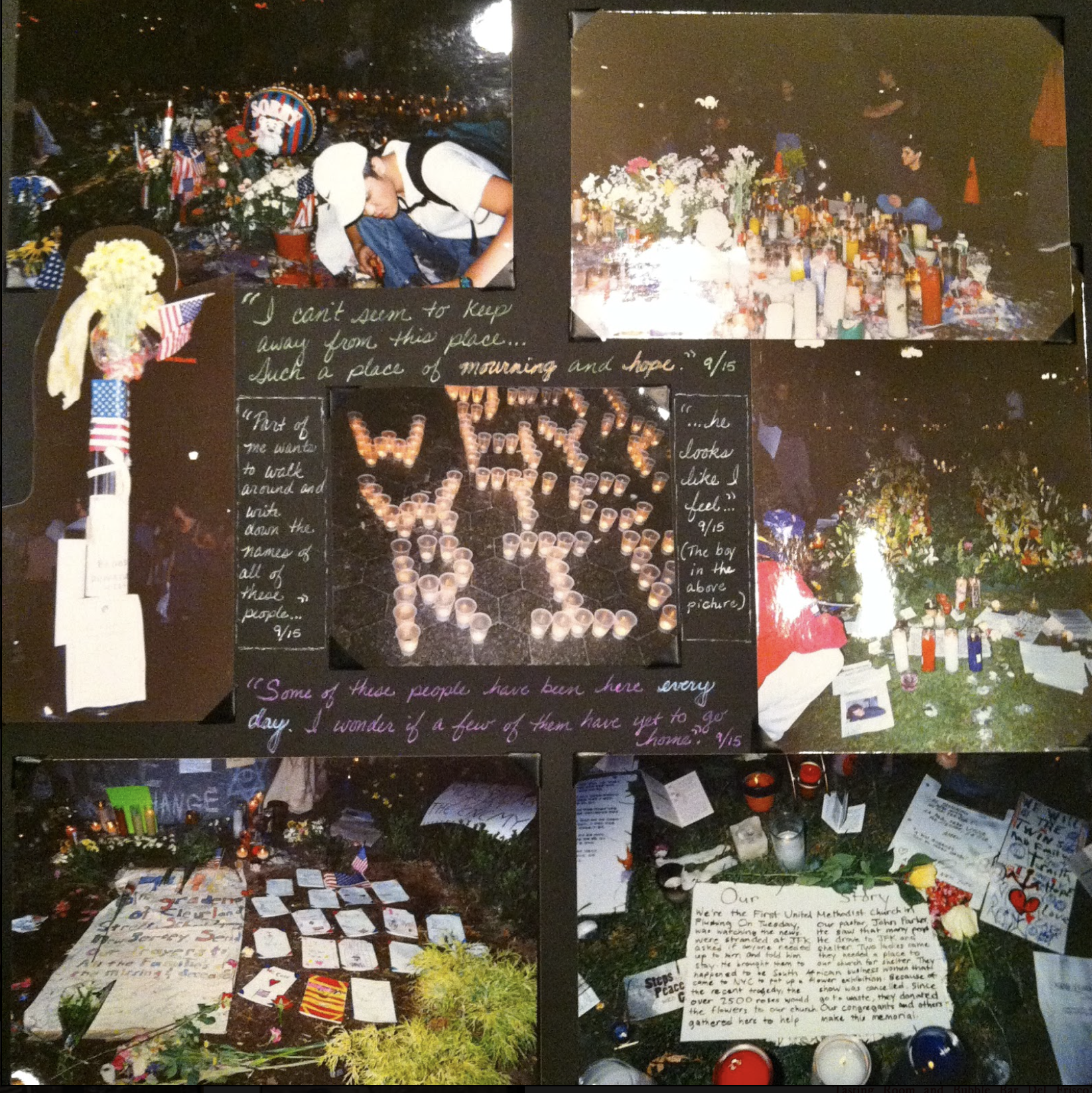
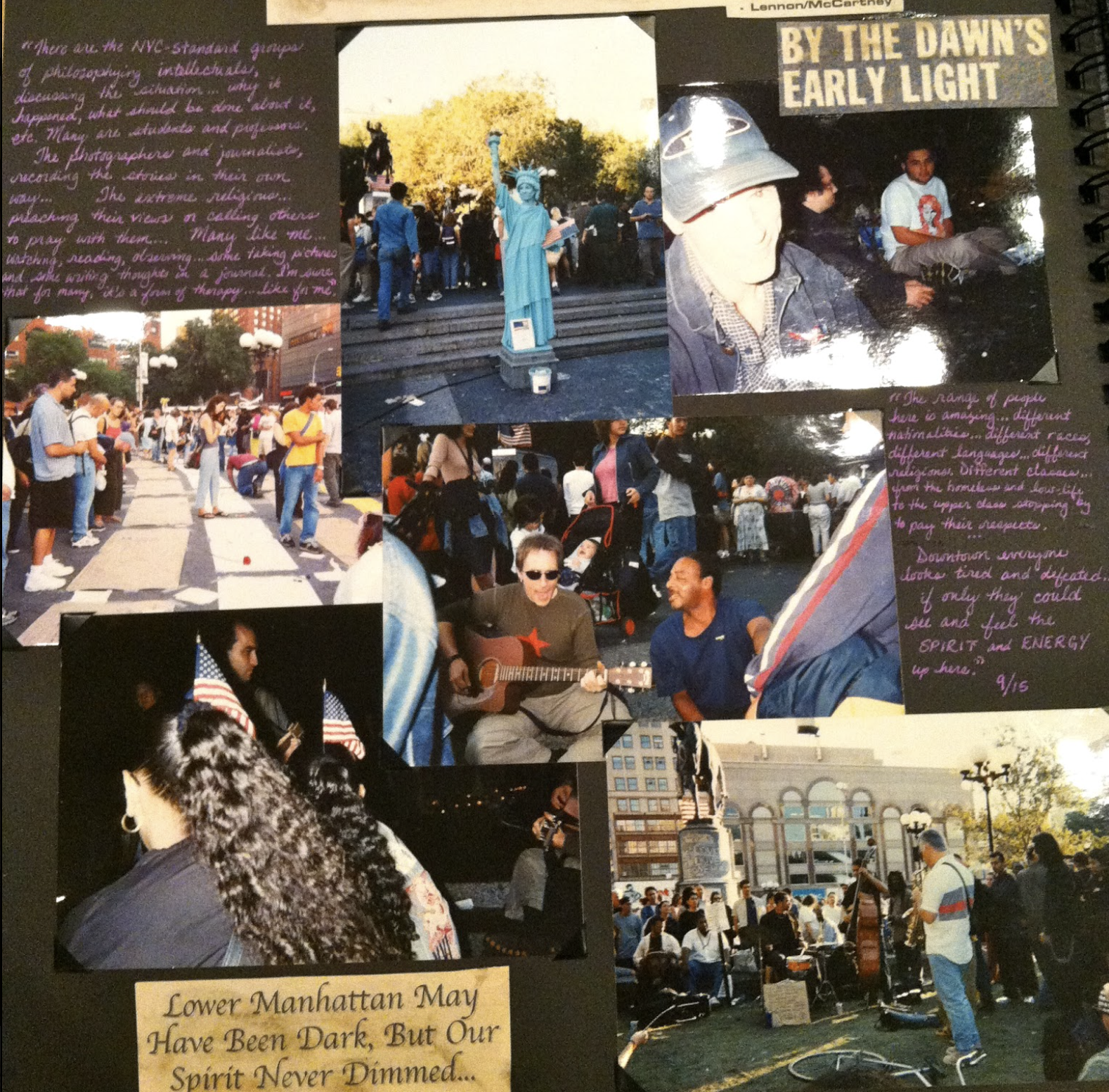
I would sit and talk with people who had spent their days working at Ground Zero. I learned to recognize them by the white dust still covering their boots and clothes. Some were big, grown men who would sit with me and suddenly break down in tears. They told me they weren’t ready to go home yet; they didn’t want to fall apart in front of their families.
So they sat in Union Square and talked to a 22-year-old stranger, and I listened.
I remember those conversations, and those men, very clearly.
I was not in the towers, not downtown, and I did not lose anybody directly that day. I know many with much “closer” stories to tell. But everyone has a story, and we were all affected differently.
This is my first time sharing publicly what my experience was, as I know there are now younger generations who need to understand. Even now, I have a deep unease writing this all down.
Years later, I had the privilege of meeting Andrew Card, the former White House Chief of Staff most remembered as the person who whispered into then-President George W. Bush’s ear that America was under attack. I heard him give a minute-by-minute account of what was happening behind the scenes at the highest levels of our government.
There was something surreal about sitting years later listening to someone recount from inside the White House the same events I had experienced as a frightened 22-year-old standing on a pier across the Hudson River, trying desperately to understand what was happening.
Looking back 25 years later, I can see how much that experience shaped the work I eventually chose.
It ignited in me a need to understand not only what was happening in the world, but why – to look beyond headlines, to understand other countries, cultures, and perspectives, and to resist the fear that can so easily grow when we don’t understand one another.
I didn’t know it at 22, but that instinct would eventually become central to my work with the World Affairs Council.
The work we do, creating spaces for people to learn about the world, encounter perspectives different from their own, ask difficult questions, and better understand the forces shaping events beyond our borders, has never felt abstract to me. I know how quickly something happening somewhere else in the world can arrive on your doorstep. I know how fear and uncertainty can bring strangers together, and I also know how easily they can divide us.
Twenty-five years later, I still believe understanding one another matters.
Thank you for reading my story.
Jayne Herring, President & CEO, World Affairs Council of Orange County