9/25/2026
Author’s Note: My name is Nathan Palomares, and I am the current news intern at the World Affairs Council of Orange County. Over the summer, after graduating from Chapman University with a Bachelor’s degree in Political Science, I participated in a travel-learning program in collaboration with the Peace Studies Department and the Center for International Experimental Learning (CIEL). I’m writing this reflection for the Council because my experiences align with the organization’s stated mission, and I wanted to share what it is like to travel outside one’s home for the first time and how my time at the Council helped me take a risk I will remember for the rest of my life.
During the Summer of 2026, I had the opportunity to travel outside the United States for the first time as part of a learning experience organized by the Center for International Experimental Learning (CIEL). The country we were going to visit was Bosnia & Herzegovina, in an effort to study the lasting impacts of the war in the 1990s and the various human rights violations that were inflicted upon the people.
This reflection on my time abroad will be broken down into three themes: human rights/international law, the importance of travel in gaining new perspectives, and the world we want to create.
Here is some background information about Bosnia and the war from the 1990s to better understand my own experience going into this travel program.
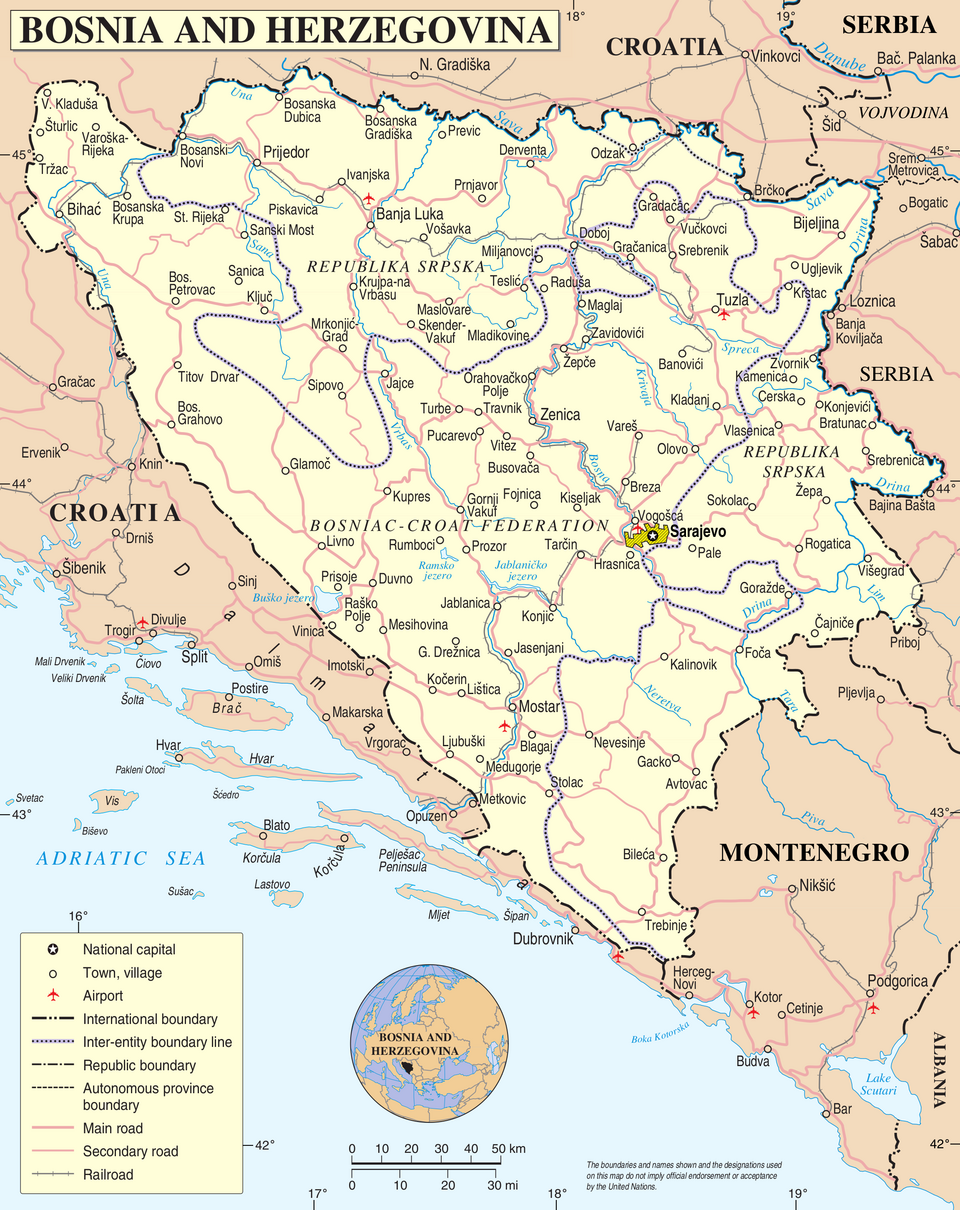
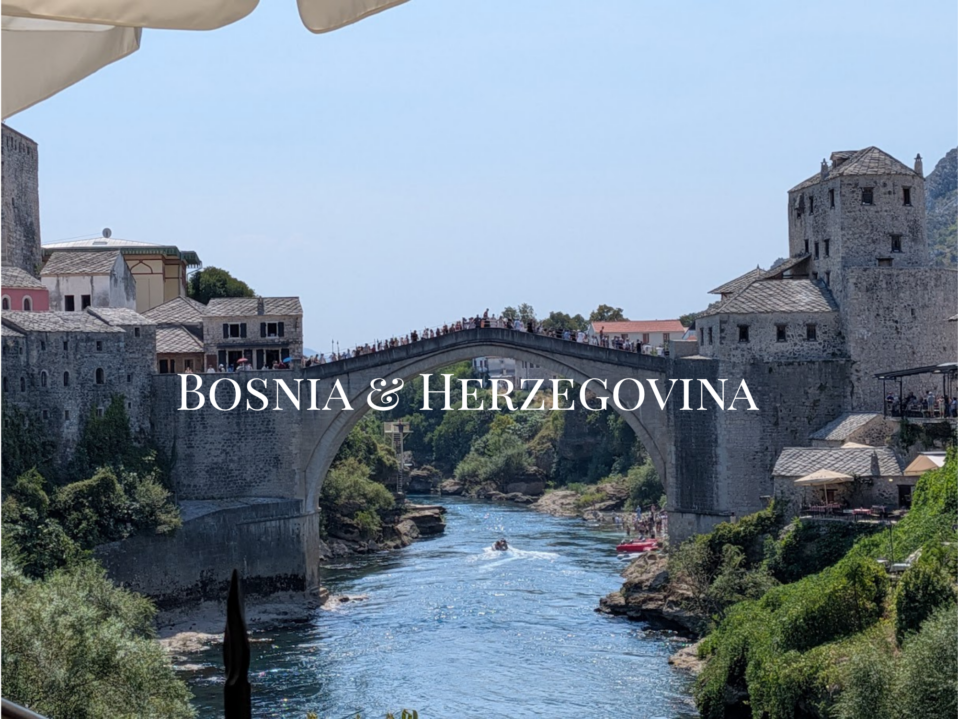
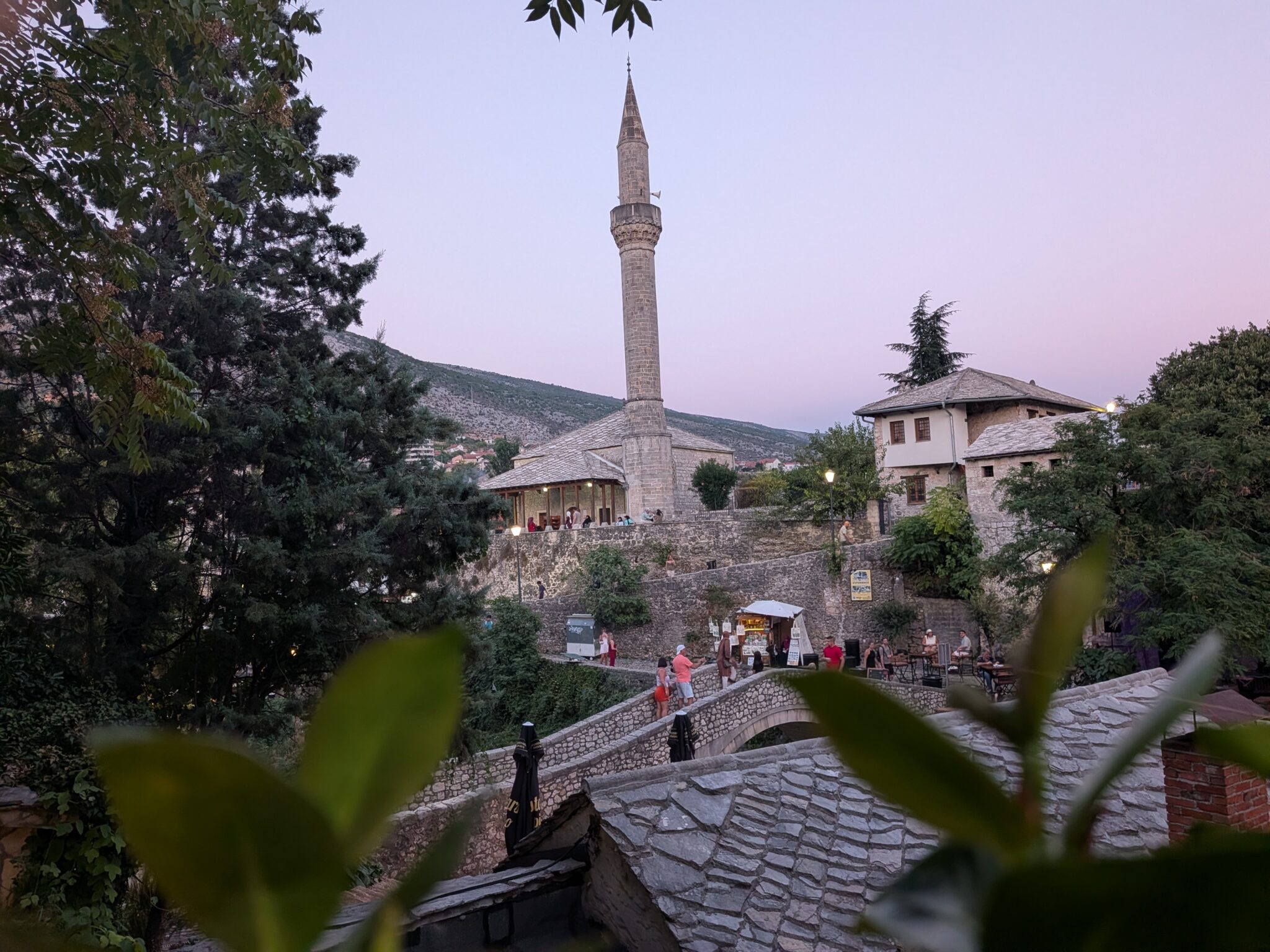
The country of Bosnia & Herzegovina is located in the Balkans region of Europe, with a long history of various empires and cultures settling the land. The two most prominent actors were the Austro-Hungarian Empire and the Ottoman Empire, leaving both a mark on Bosnia’s history and identity. As a result, when walking through the cities, one can see a split in the architecture of the buildings on each side of the streets, with one side being more Turkish and the other more Austrian.
Leading into the most important aspect of this history, the demographic/religious diversity that Bosnia inhabits was a crucial factor in the war. There are essentially three major ethno-religious communities that call Bosnia home. They’re the Muslim-Bosniaks, Orthodox-Serbs, and Catholic-Croats. After World War II, the socialist country of Yugoslavia was formed in the Balkans, with Bosnia being a part of it. During this era, many of the differences between communities were largely suppressed.
This was the case for decades until the collapse of Yugoslavia following the death of its leader, Josip Broz Tito, whereby by the mid-1990s, various new states were being formed, including Bosnia & Herzegovina. At the time of Yugoslavia’s collapse, nationalism began to rise, and as a response to Bosnia’s declaration of independence, Serbia and the former Yugoslav People’s Army decided to support the Serbs living in Bosnia in an effort to carve up the new country.
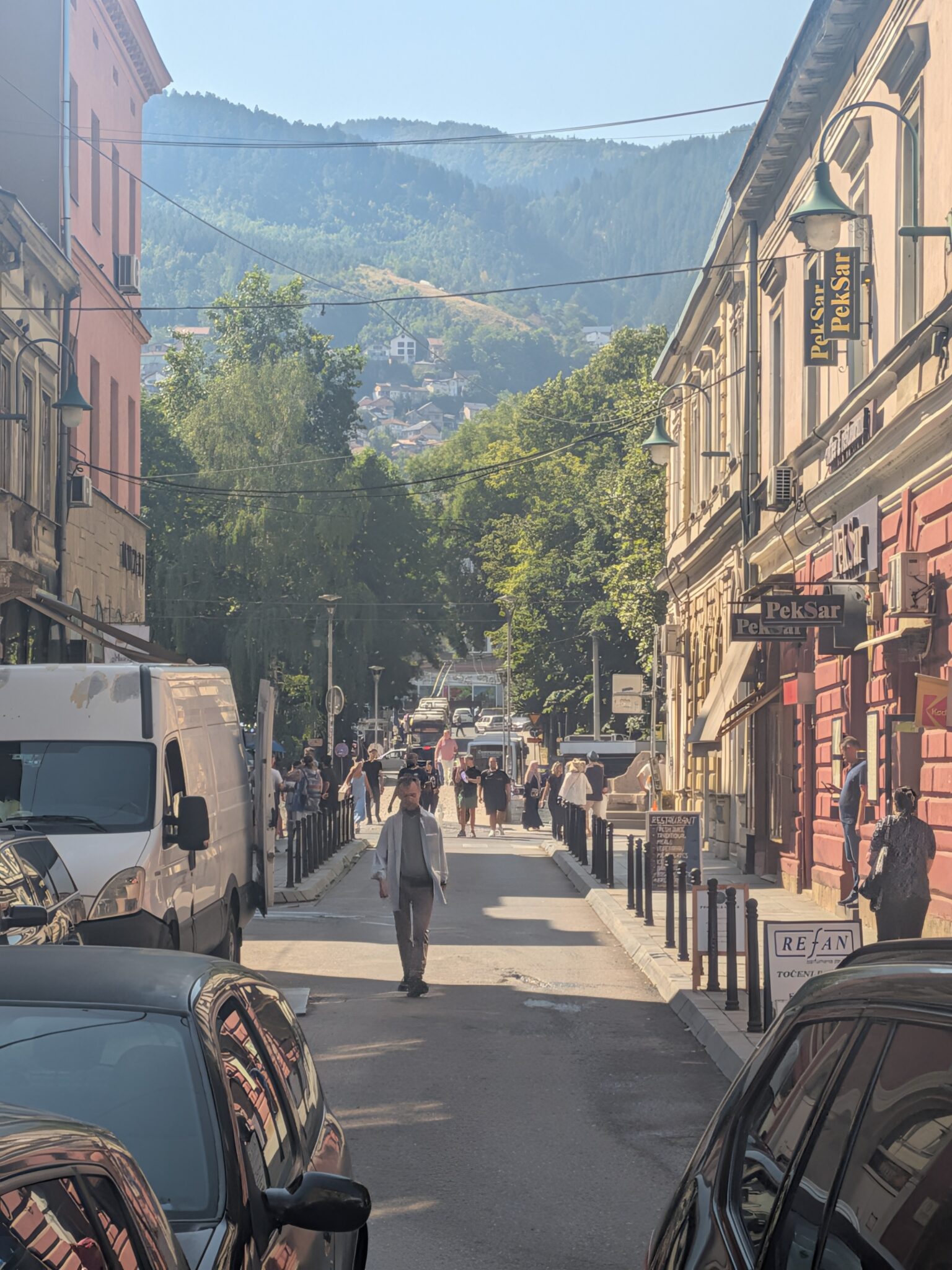
Which leads me to my program. During the Bosnian War, many mass atrocities and war crimes were committed in many instances, such as the Siege of Sarajevo and the Srebrenica Massacre. This history and the many individuals’ stories I heard led me to understand better concepts of memory, justice, and what it means to live in a post-conflict society.
The central issue that surrounded the program was the Bosnian Genocide, a horrific act of organized systematic violence that claimed the lives of mostly Bosniak civilians, coupled with a systematic policy of mass sexual assaults upon women and children.
One of the most infamous events that took place during the entire war was the 1995 Srebrenica Genocide, as designated by the International Tribunal for the Former Yugoslavia (ICTY) and the International Court of Justice (ICJ). My group went to visit the Srebrenica Museum, where we witnessed firsthand accounts of atrocities and primary source videos where innocents were being killed.
One incident was the Srebrenica Death March, where out of the 12-15 thousand men and boys who fled Srebrenica after it was captured by the Serb forces, only about 3,000 survived. During this time of the trip, a shock factor was present with disturbing images, videos, and stories of real people who experienced real, horrible things. One theme that kept coming up was the United Nations’ failure. Failure to prevent a war, failure to mediate a conflict, and failure to stop a genocide 50 years after the Holocaust.
How did the greatest creation of the Liberal International Order fail to uphold human rights and international law?
Is a question that is forefront and center in my mind. As someone born and raised in the United States, I am often taught the importance of the rule of law and international cooperation, where we are also led to believe that within the halls of international institutions lie a professional system of efficient bureaucrats that will uphold international law and do what’s right for the world.
However, it is evident from recent world events in Gaza, Ukraine, and Venezuela that international law may be sidelined in the interests of different, often powerful actors who view this international institution as a roadblock to power.
Which leads me to my experience from traveling outside the U.S. for the first time. The opportunity to travel is something I believe everyone should take. It can challenge your biases, foster cultural awareness, and most importantly, open your mind to a non-U.S. perspective, which may lead to a more informed and nuanced view of the world.
As someone who wants to work in an industry centered around international affairs, I couldn’t have been more excited to travel on this program to gain that experience. For example, when our news media back home discusses internal conflicts within other countries, they usually frame it as the ethnic groups within the state have always been at each other’s throats. Famously, a few years ago, the U.S. President Donald Trump made a claim that the Kurdish ethnic group and Turks have been “fighting for centuries”.
This mentality that we are often fed by the outside world is arrogant, for sure, but it reflects an American exceptionalist perspective where only bad things, such as the Bosnian Genocide, could happen “over there”. So it was a pleasant surprise that once I actually went “over there” and talked with the locals, I learned of Bosnia’s diverse history of communities living in relatively peaceful coexistence before the war.
One story I remember is from when my group visited one of the oldest synagogues in Sarajevo, and our tour guide told us about the Muslim and Jewish women of Sarajevo during World War II, who offered Jewish families their Niqab (a type of Muslim covering for women), in an effort to trick Nazi occupiers. This was the first time I had ever heard of this story, and it really offered an alternative to the narrative I grew up hearing about a perpetually conflict-affected region with “backward peoples” who can’t live with each other.
It was a story of hope, love, and community, which was important to hear when surrounded by people who have gone through hell.
When I reflect on my time in Bosnia and hearing personal accounts and survivor stories, I often feel frustrated and confused about how the conflict and international response played out. As I have mentioned, the U.N. and European states failed to prevent a genocide and uphold human rights for Bosnians. International law was disregarded, individual and institutional interests were put above human dignity, and, most of all, this analysis of the conflict raises a question in my mind: what kind of world do we want to create?
As of the writing of this blog, America is at war with Iran, Russia is still attempting to seize territory in Ukraine, Yemen is still facing one of the world’s worst humanitarian crises, the rising climate is driving climate change that will affect the earth for years to come, and countless crimes against humanity are taking place, ranging from Gaza to Myanmar.
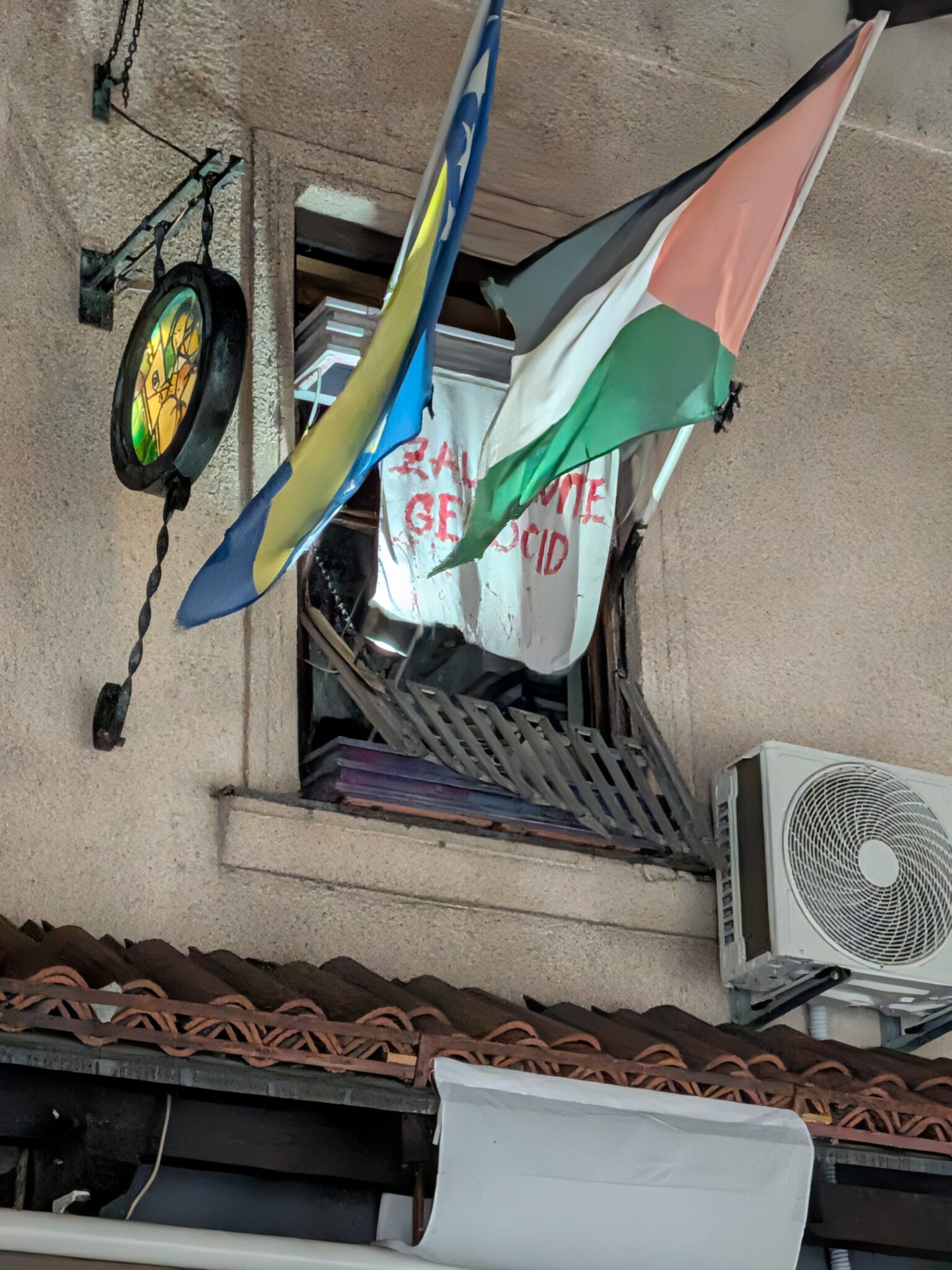
While all these crises may seem daunting and beyond our control as individuals, one thing I was taught in Bosnia was that we, as people, have the power to change. We can live in a world where international law and human dignity are respected, where we can settle our differences without so much bloodshed, and where we can create a world in which every human, every culture, and even the earth are respected.
Despite facing many terrors, the people of Bosnia & Herzegovina are resilient and have even found a way to demonstrate their resolve through art.
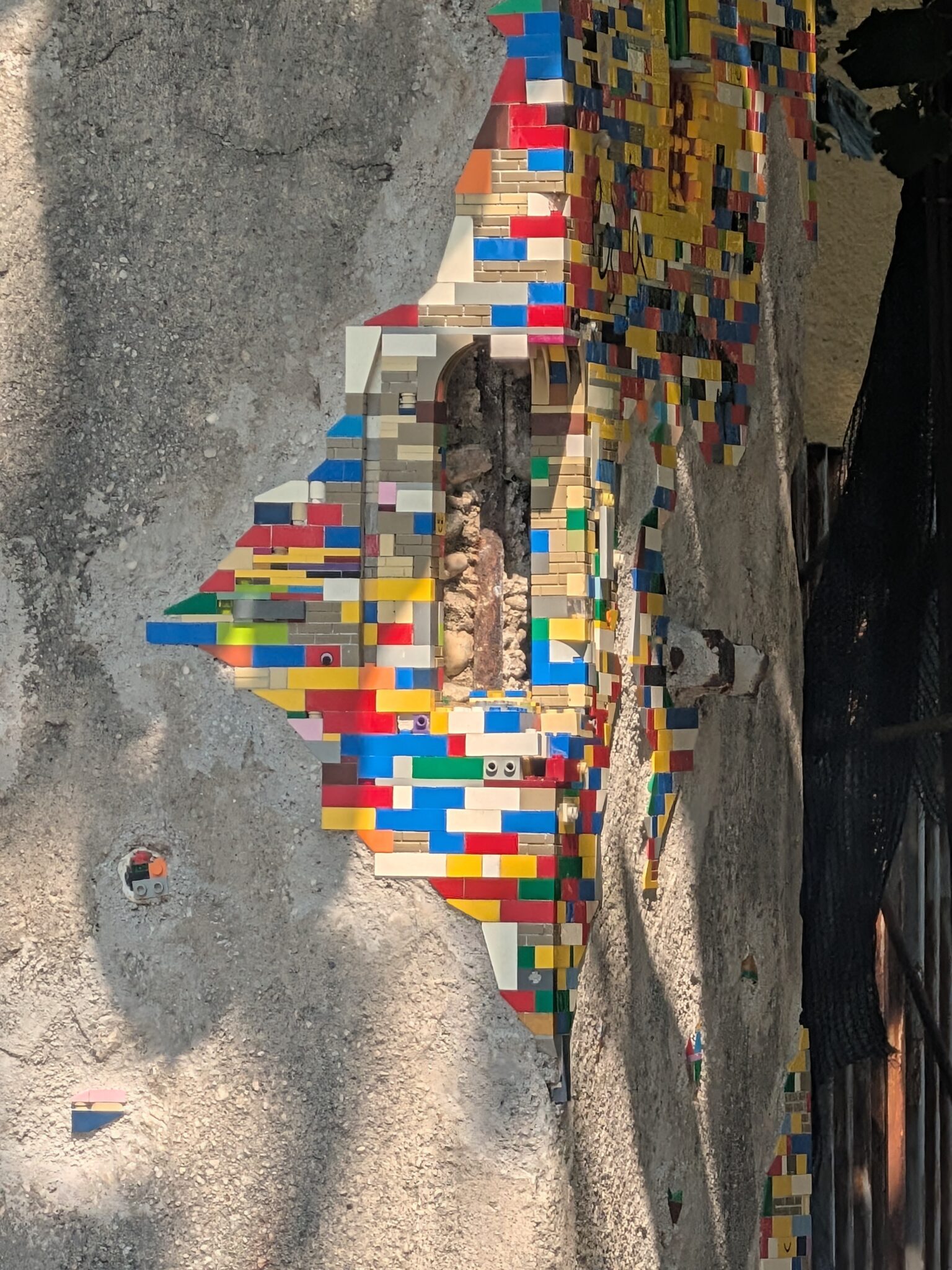
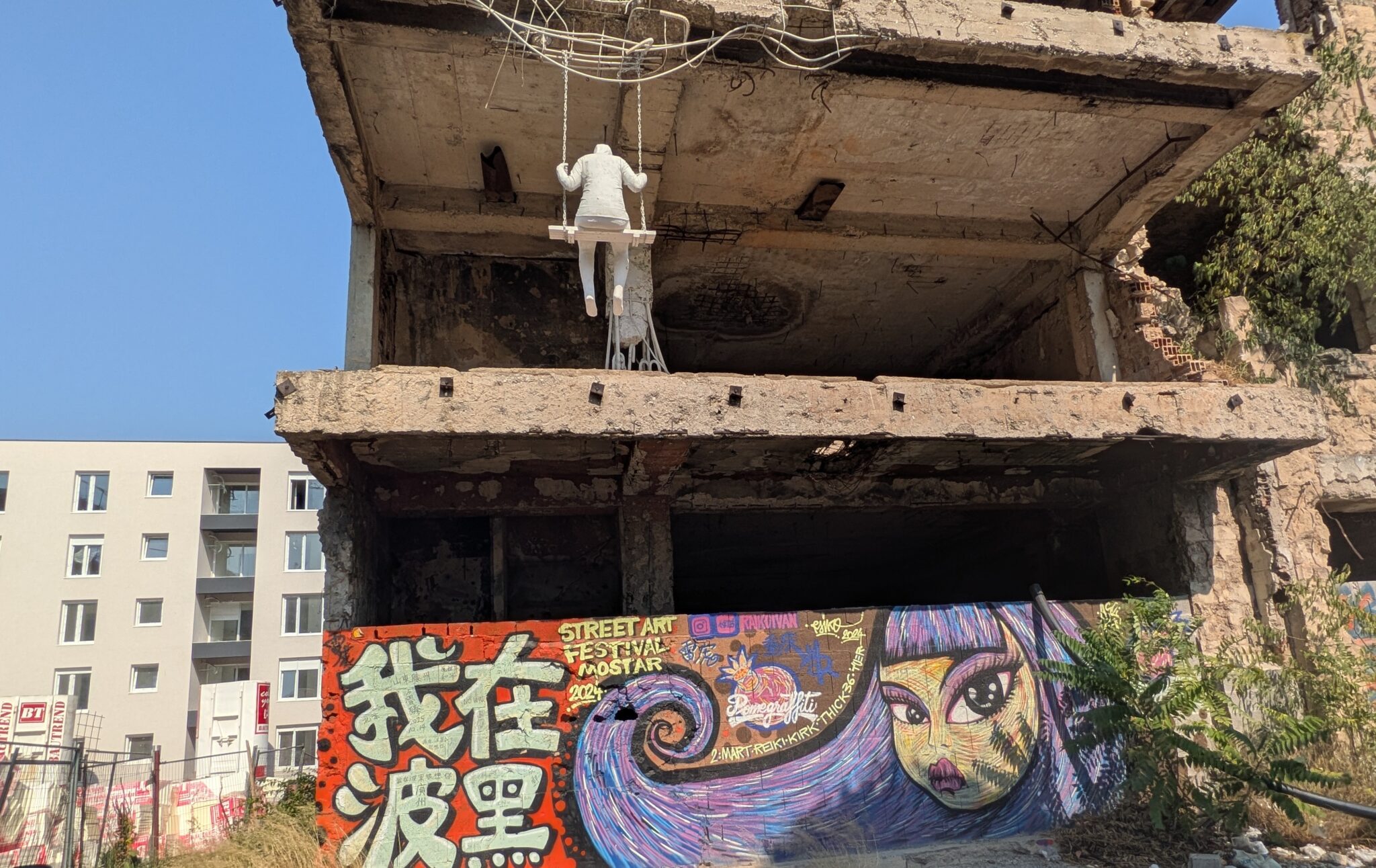
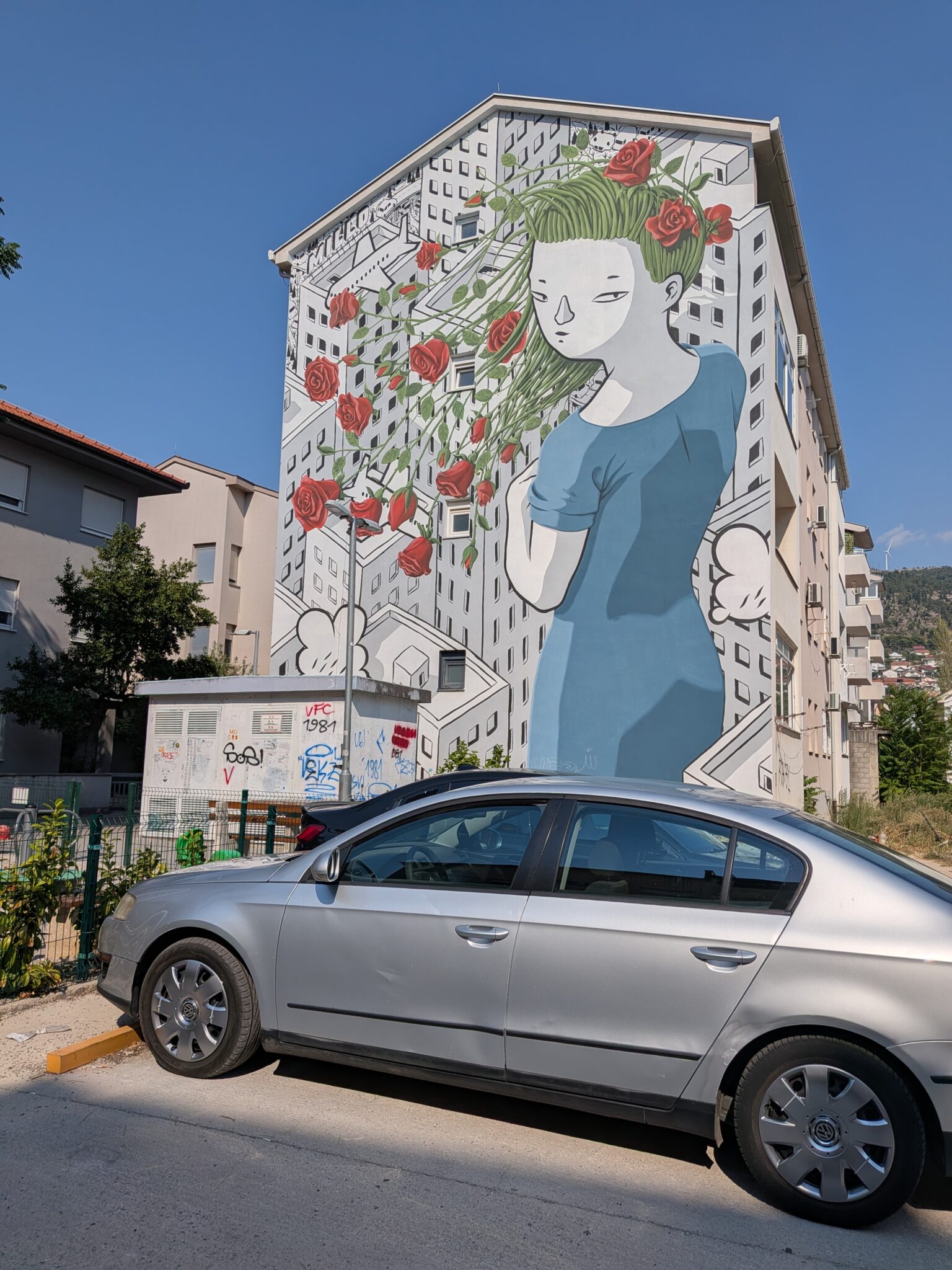
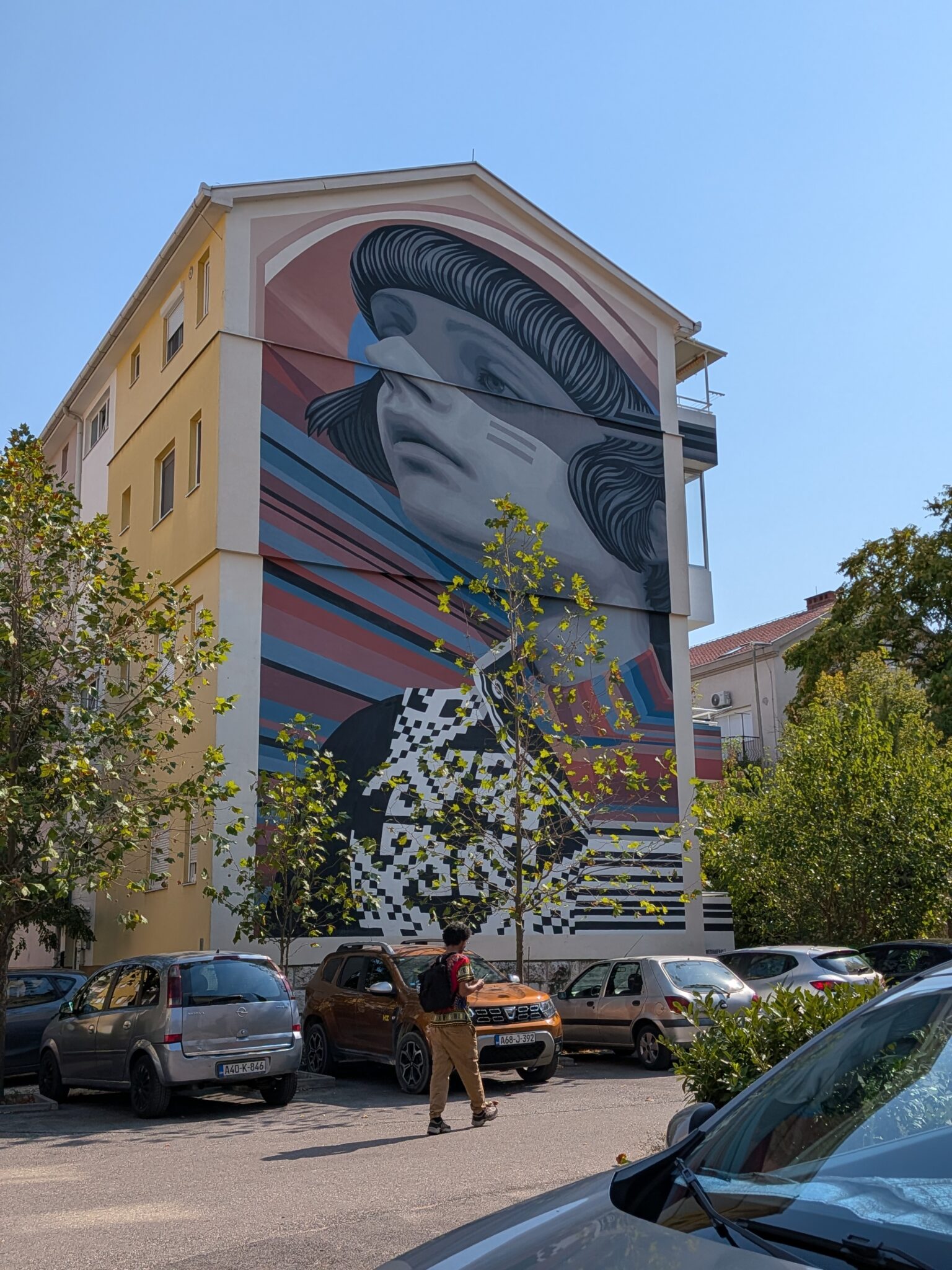
In the remnants of war, I found that through street art, beauty can sprout again, reclaiming dignity and faith in humanity.
While most of international politics has viewed the state as the only actor on the world stage, in our contemporary world, non-state actors and civic groups have begun to gain more relevance. This means that we don’t have to rely solely on states and politicians to create a better world. We must organize to leave the world better than how we were born into it.