
By Nathan Palomares
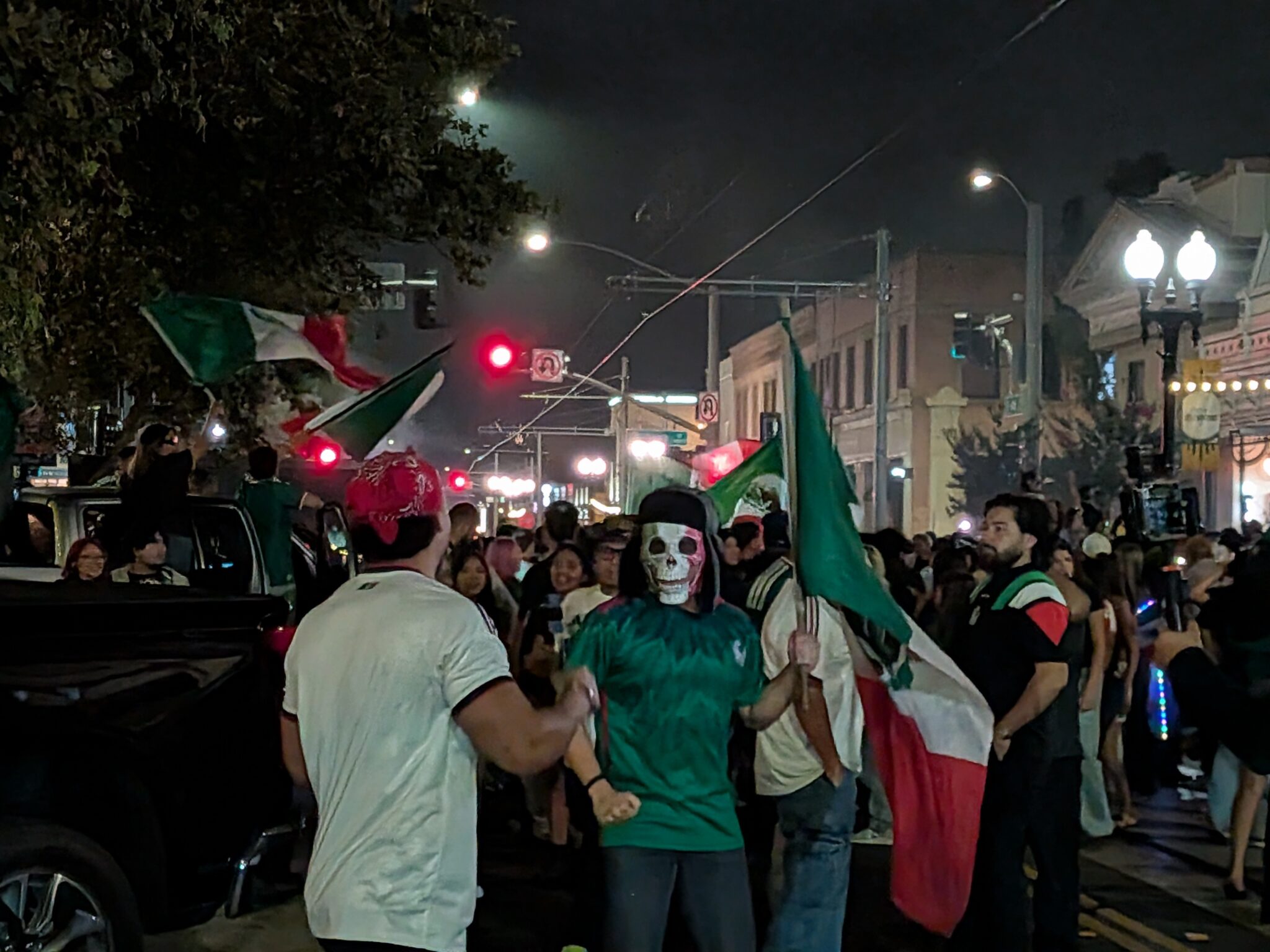
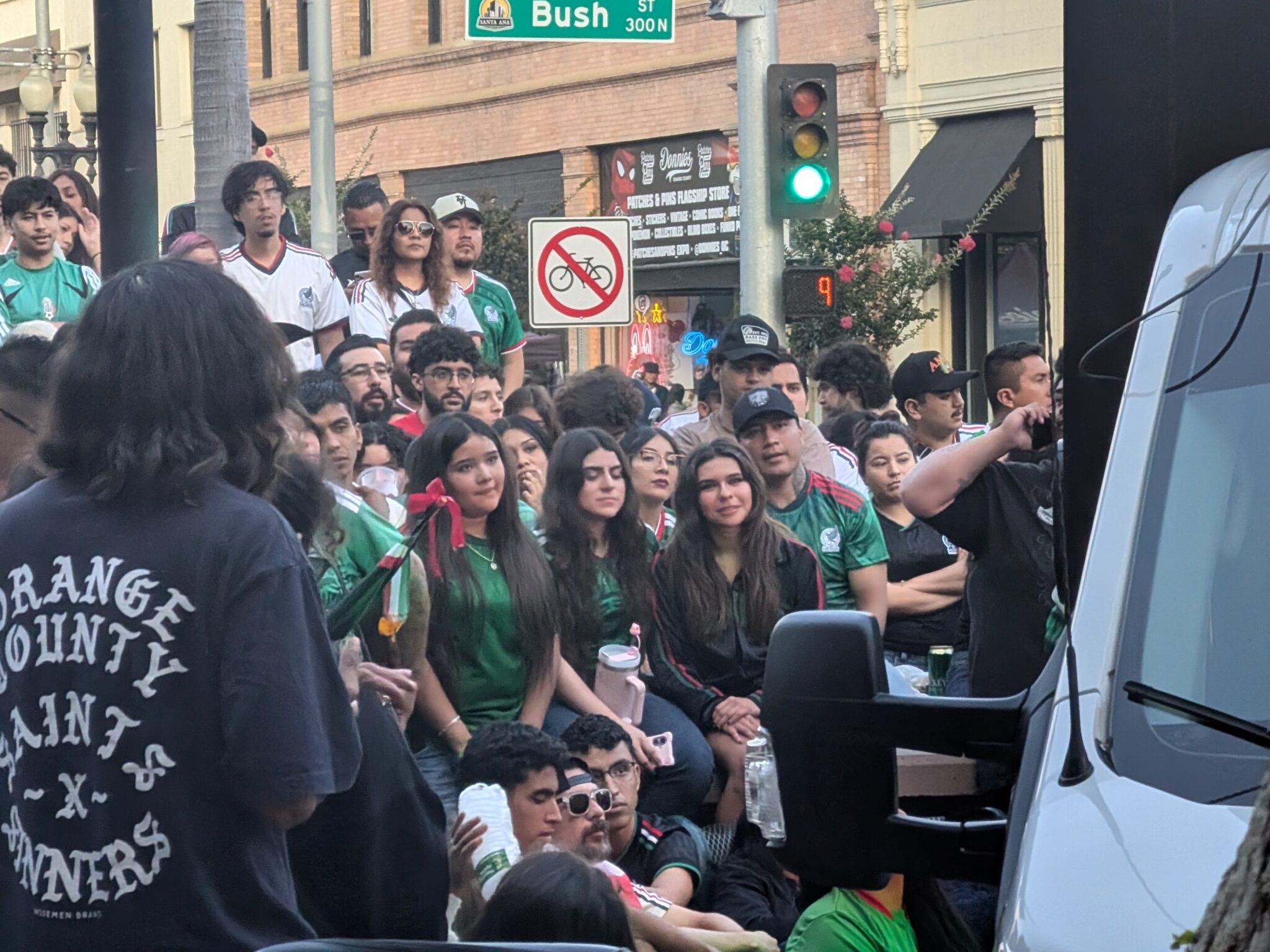
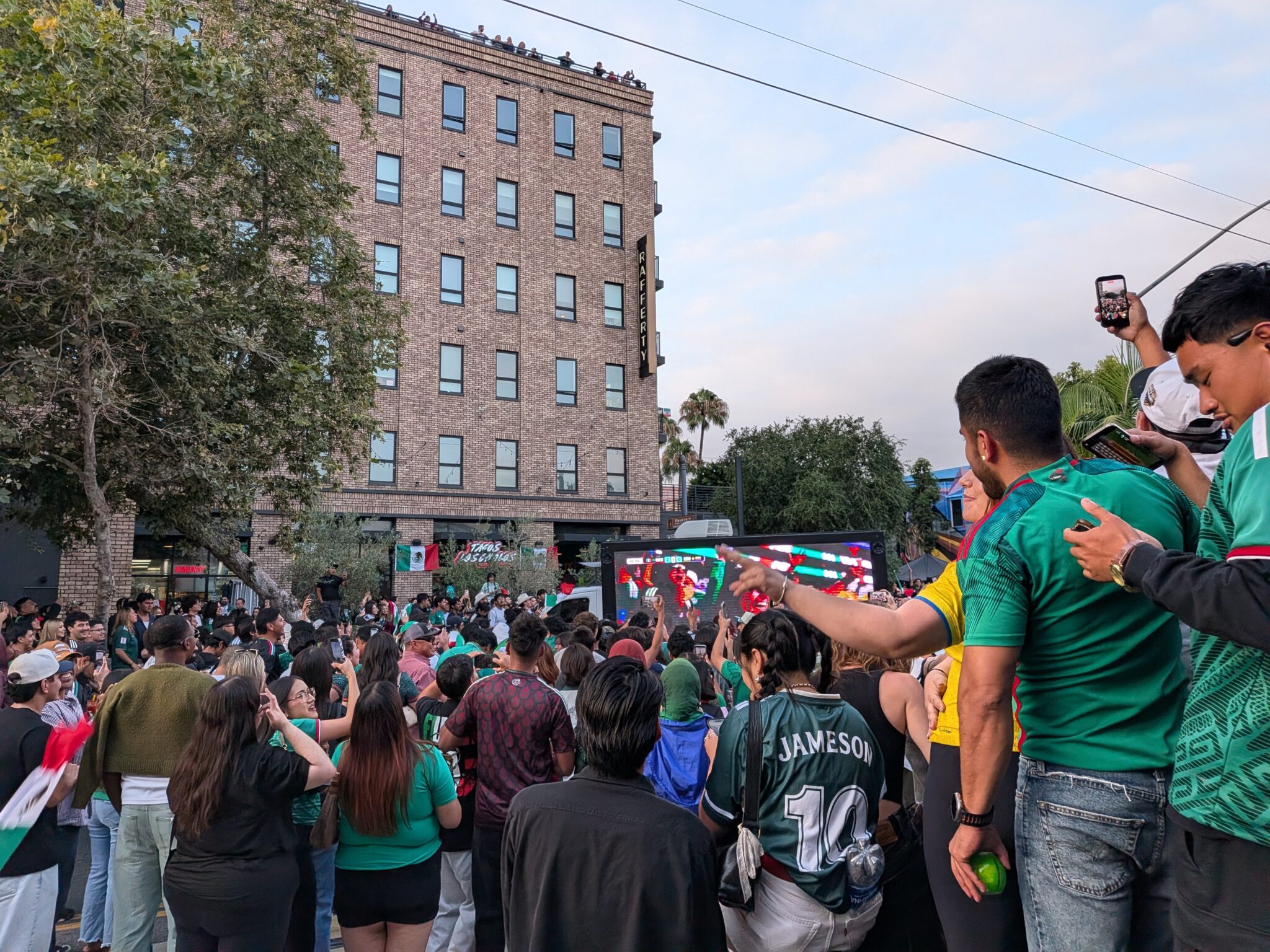
During the summer of 2026, the FIFA World Cup was hosted in North America by three countries: Canada, Mexico, and the United States. The soccer tournament generated massive buzz in the U.S., with particular excitement among the Mexican community in Orange County, as the Mexican team reached the round of 16 before losing to England.
“It goes way back, ever since I was like really little”, Jesus Santos, a Mexican team fan, said when discussing the significance of the games. “Since I am an undocumented person, it means a lot to me. I want my country to thrive and go further than we would have before, which is why I think it’s a big reason for the noise here in the community of Santa Ana”.

By the time this article was published, Spain had been declared the winner of the 2026 FIFA World Cup.
What the celebrations, watch parties at bars, and passionate sports debates signify is just how eager and excited Orange County is about international sporting events. Now, with the 2028 LA Summer Olympics just around the corner, is Orange County doing enough to position itself as an international sports hub?
Jayne Herring, President and CEO of the World Affairs Council of Orange County, has been espousing the sentiment that the county is not doing enough.
“While it is already a problem that Orange County leadership has waited this long to prepare, at least we should be harnessing this World Cup momentum,” Herring said. “There is beautiful citizen diplomacy happening across this country, with communities adopting fans from around the world, and yet outside of Santa Ana it was as if it wasn’t happening in our region. What a lost opportunity!”
Herring is frustrated by the lack of recognition of long-term economic benefits that can be generated by international engagement and coordination on the county level. She argues that the lack of FIFA engagement in OC is a missed opportunity to attract foreign investors and sports delegates, which would generate financial benefits and boost the country’s cultural power for years or even decades to come.
These feelings expressed by Herring are similar to those of the Executive Director of the Orange County Sports Commission (OCSC). Anthony Brenneman expressed this in terms of improving Orange County’s ability to become an international sports hub.
“Orange County is really its own identity, own brand, own market in a lot of different ways”, Brenneman said. “We have all the right tools, we have all the right ingredients out here; it’s just we have to figure out what cake we want to bake at the end of the day”.
The OCSC is a 501 (c) (3) nonprofit founded in 2019 whose mission is to “enhance the economic, social, and cultural vitality of Orange County communities through sports”, as explained on their website.
Their three pillars for their platform include economic, social, and cultural, which act as guiding visions to help bring in and plan major sporting events in Orange County, so sports and sports diplomacy can thrive in the county.
A common theme among critiques of the county’s ability to organize effective international sports engagements is decentralization.
Brenneman explained that the U.S. is the only country in the world without a ministry of sport, culture, and tourism, which inevitably forces local jurisdictions to fill that gap.
In Orange County, that gap is notoriously hard to fill cooperatively due to local cities clashing, turning any potential county-level organizing into a hot mess. For instance, Brenneman explains that cities collect more sales tax than the county, so the county ends up pointing to the local cities and telling them they should pay for initiatives, such as international events.
This structure has incentivized a decentralized approach to county-level organizing, making it much harder to capture the benefits of coordinated sports engagement.
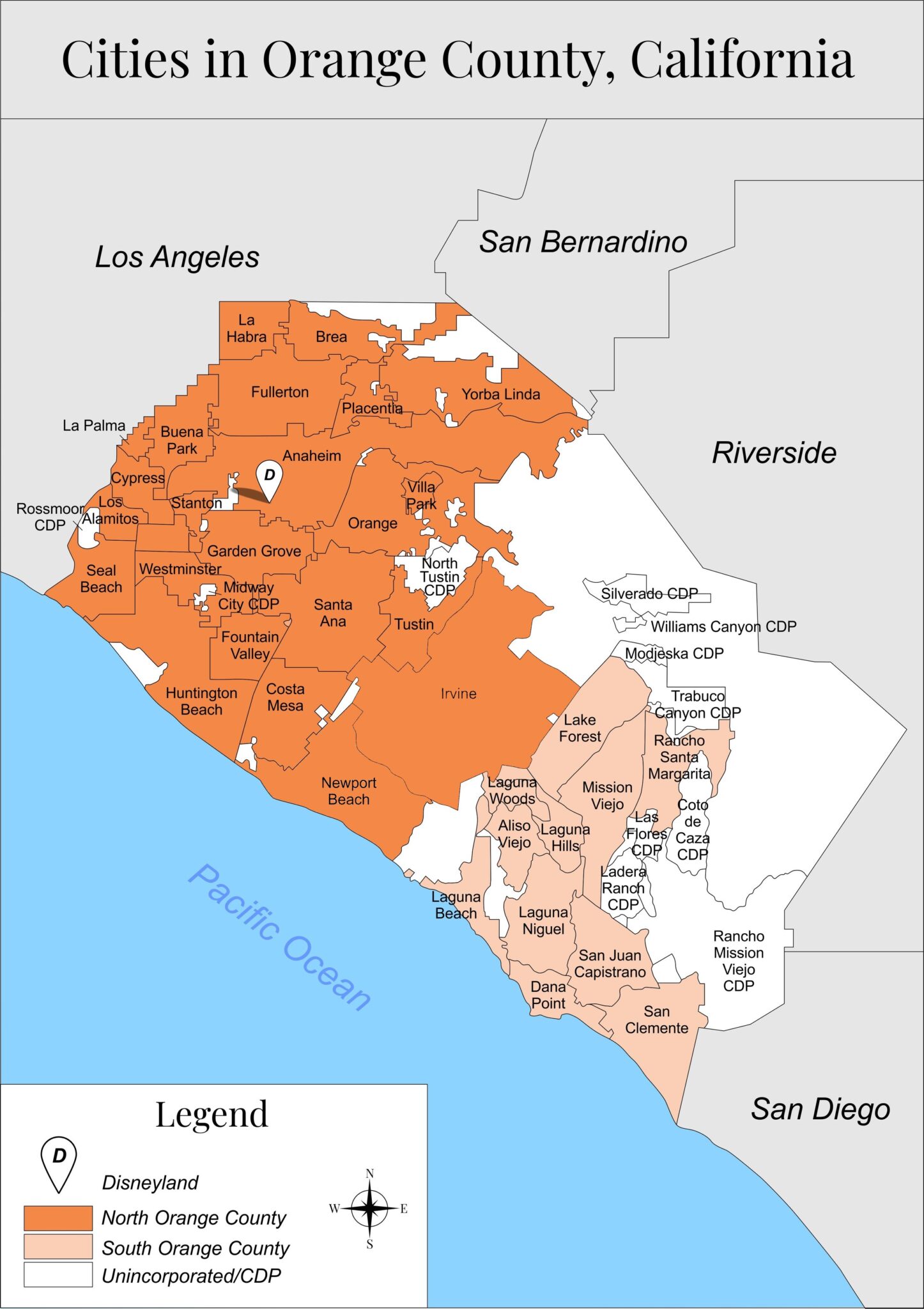
“Instead of creating a huge net to catch everything on the county level, we’ve created 34 different smaller nets (cities)”, Brenneman said. “It’s a lot harder to catch a fish in 34 different smaller nets than it is in one giant net that’s going to cover everything”.
Despite the frustration from decentralization, Brenneman and the OCSC see an opportunity on the horizon. LA 2028 Summer Olympics.
The Summer Olympics in LA will spill over into Orange County, with volleyball planned to be hosted at the Honda Center in Anaheim and surfing near San Clemente at Trestle State Beach. Coupled with our proximity to LA, these games will involve OC in one form or another, whether the county is ready or not.
That is the hope for Brenneman and the OCSC, who wish to use LA28 as a springboard to finally address the county government’s lack of an organized approach to sports engagement and unify the local jurisdictions through sports, which he sees as a great unifier.
“If we’re able to use a big event like that to bring people together, to show them the power of sports and community, those results may show them this is why they need to be a part of this”, Brenneman said. “Is it going to solve everything? No, but it can lead to a door-opening opportunity”.
While money talk is what usually gets these types of conversations started amongst county officials, one element of sports diplomacy that is often overlooked is the human connection and goodwill.
“Sport is like a human identity in a lot of different ways,” Brenneman said. “It’s like a way to break bread with your brothers and sisters from next door, and bring people together”.
Amanda, a local political organizer in the county, believes sporting events can help generate pride in a community’s identity. “It creates a lot of excitement and pride in your culture”, Amanda said. “I think it really brings communities together, which is something that we really need currently”.
Her political work within the county, particularly among the Hispanic community, has shown her how a sporting event like FIFA can bring people together and spark conversations beyond sports that affect these communities in places like Santa Ana.
Brenneman shares similar sentiments regarding the cultural and human aspect of sports.
“Maybe you bring in a new sport, new group of people, a new culture that might be traveling for an event that you’re hosting or a watch party that you’re watching”, Brenneman said. “We’re trying to elevate and bring to light why those three dimensions are important to our community overall”.
As Orange County looks ahead to the opportunities presented by the 2028 Los Angeles Olympics, the challenge is no longer recognizing the region’s potential–it is deciding whether local leaders will work together to realize it.
The World Affairs Council of Orange County believes the expertise to make that happen already exists within the community. Its diverse membership includes professionals and former public servants with a drive for international connectedness.
Which is why, by bringing decades of global experience, the Council wishes to connect these individuals with local governments, businesses, and community organizations to help strengthen its international engagement, foster citizen diplomacy, and position itself as a globally connected region.
“I know we are 34 cities that don’t like to work together, but the resources are available if we can figure this out,” Herring said. “Our membership alone speaks over 27 languages fluently, includes former U.S. State and Commerce Department officials, diplomats, United Nations employees, and humanitarian aid workers with experience around the globe, all right here in Orange County. A coordinated effort will be essential for embracing the next big opportunity!”