orangecounty@worldaffairscouncil.org

history

Buffalo Soldier Spotlight:

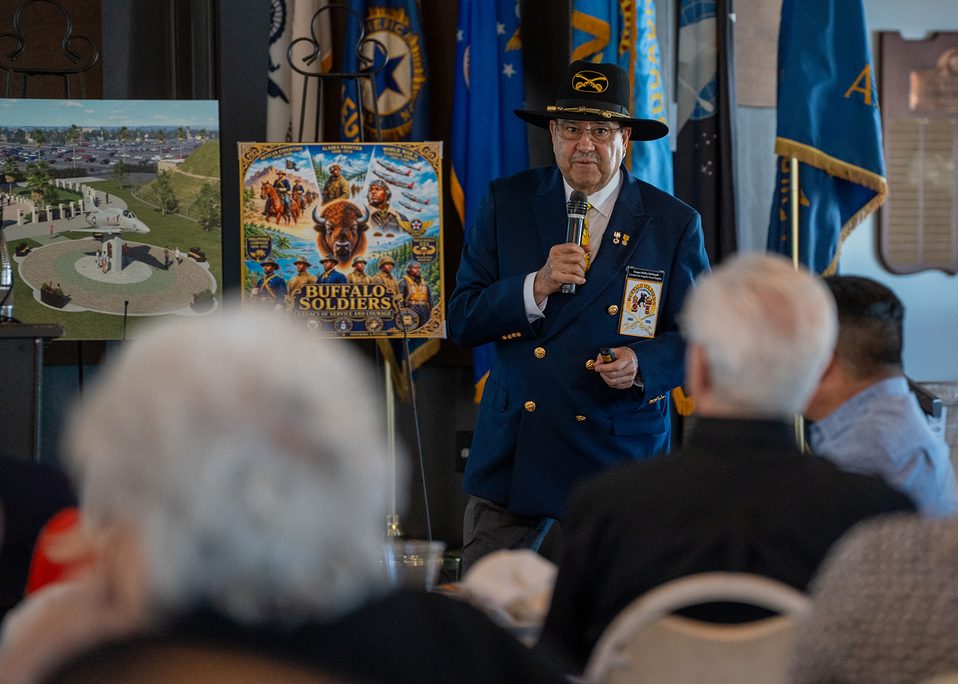
On Friday, November 6, 2026, the World Affairs Council of Orange County is hosting its Annual Honoring Veterans Program at American Legion Post 291 in Newport Beach. This year, we are proud to honor Black Veterans with our guest speaker, Bobby McDonald.

The Black veterans known as “Buffalo Soldiers” are an integral part of the United States military and African-American history. To celebrate this year’s Honoring Veterans program, here is a spotlight on this fascinating aspect of American history.

Origins and Formation:

According to the Smithsonian National Museum of African American History and Culture, the term “Buffalo Soldiers” was coined by Native Americans because the soldiers’ dark, curly hair resembled a buffalo’s mane, or because of their fierce fighting style, which reminded tribes of the Great Plains buffalo.

The first prominent use of Buffalo Soldiers occurred after the American Civil War, when over 180,000 African American troops served in the U.S. Colored Troops. The famous nickname that Native Americans bestowed became a source of pride, and the name eventually came to encompass all-Black Army units until the military desegregated after World War II.
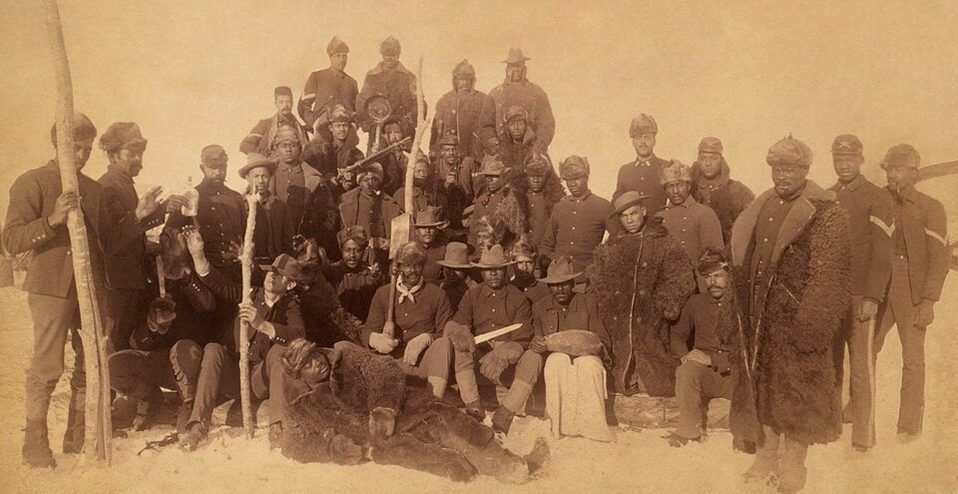
Photo of Buffalo Soldiers in Wyoming. Photo by BLMUtah/Wikimedia Commons.

Western Expansion:

Continuing to one of their most famous portrayals, the Buffalo Soldiers would play a central role in the U.S. Western expansion across much of the Southwest and Great Plains. Assigned mostly to dangerous duties in unfamiliar territory, Buffalo Soldiers would serve as guards for convoys and post carriers while assisting with the construction of roads and other infrastructure.

Buffalo Soldiers would often battle with Native American tribes such as the Apache. A notable conflict occurred in 1879 during the Ute War in Colorado, where, according to the Smithsonian, Private Henry Johnson of Company D earned the Medal of Honor for risking his life to bring water to downed soldiers. 
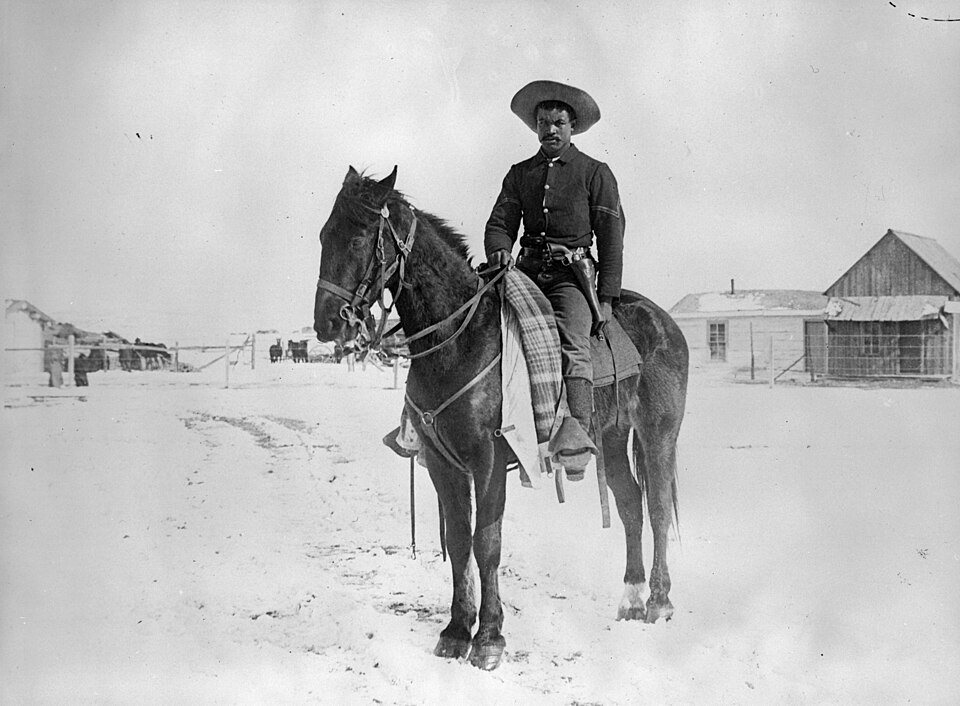
Photo of a Buffalo Soldier on a horse in the snow. Denver Public Library/Wikimedia Commons.

Complex Legacy and Historical Impact:

Despite their valor, the legacy of Buffalo Soldiers is complex and bittersweet. While Buffalo Soldiers symbolized significant triumph and breaking of societal barriers in racial dynamics, returning Black soldiers were confronted with persistent and severe discrimination and racial violence. 

A theme emerged: despite demonstrating long, hard military sacrifice, equality and the full benefits of citizenship were not achieved.

Today, the sacrifices and cultural contributions of Buffalo Soldiers are evident in the U.S. military and culture, especially in media such as movies and songs like Bob Marley’s “Buffalo Soldier.” Just like the Black soldiers known as Buffalo Soldiers, their legacy of strength and resilience lives on.

Special Thanks to the Smithsonian’s National Museum of African American History & Culture and the Wounded Warrior Project for their research and sources on Buffalo Soldiers.
Read more

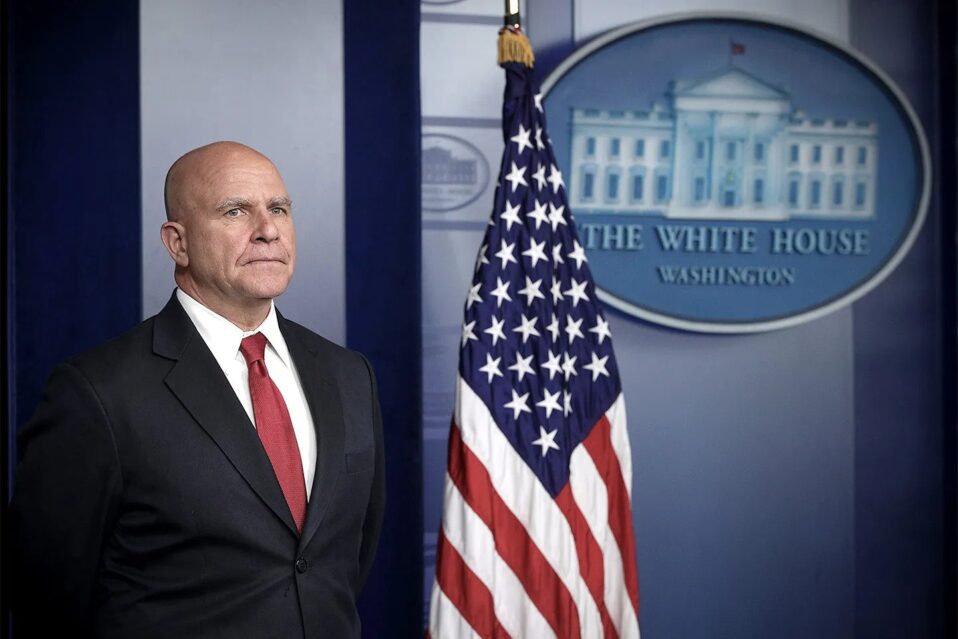
LTG H.R. McMaster (Ret.): Qualified for Duty

Who is LTG H.R. McMaster (Ret.)?

Lieutenant General H.R. McMaster (R.) (Herbert Raymond) was born in Philadelphia on July 24, 1962. Upon graduation from the US Military Academy at West Point in 1984, McMaster served as a commissioned officer in the US Army for thirty-four years. McMaster obtained a Ph.D. in military history from the University of North Carolina at Chapel Hill and later became an assistant professor of history at the US Military Academy. He is known for his roles in the Gulf War, Operation Enduring Freedom, and Operation Iraqi Freedom. 

What is LTG H.R. McMaster (Ret.) qualified for and why? 

On February 20, 2017, U.S. President Donald Trump nominated McMaster for National Security Advisor following the resignation of Michael T. Flynn on February 13. When he was nominated, McMaster was to remain in active duty while serving as the National Security Advisor. Some people might have had their doubts about H.R. McMaster becoming National Security Advisor but his experience has shown that he is more than qualified. McMaster has served overseas as an advisor to the most senior commanders in the Middle East, Iraq, and Afghanistan. In Time’s list of the 100 most influential people in the world released in April 2014, McMasters was described to be “the architect of the future of the U.S. Army.” 

Throughout his years in the army, General McMaster maintained that despite his forward-thinking approach, his understanding of military history remained a huge influence on how he made future decisions. During the Gulf War in 1991, McMaster was a captain commanding Eagle Troop of the 2nd Armored Cavalry Regiment at the Battle of 73 Easting. Although his troop was significantly outnumbered, they encountered the enemy by surprise as McMaster’s lead tank crested a dip in the terrain, the nine tanks of his troop destroyed 28 Iraqi Republican Guard tanks without loss in 23 minutes. He has brought his knowledge to battle and has emerged victorious in countless situations. H.R. McMaster has also had a series of staff positions at U.S. Central Command (USCENTCOM), including planning and operations roles in Iraq. 

In July 2014, McMaster became Lieutenant General and pinned on his third star when he began his duties as Deputy Commanding General of the U.S. Army Training and Doctrine Command and Director of TRADOC’s Army Capabilities Integration Center. A few years later, H.R. McMaster retired as Lieutenant General in June 2018 following his resignation as National Security Advisor. Today, McMaster is the host of Battlegrounds: International Perspectives on

Crucial Challenges and Opportunities and is a regular on a video series called Goodfellows. He is also a Distinguished University Fellow at Arizona State University.

Written by: Events Intern, Anahi Aguirre

Read more